CONTOURS PRESENTS

Australian Open 2025

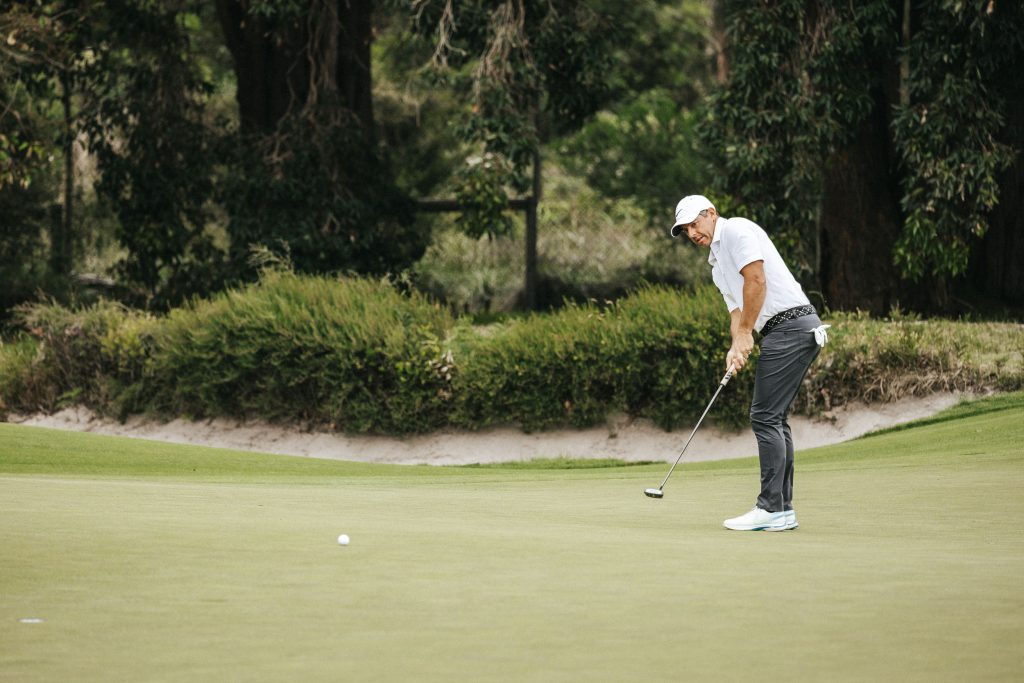
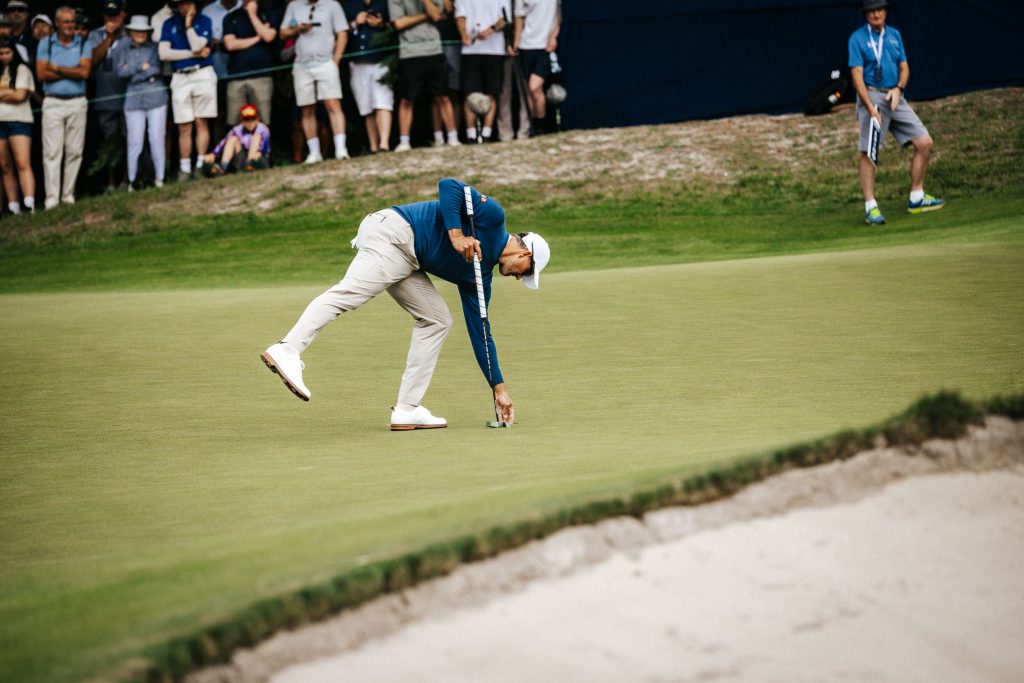
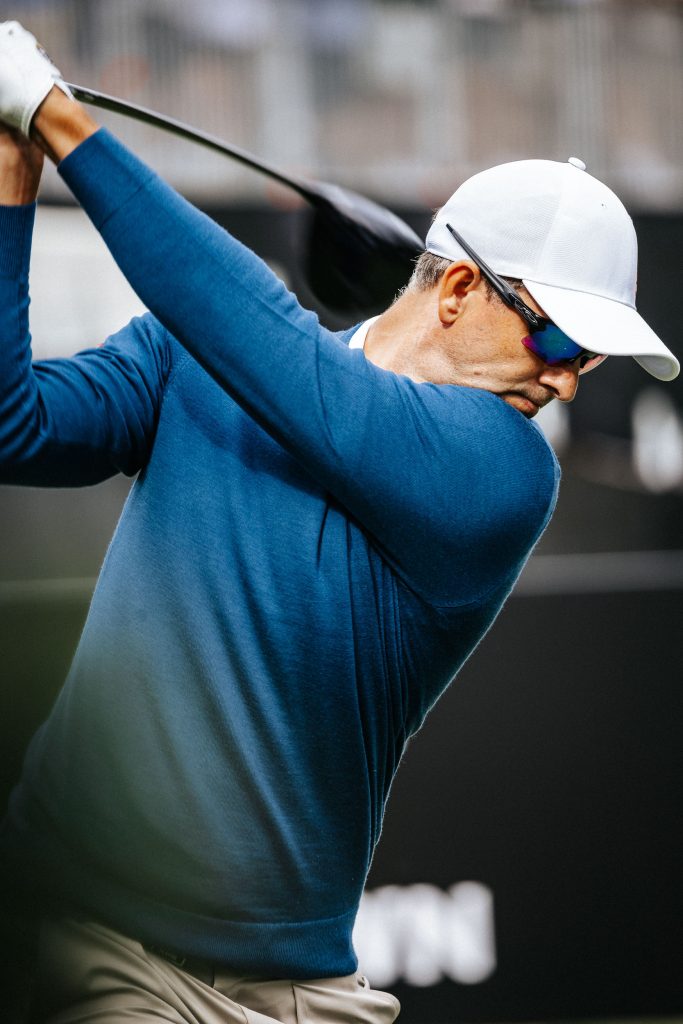
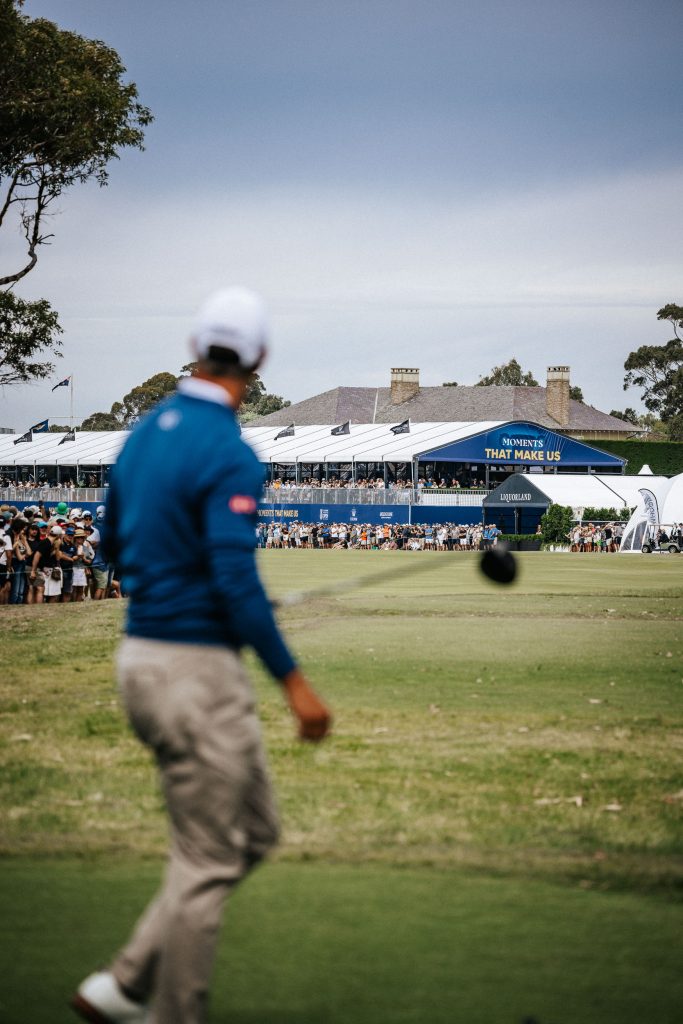
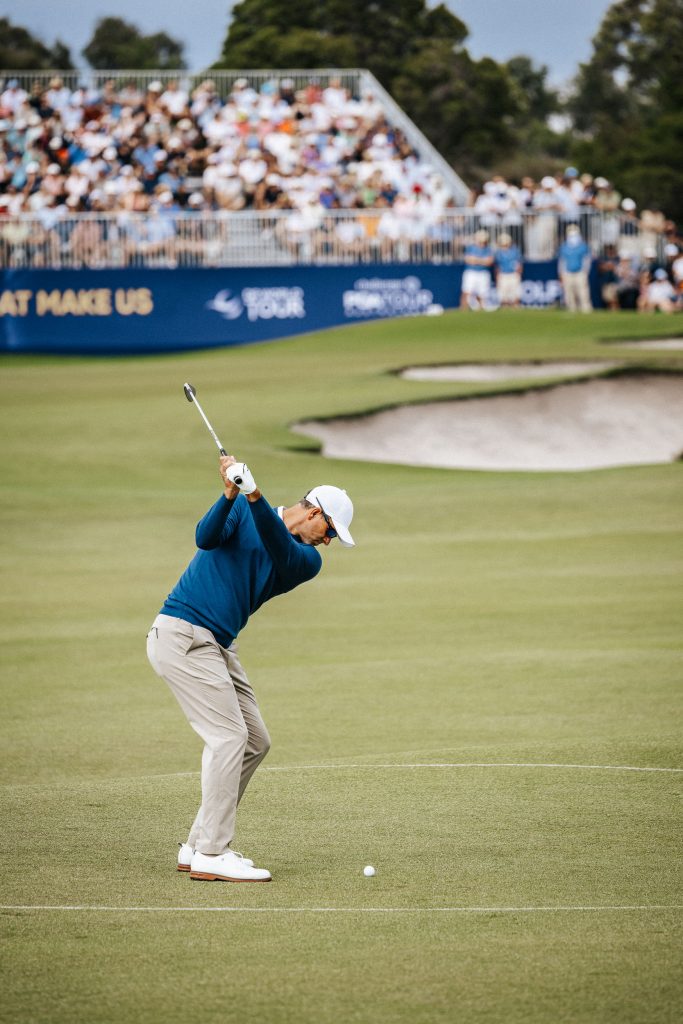
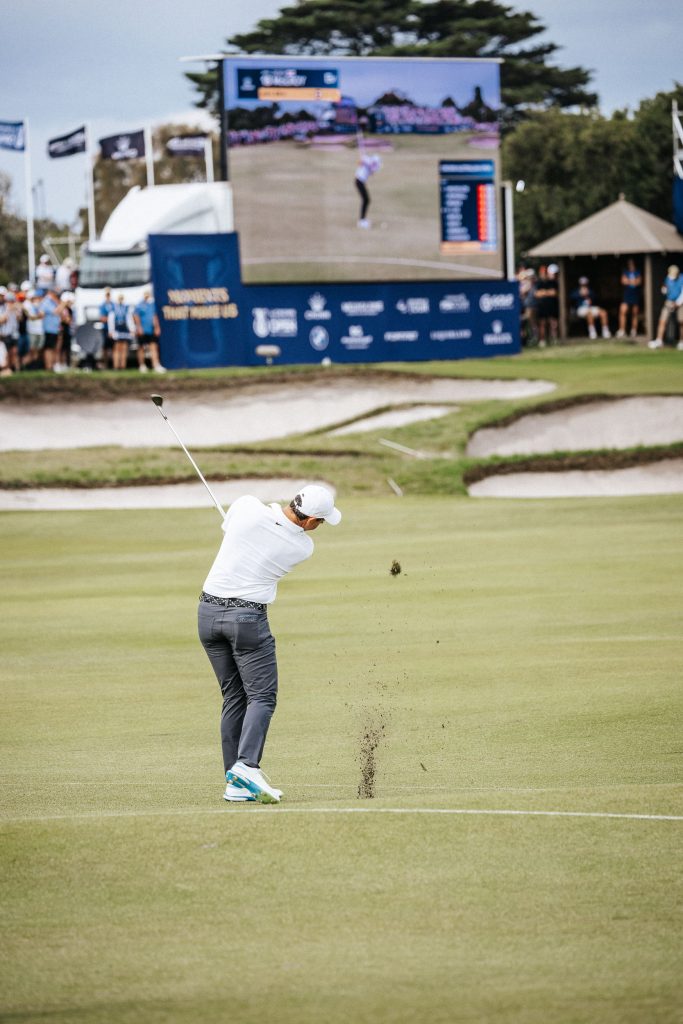
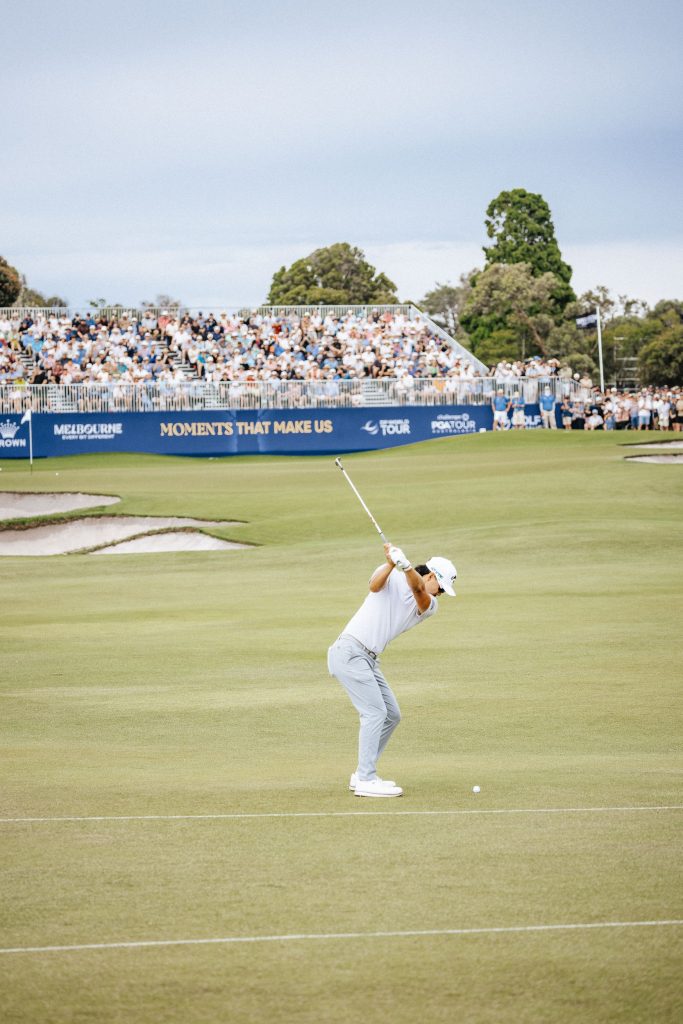
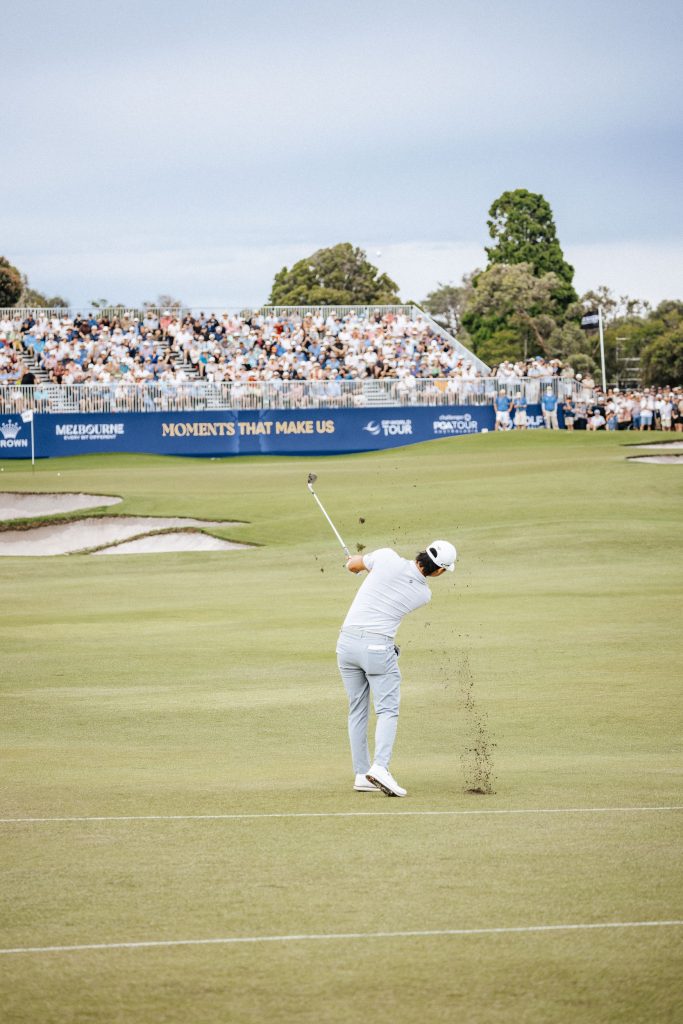
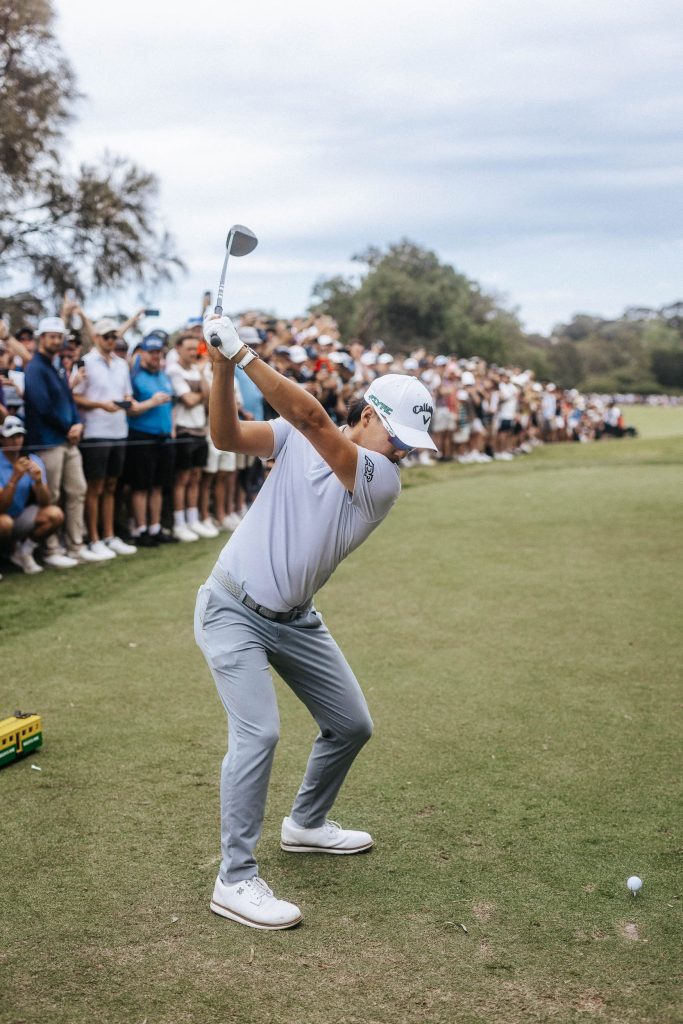
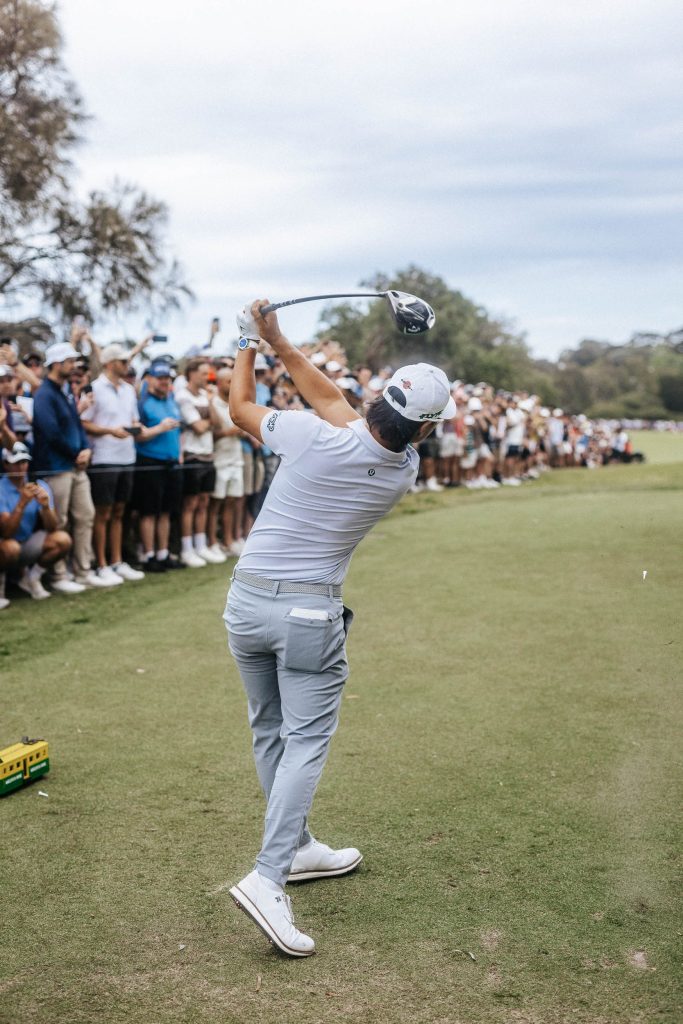
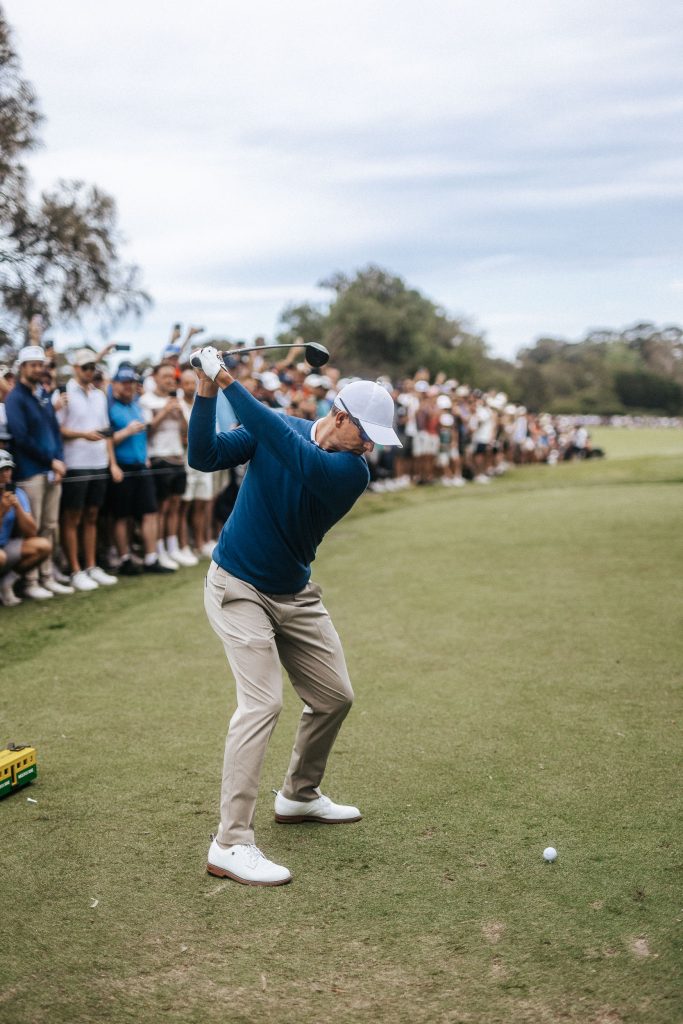
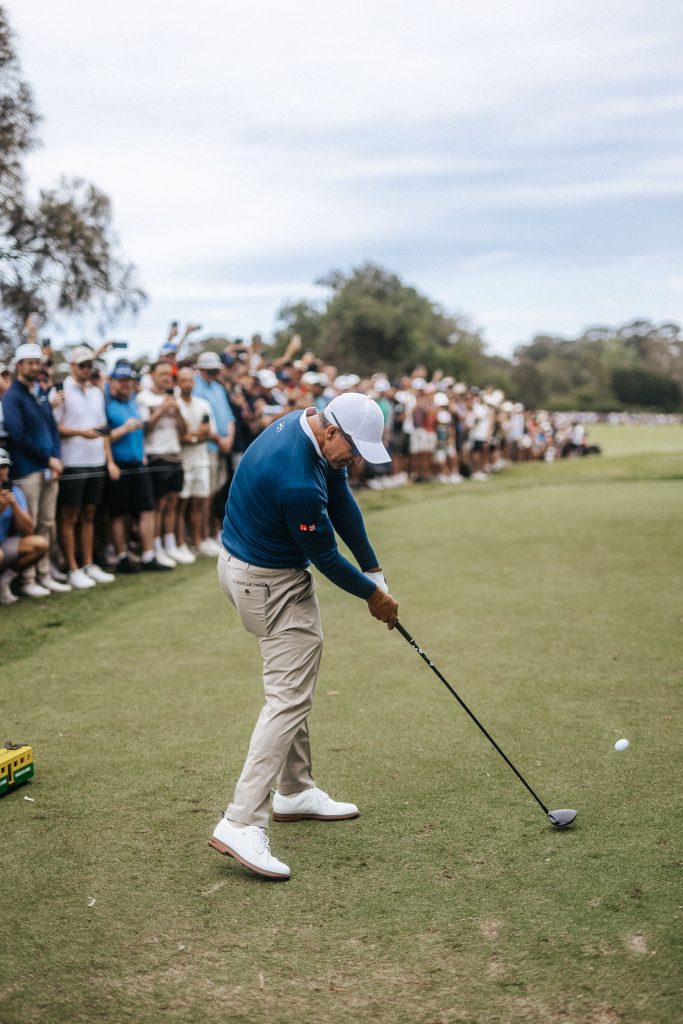
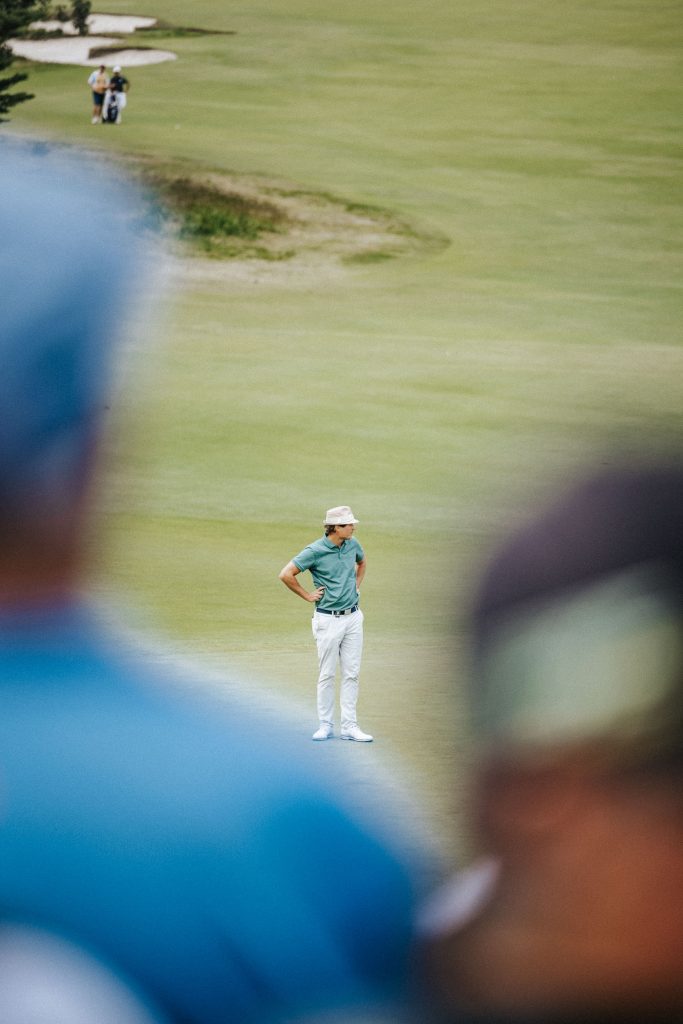
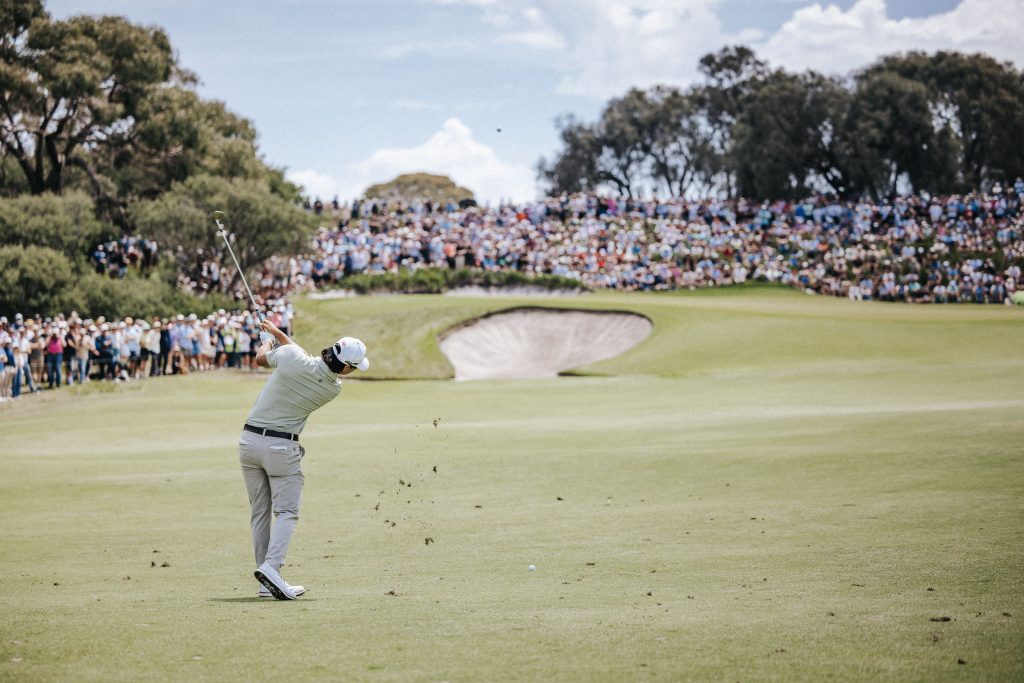
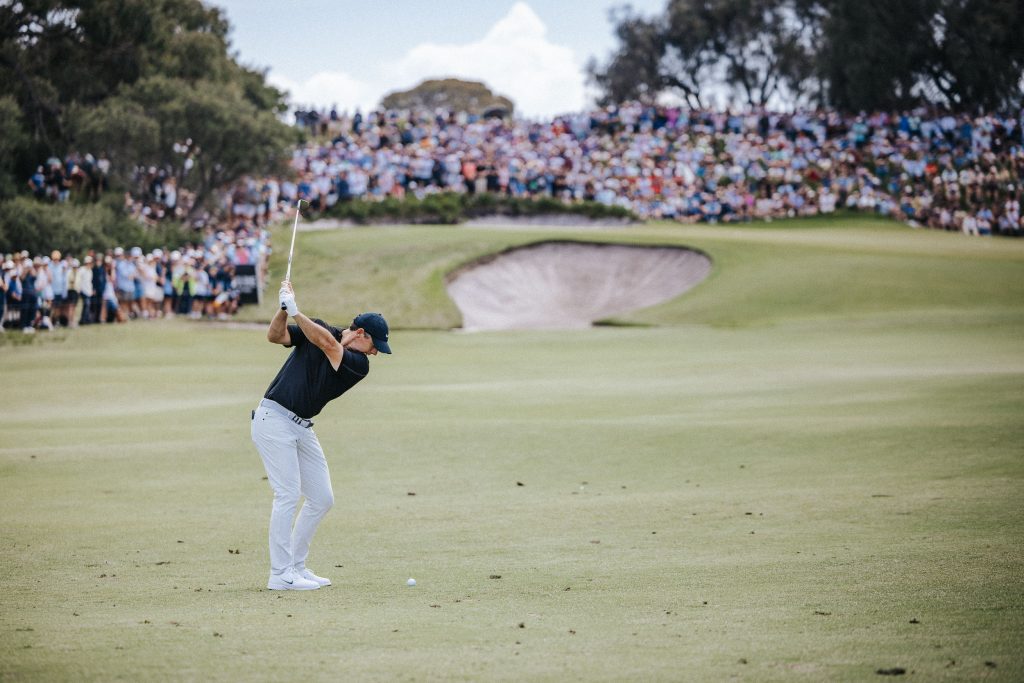
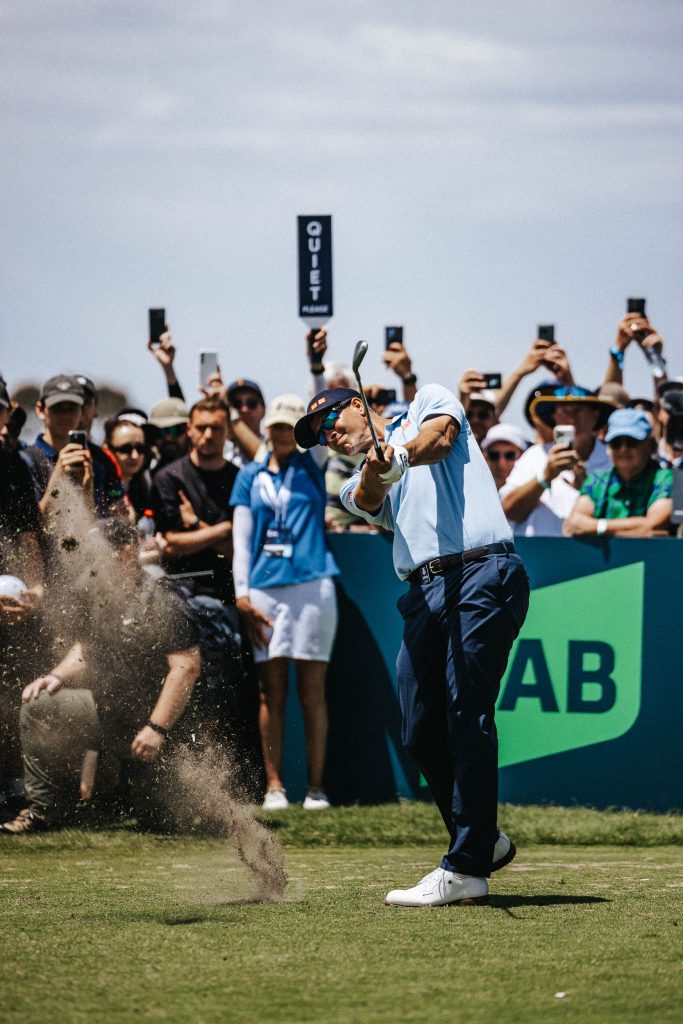
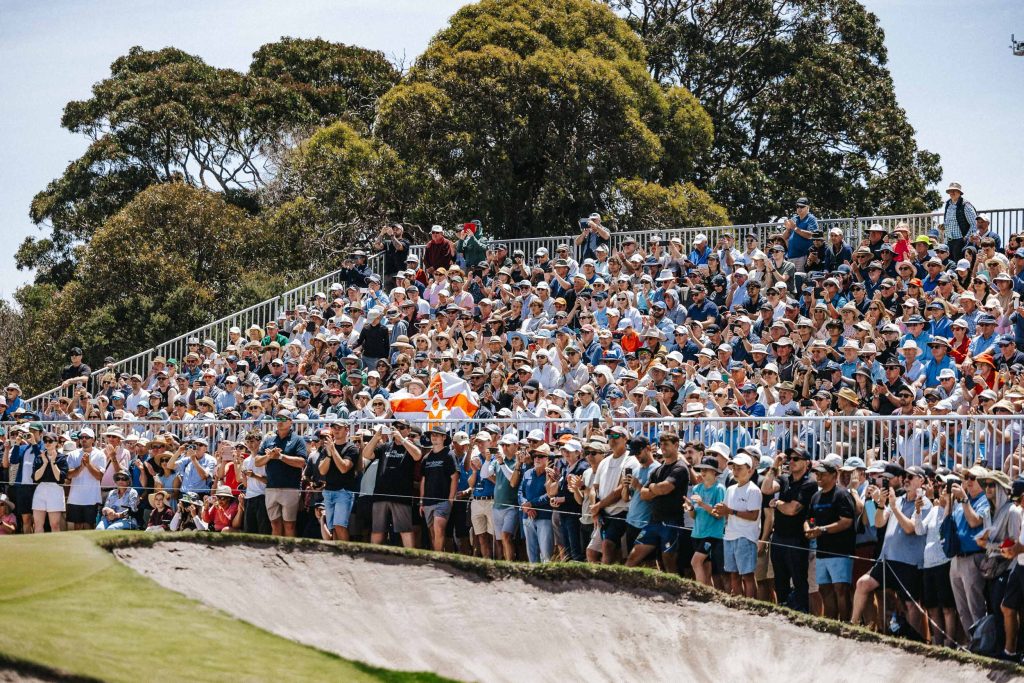
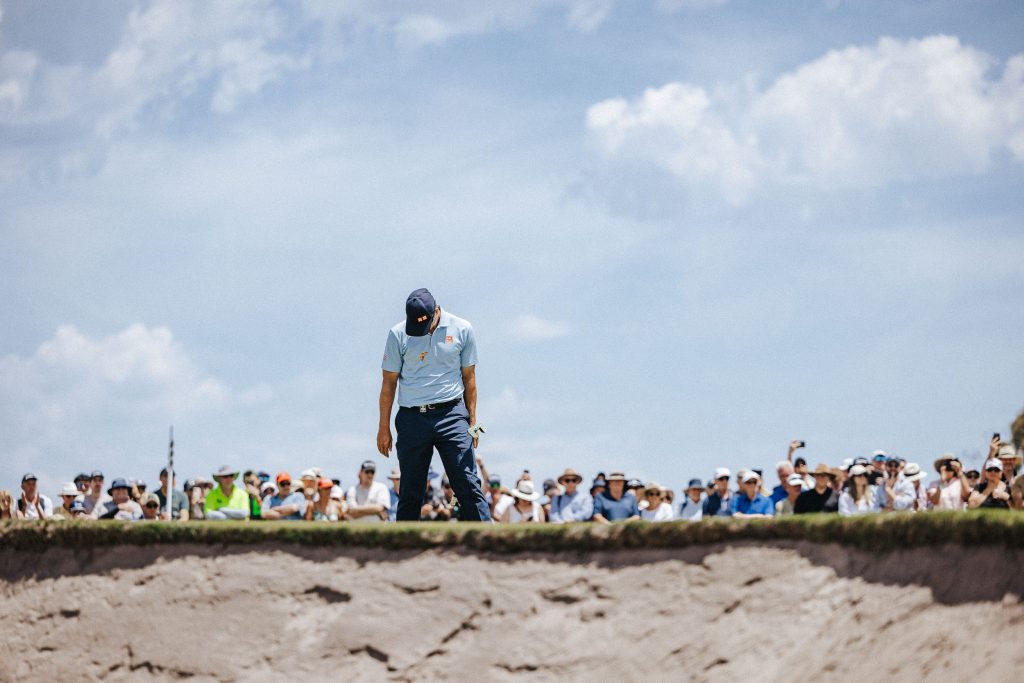
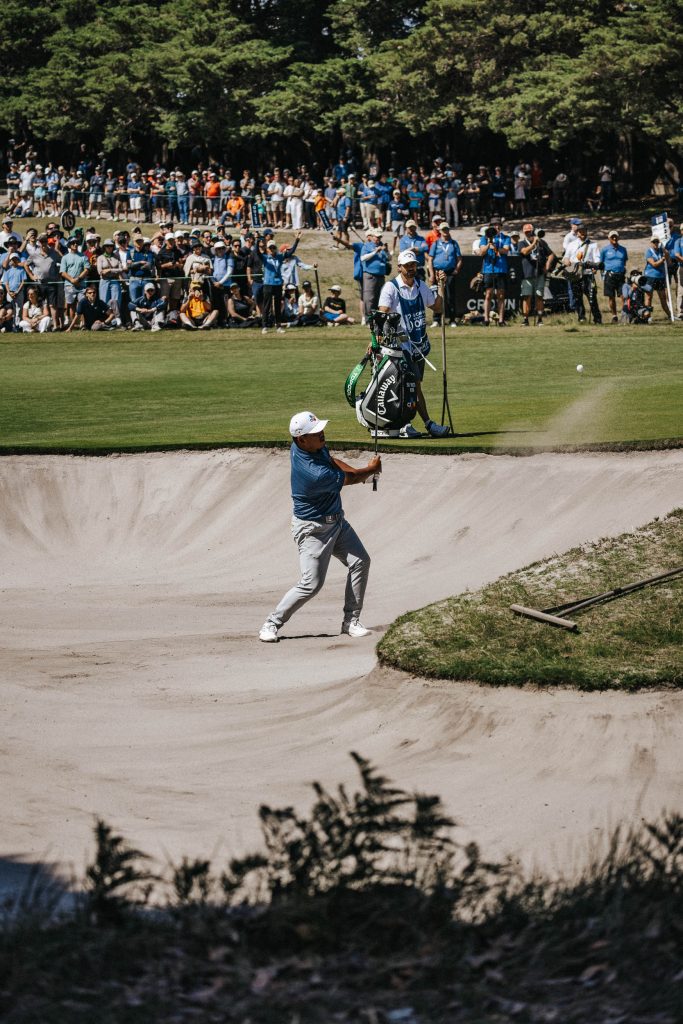
The Australian Open returned to Royal Melbourne with record crowds and the ‘Rory factor’ in play. I spent the week inside the ropes, re-learning the craft of tournament photography on some very familiar ground.
Written & Photographed by William Watt

BY WILLIAM WATT

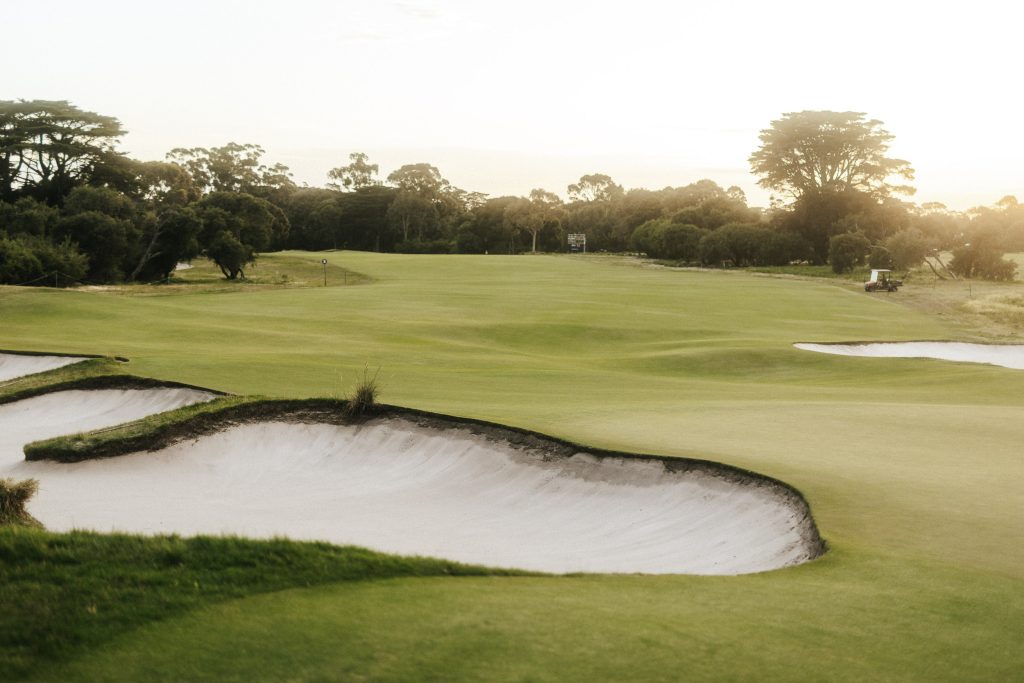
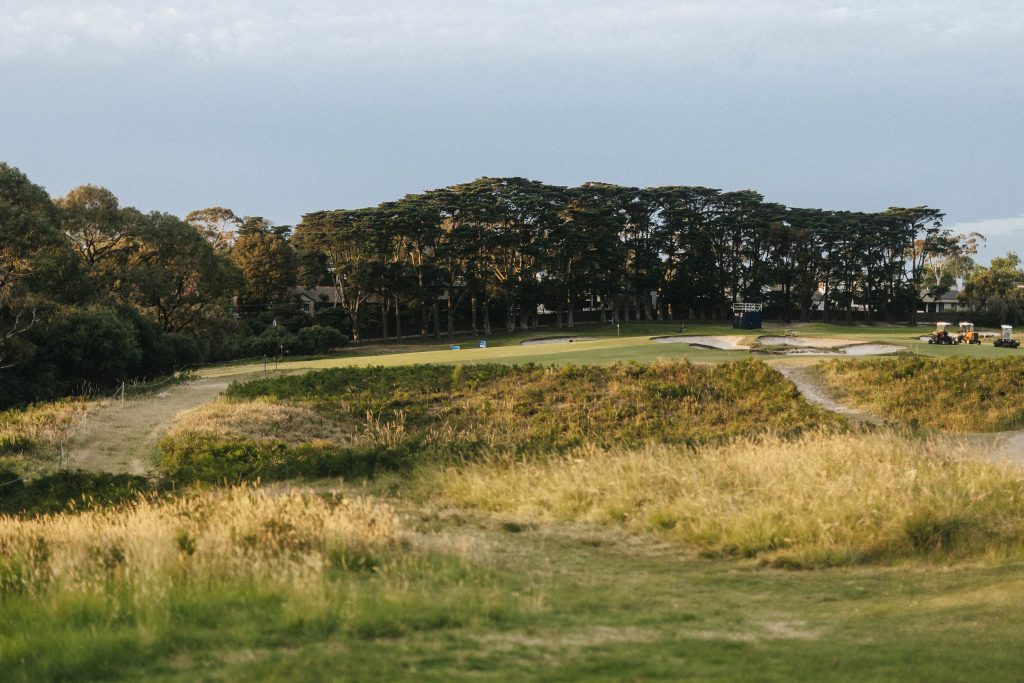
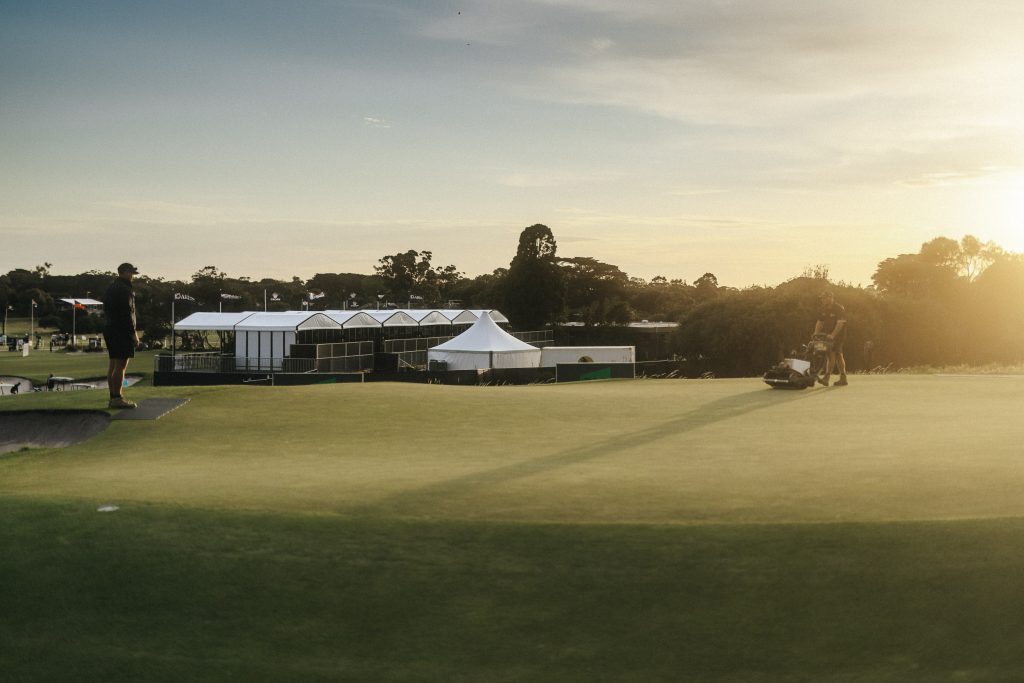
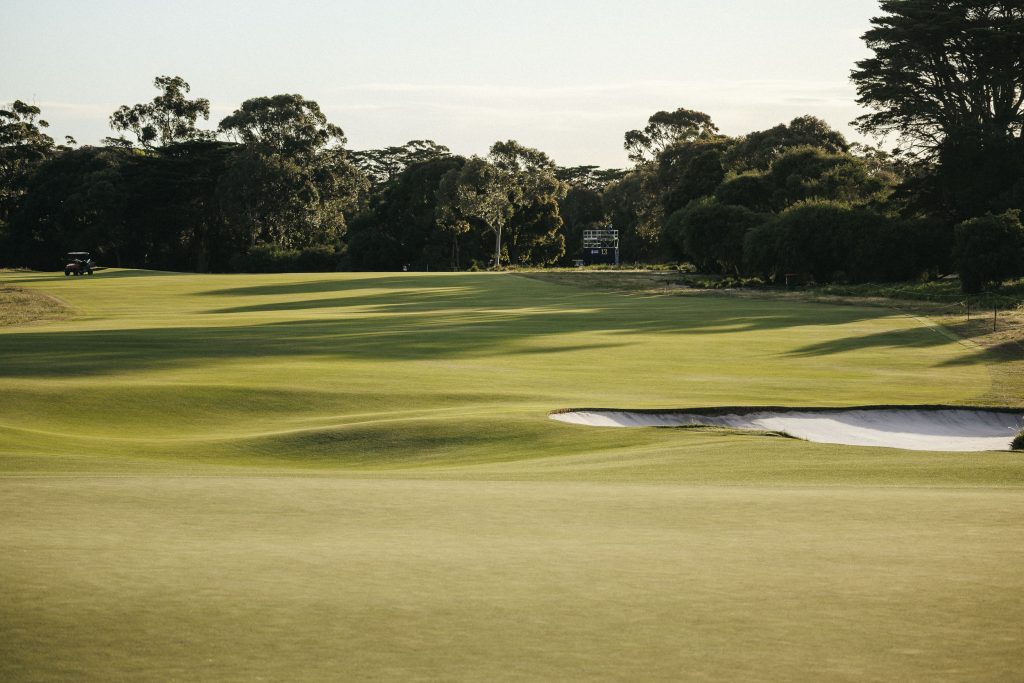
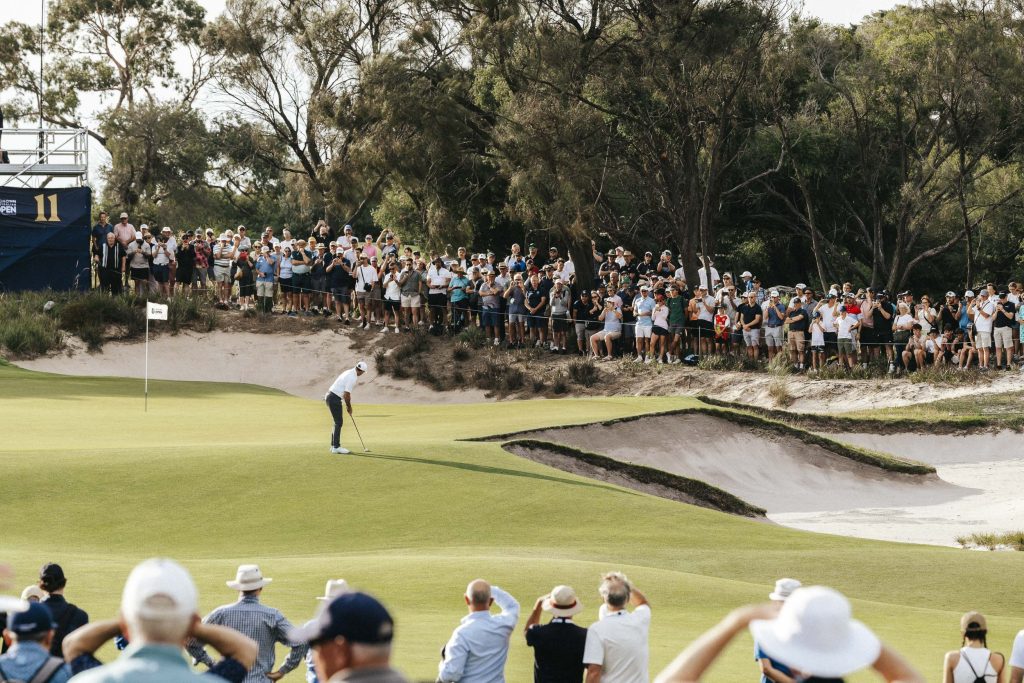
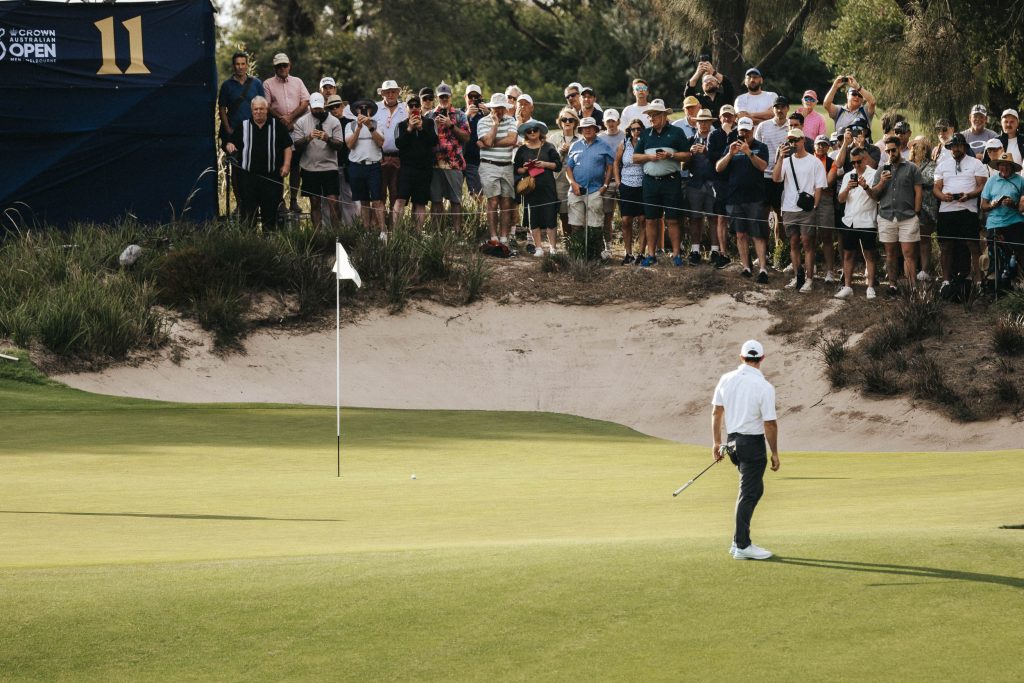
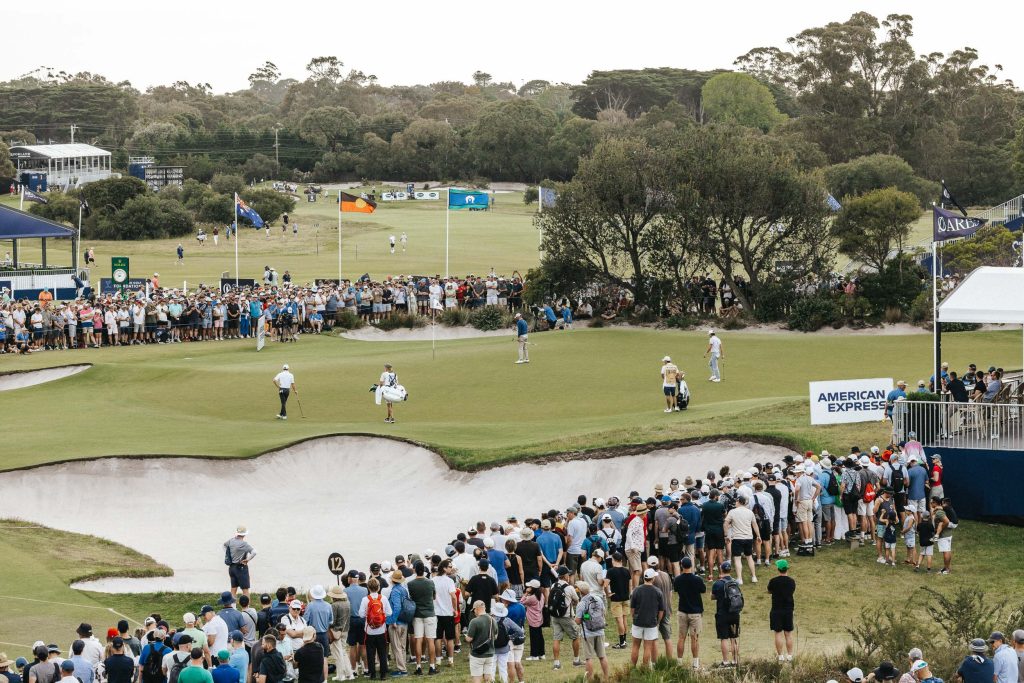
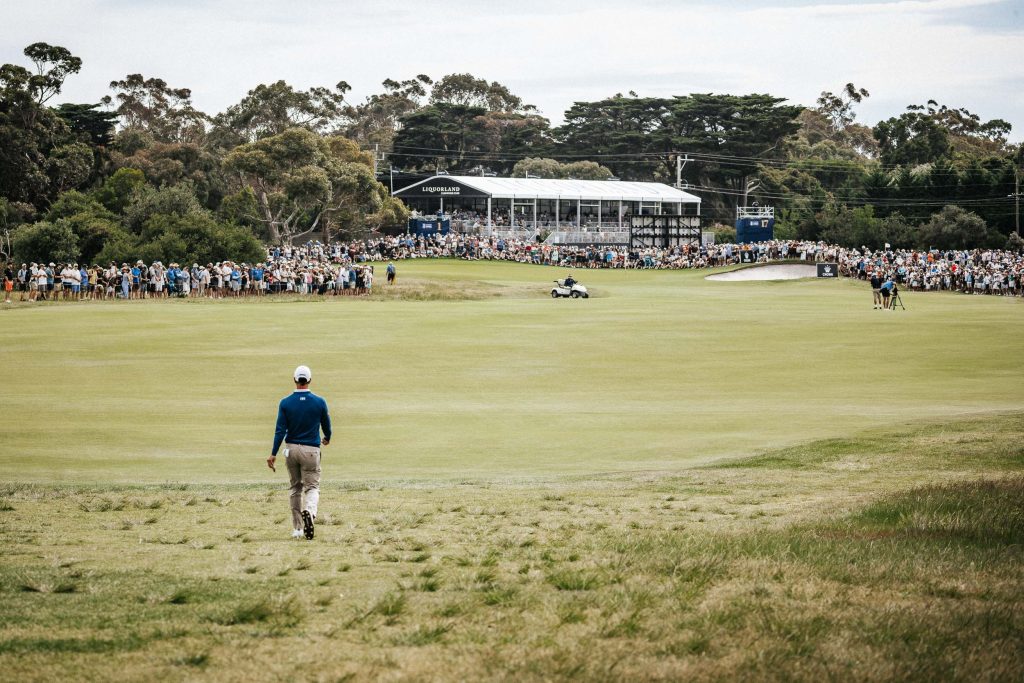
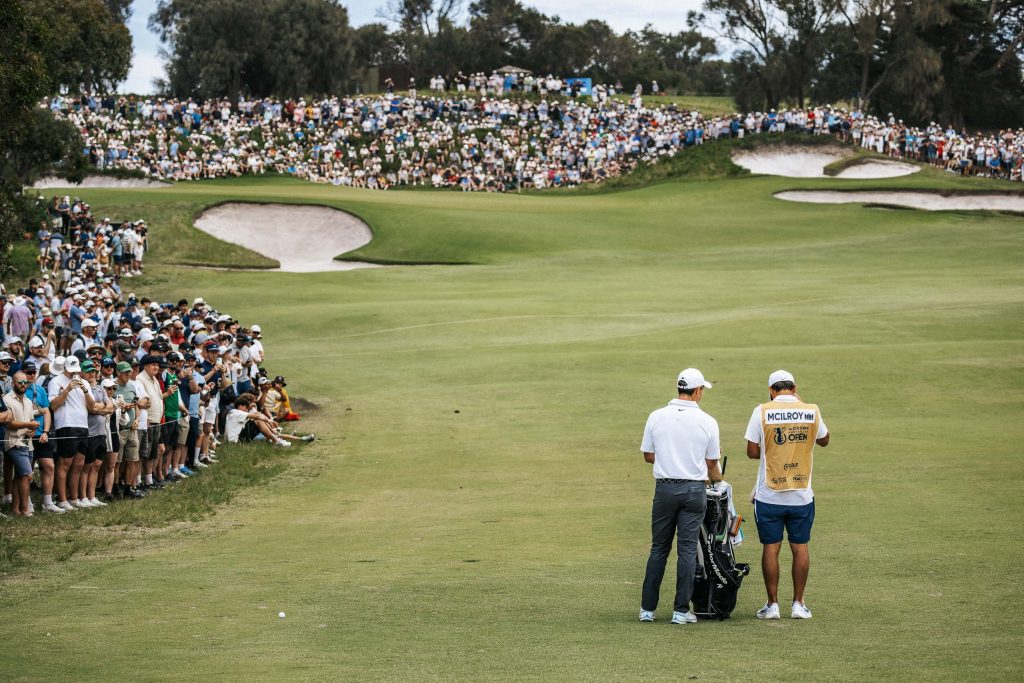
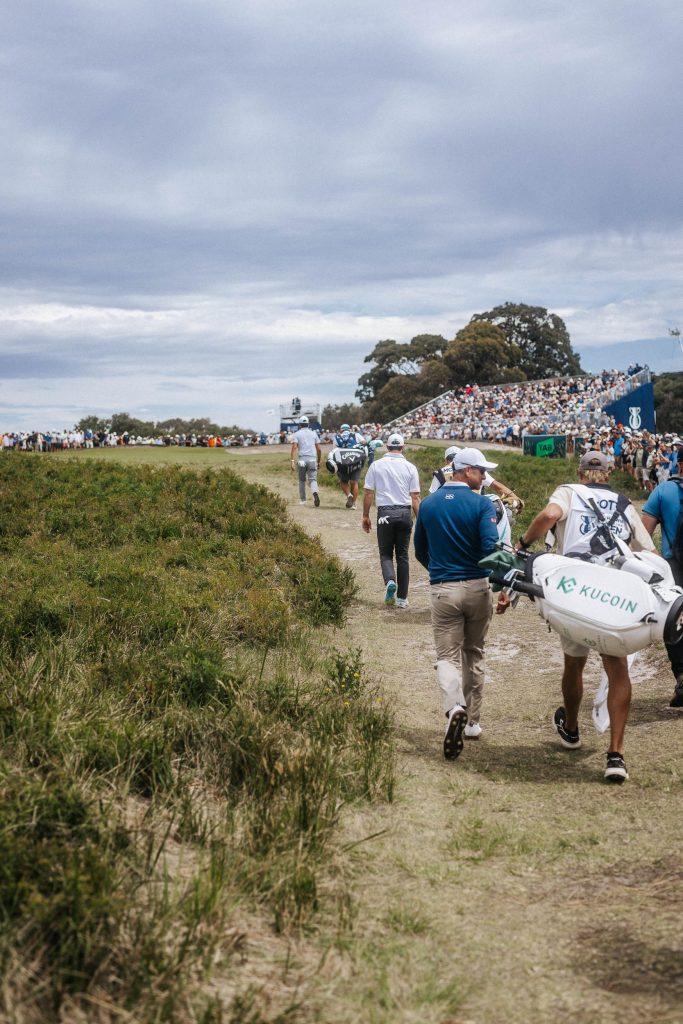
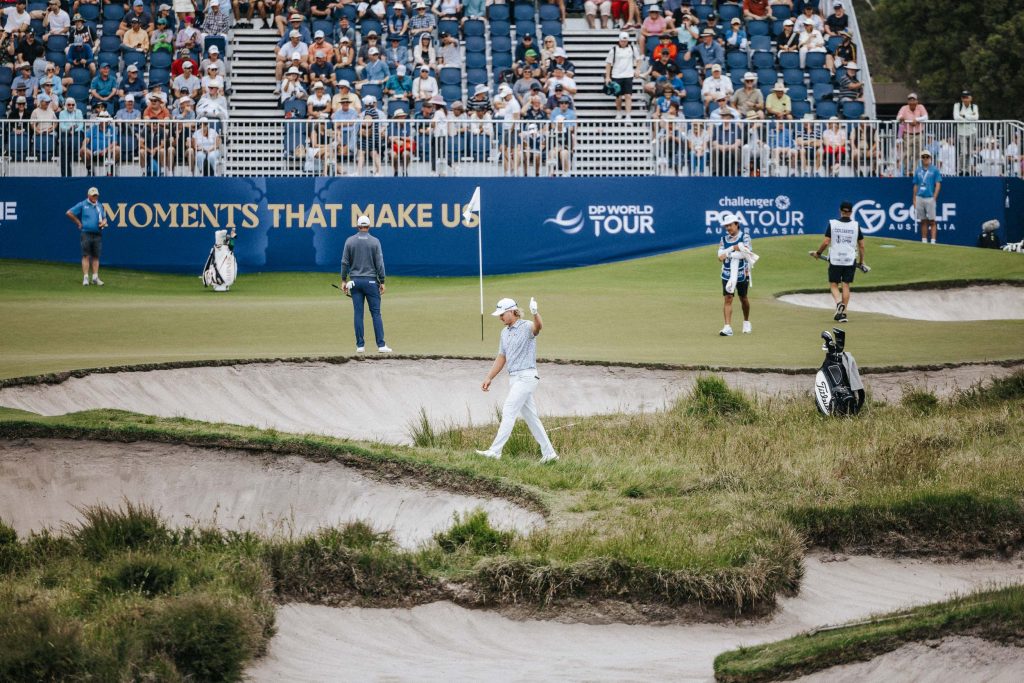
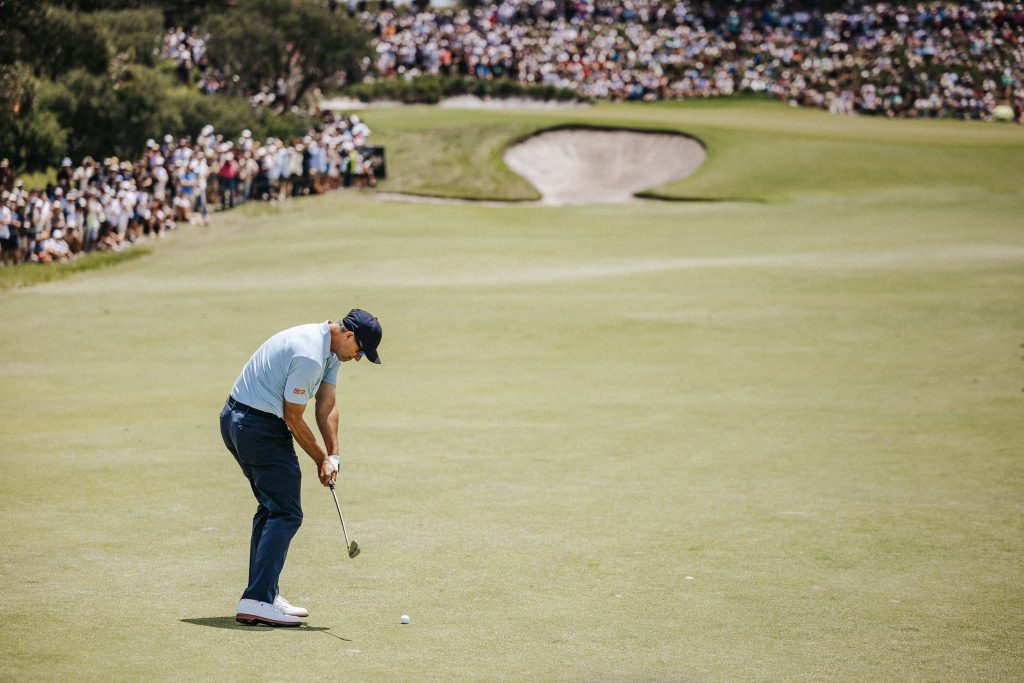
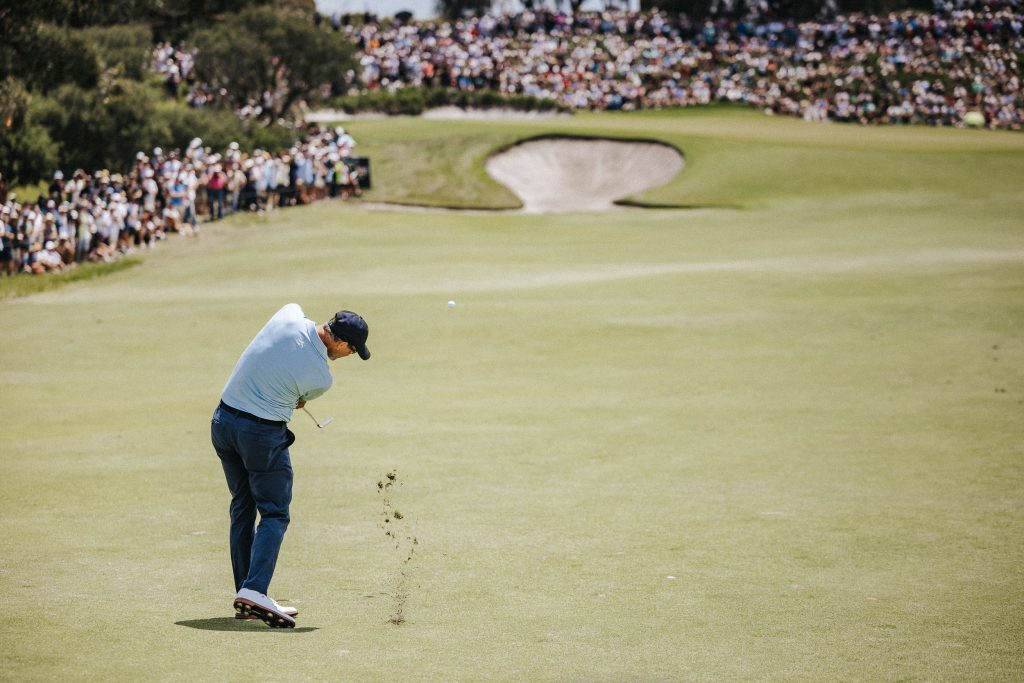
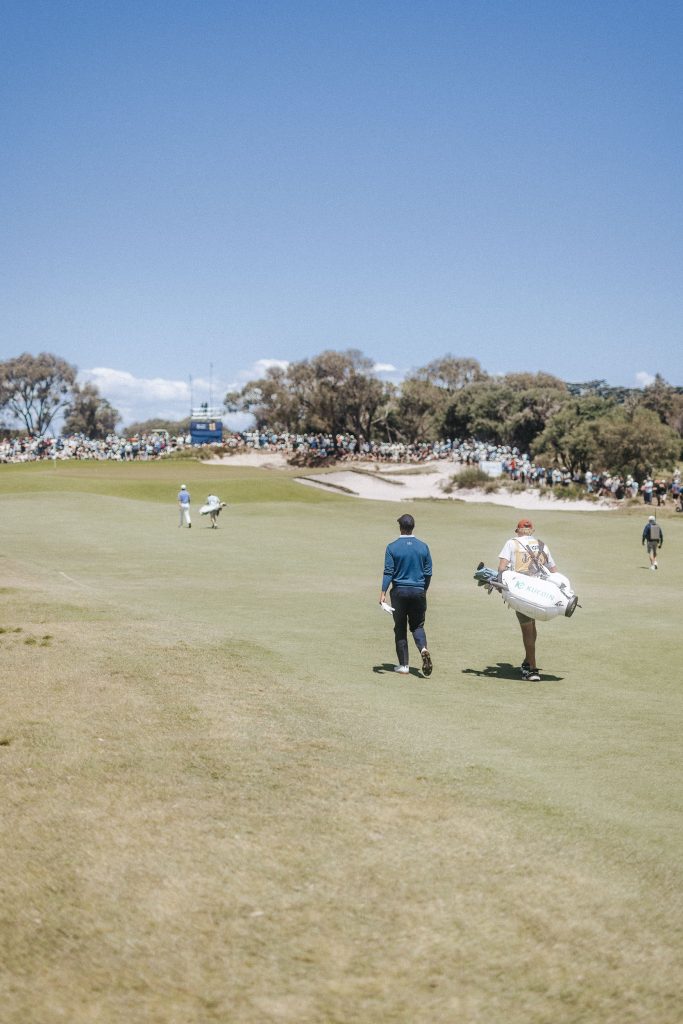
Collecting a media pass always carries a small thrill, but walking into Royal Melbourne on Monday morning felt different. This wasn’t just another tournament — it was the Australian Open returning to a course I’ve photographed countless times, a place whose contours I know intimately. And yet, transformed into a championship venue with grandstands rising beside greens and hospitality tents dotting the landscape, it felt almost unfamiliar. The bones were the same, but the body had changed.

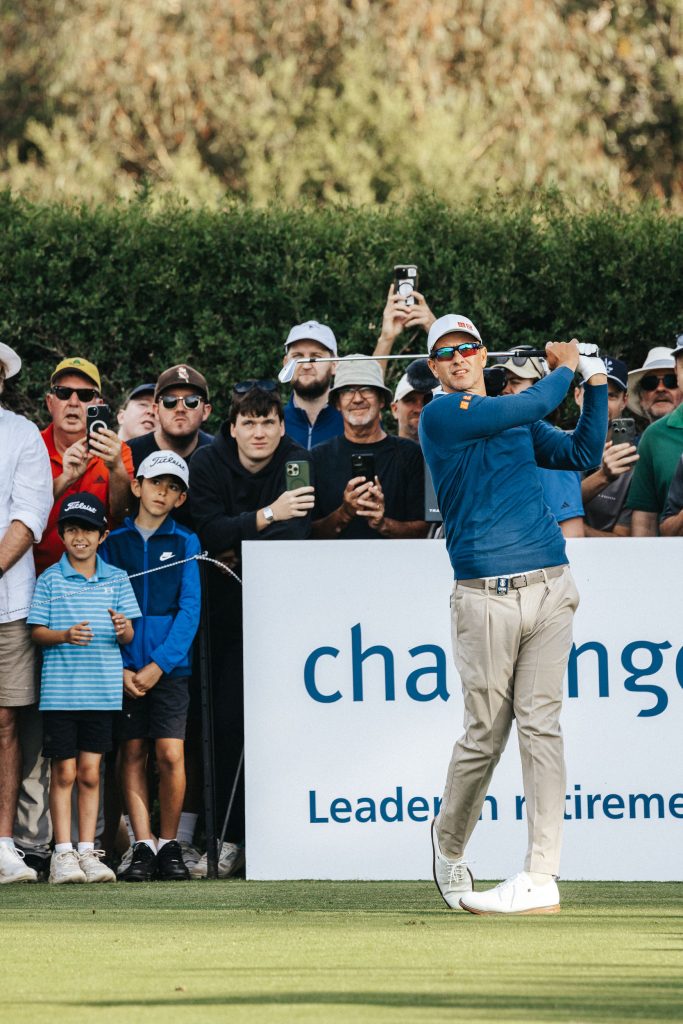
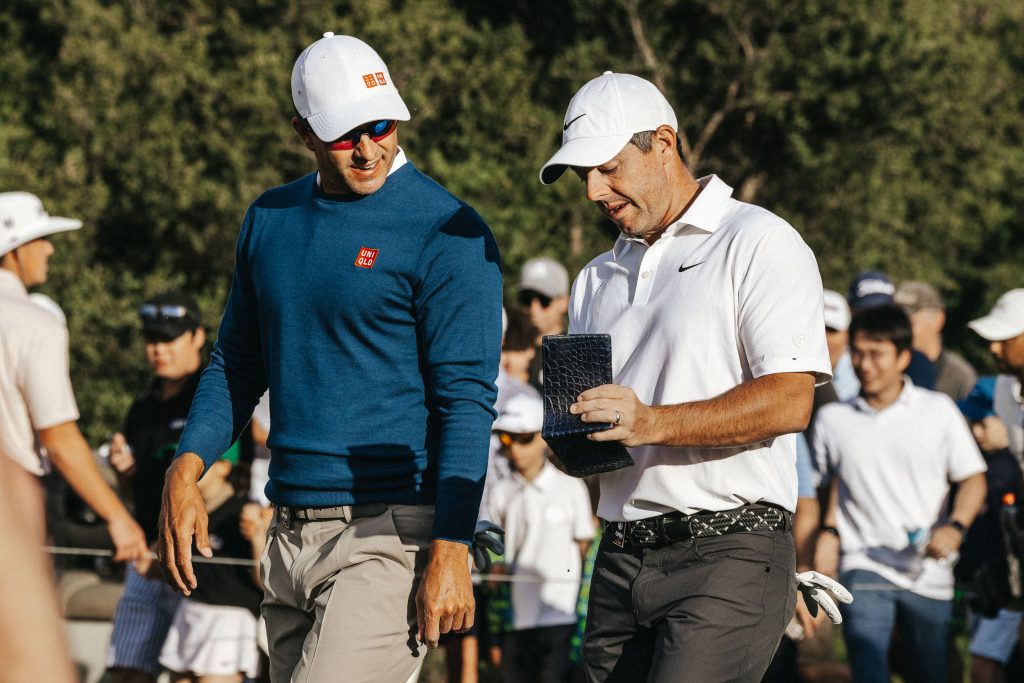
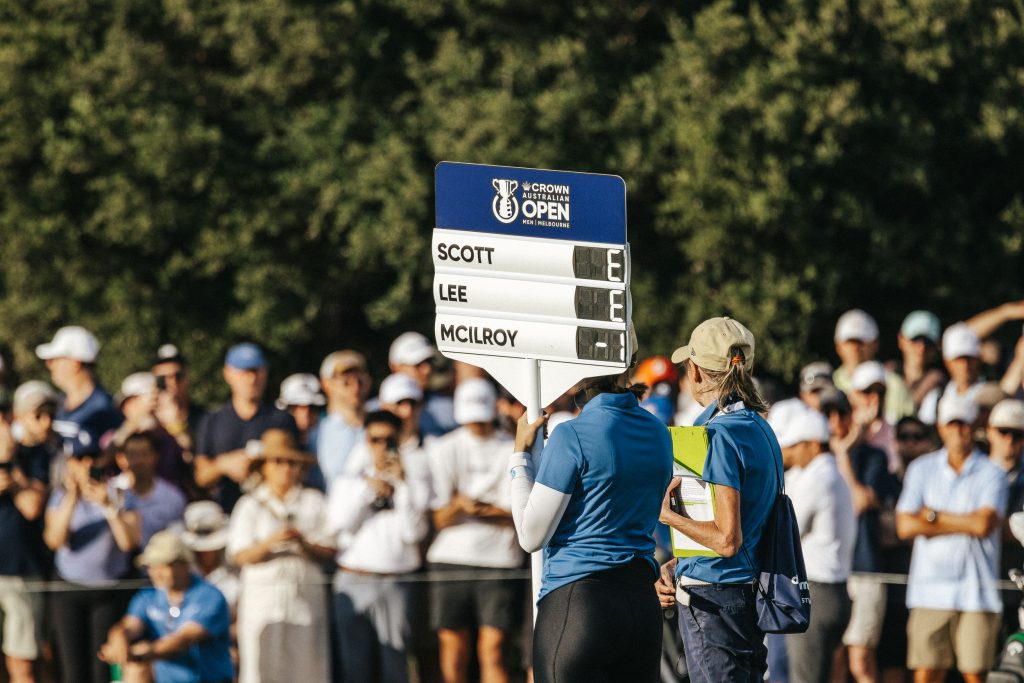
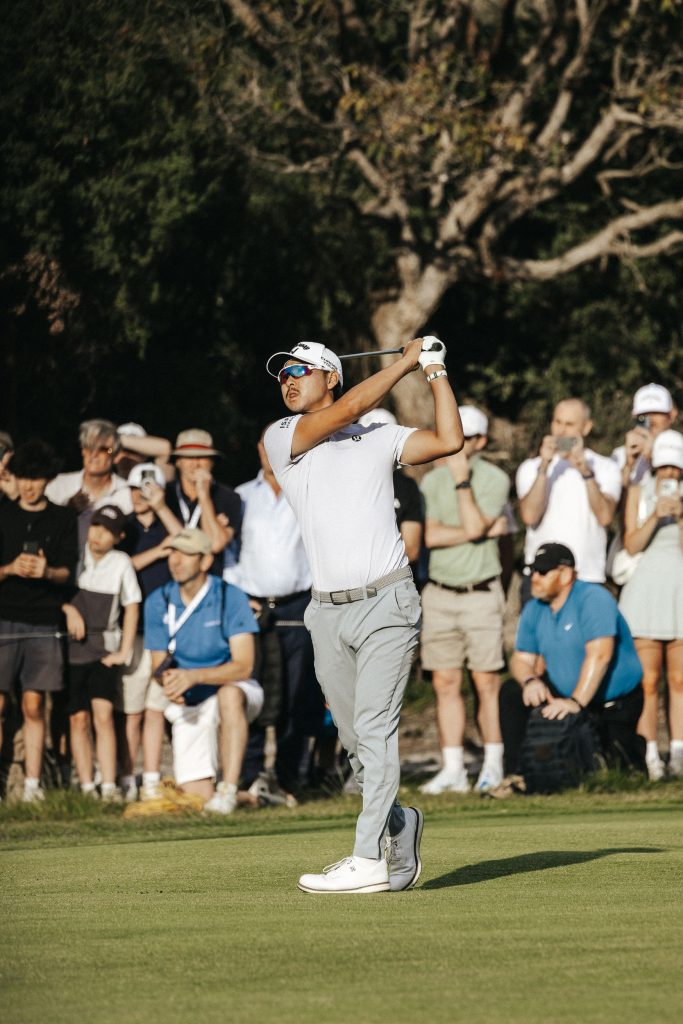
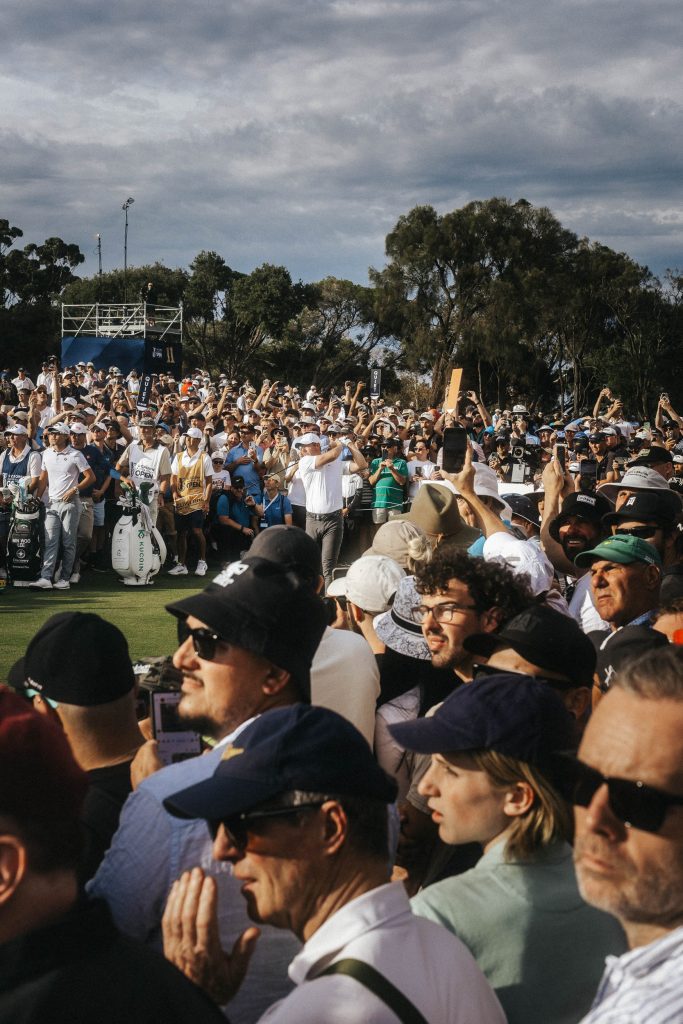
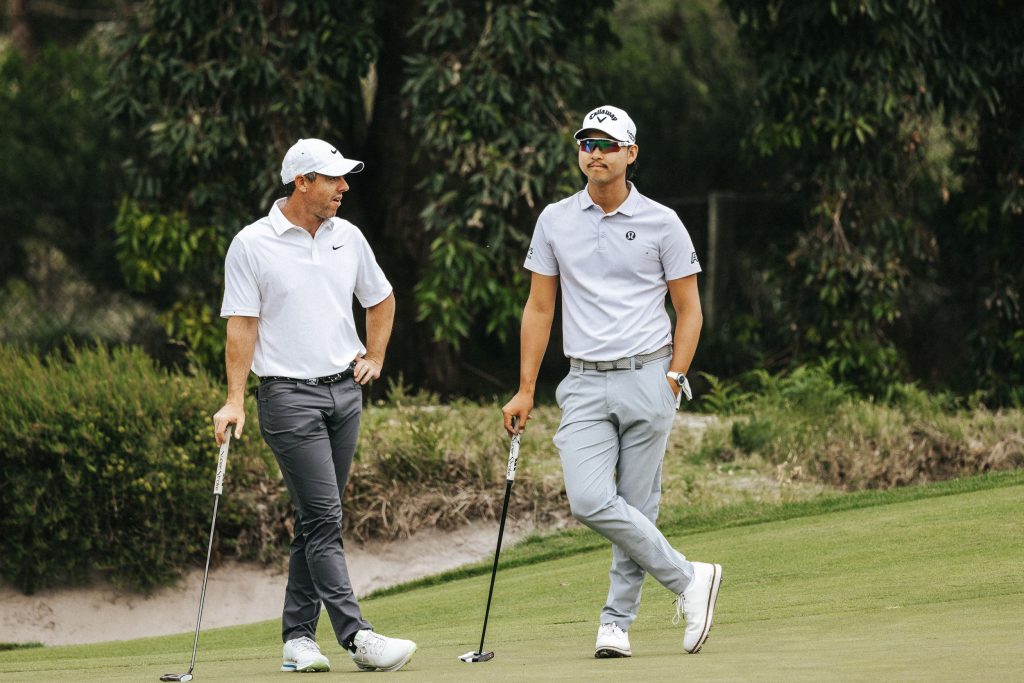
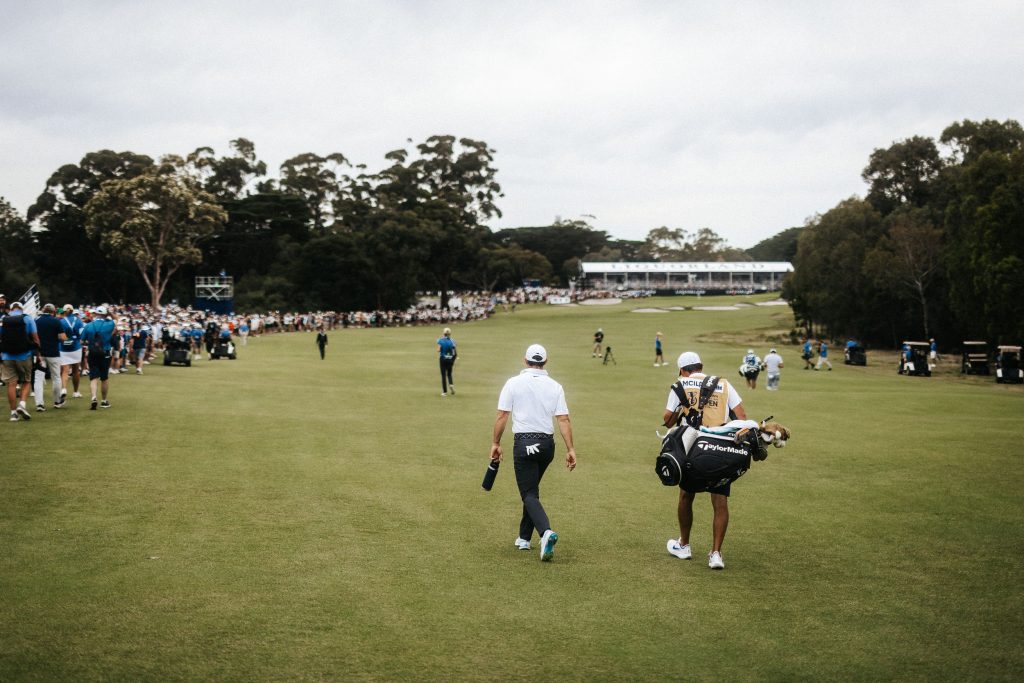
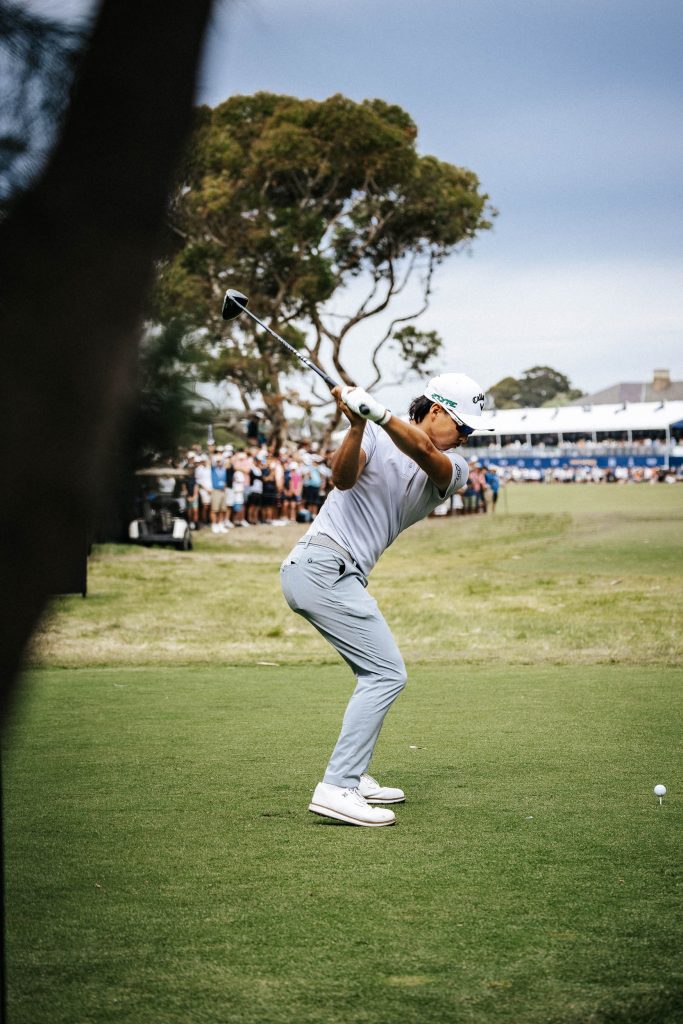
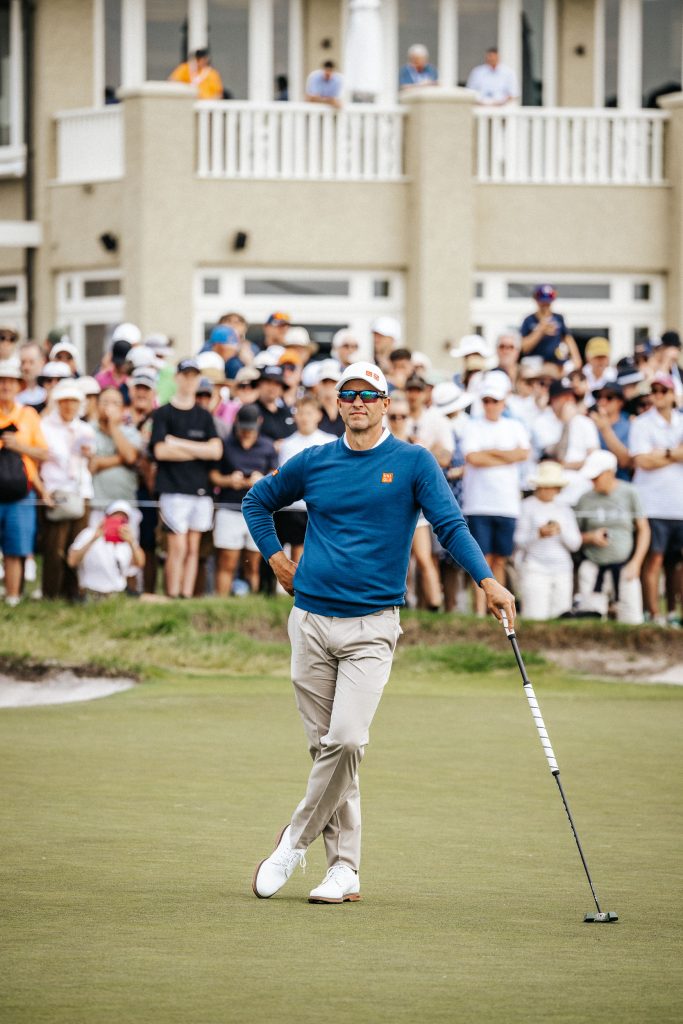
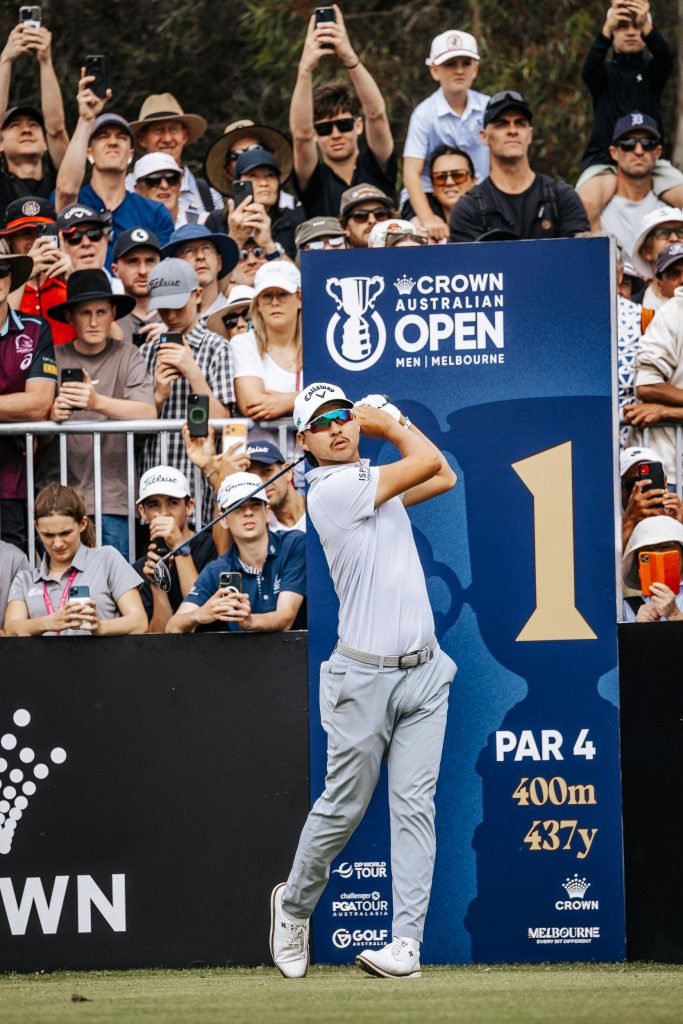
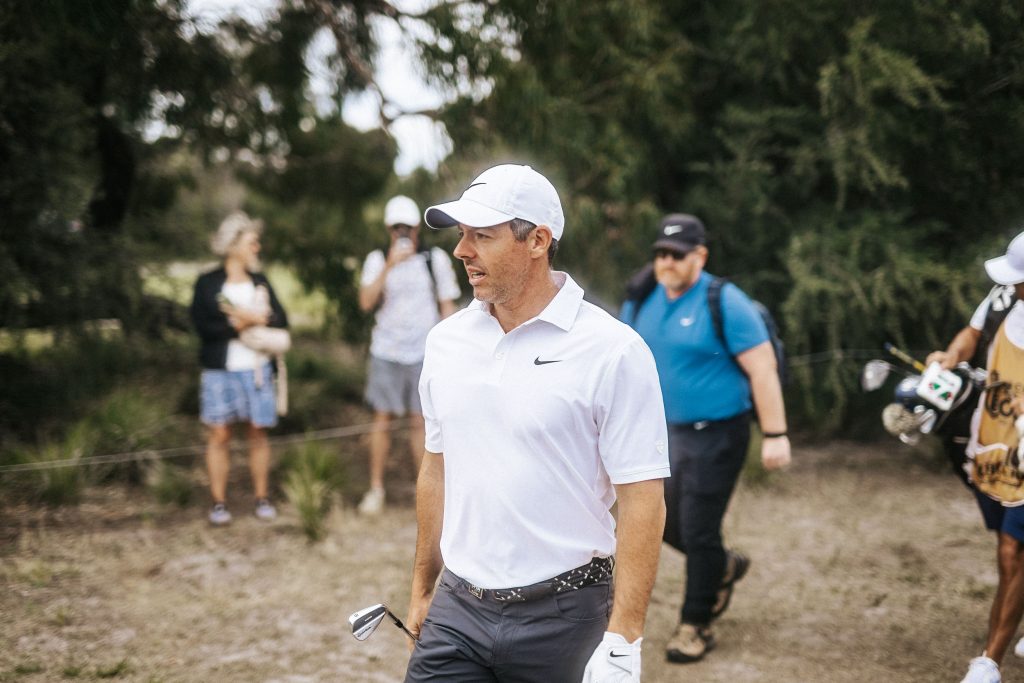
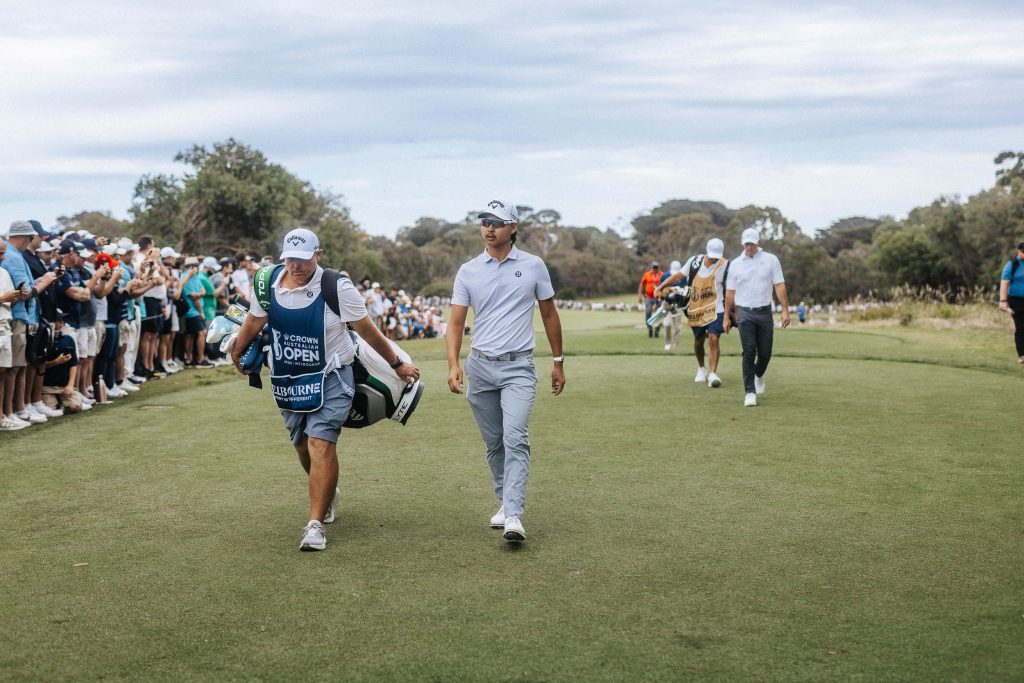
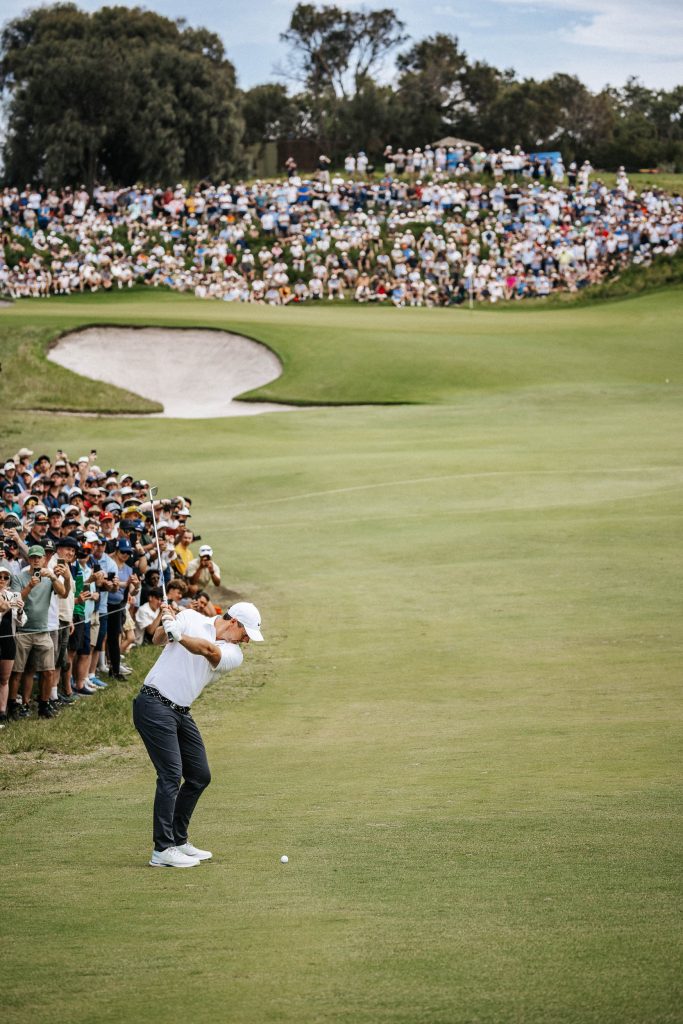
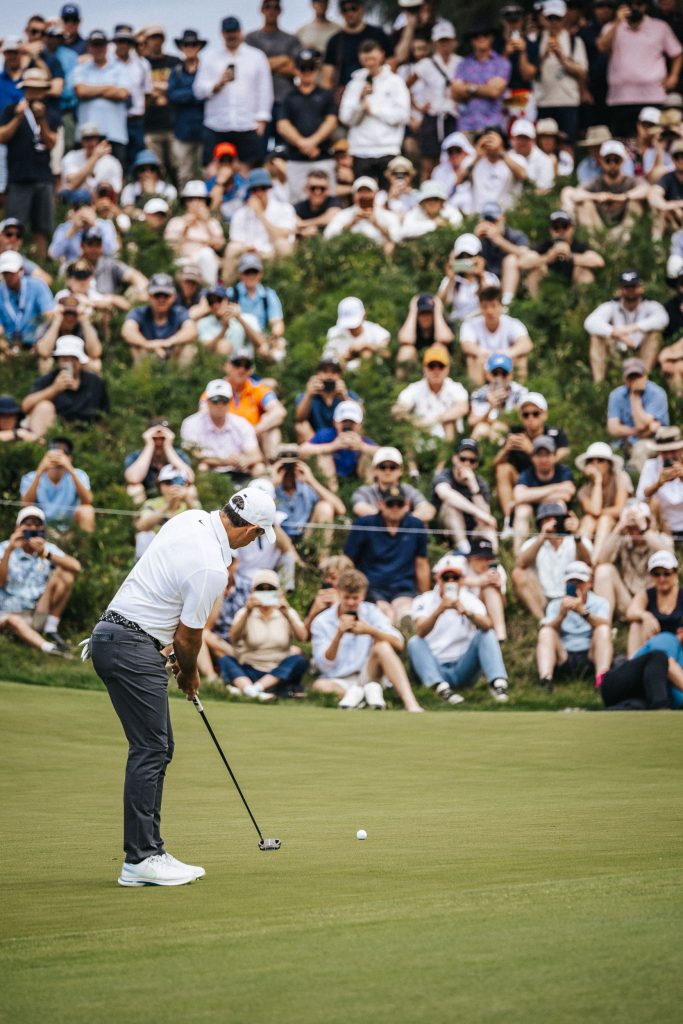
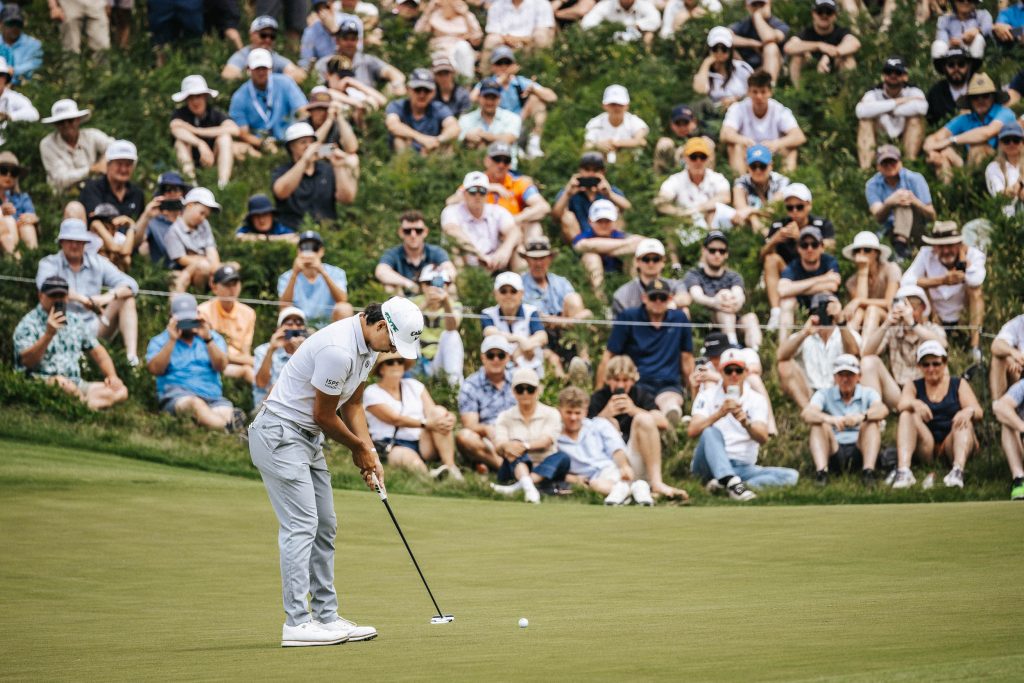
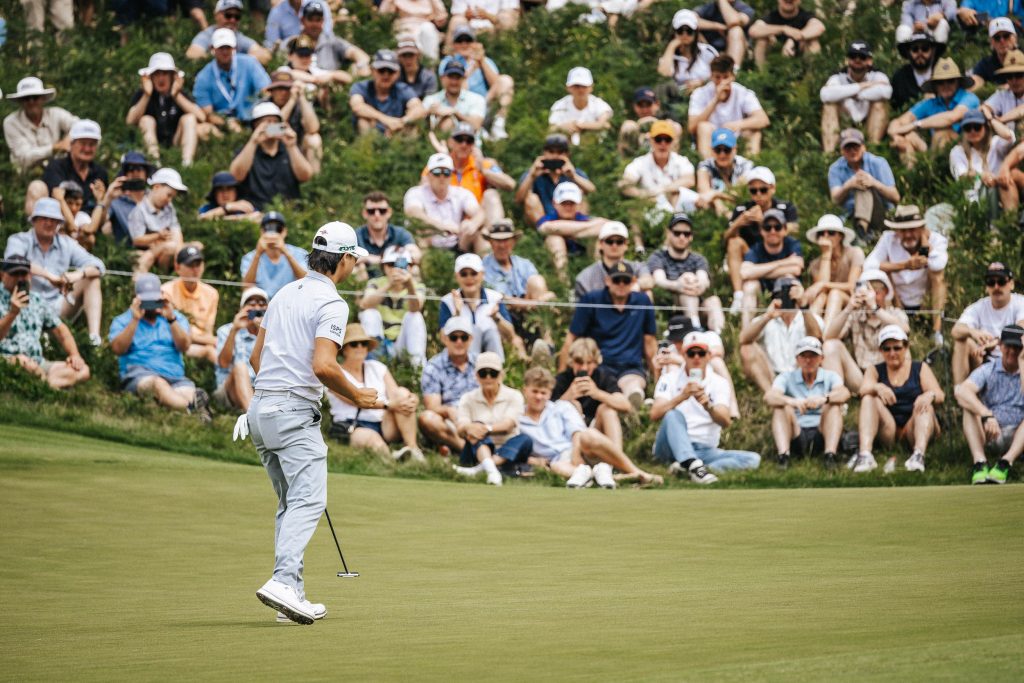
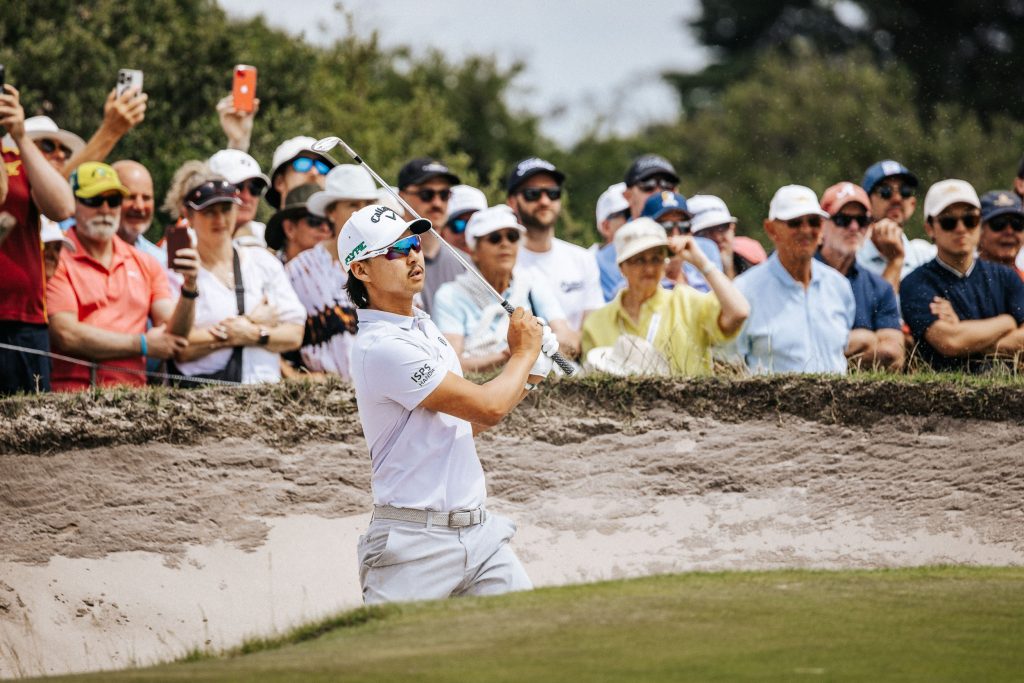
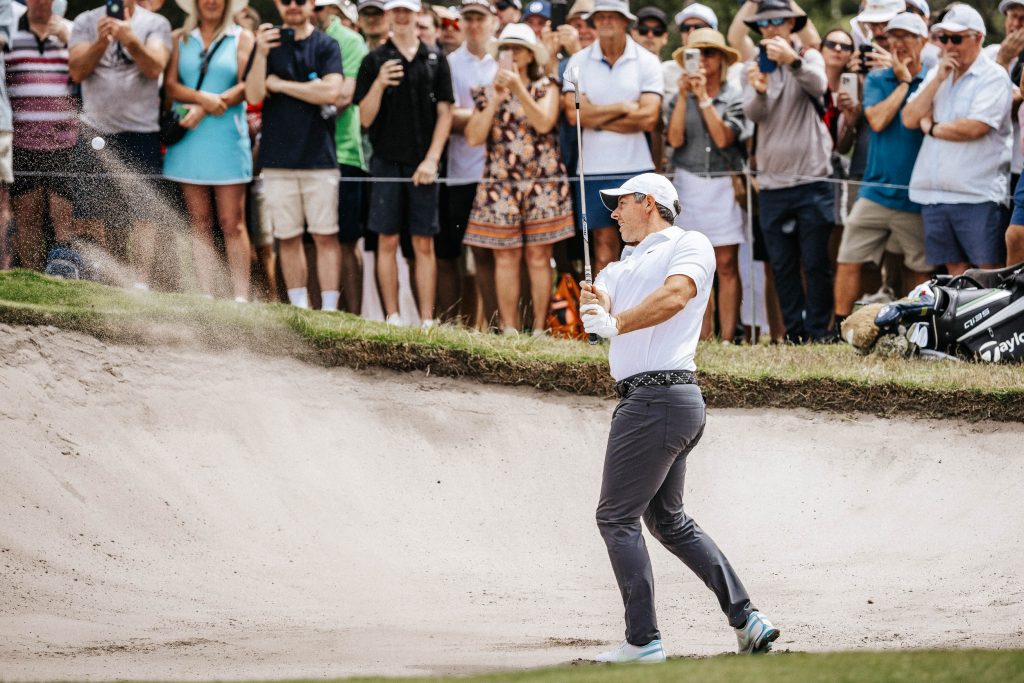
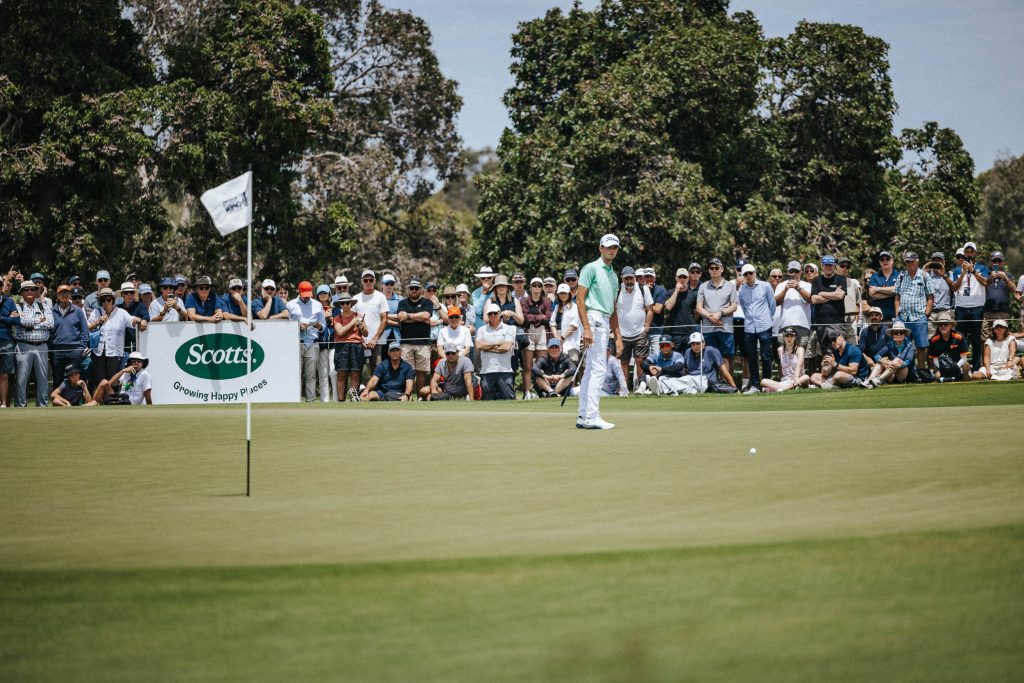
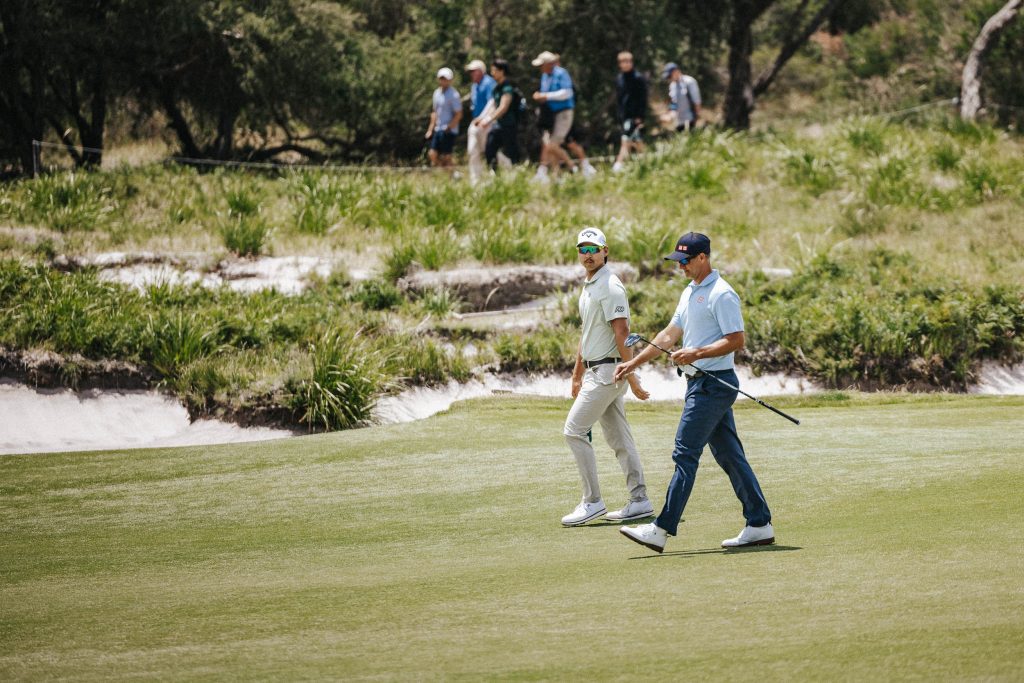
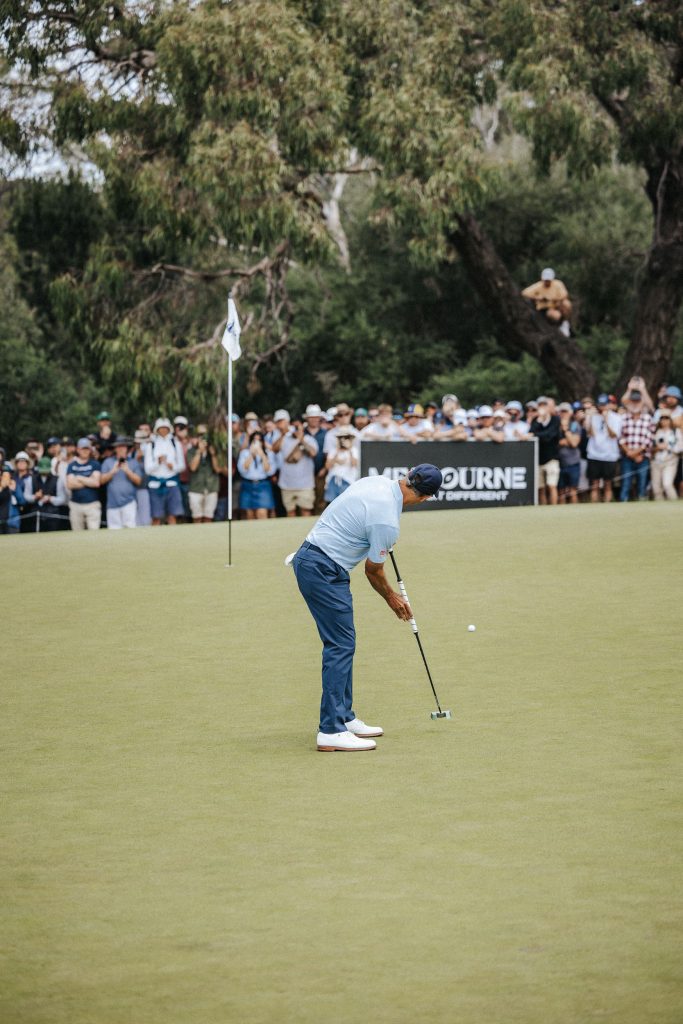
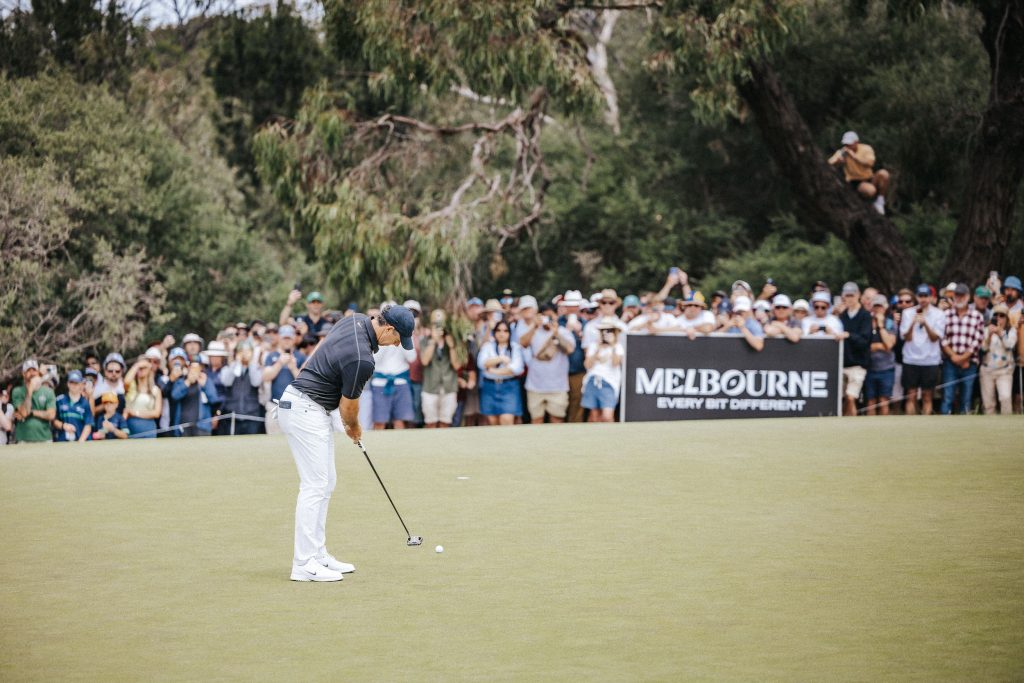
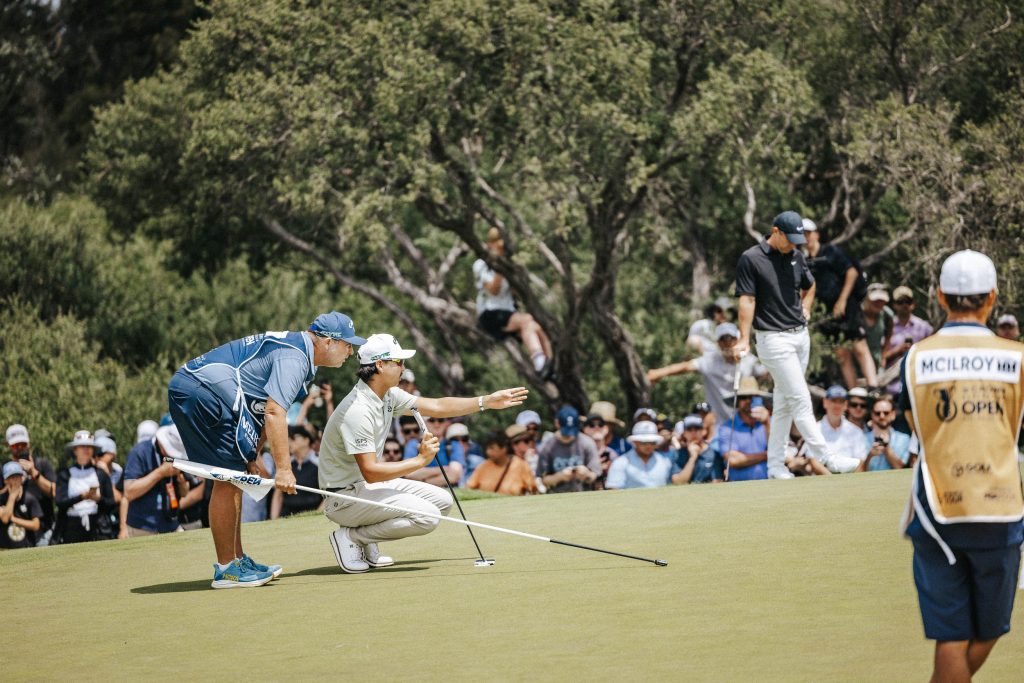
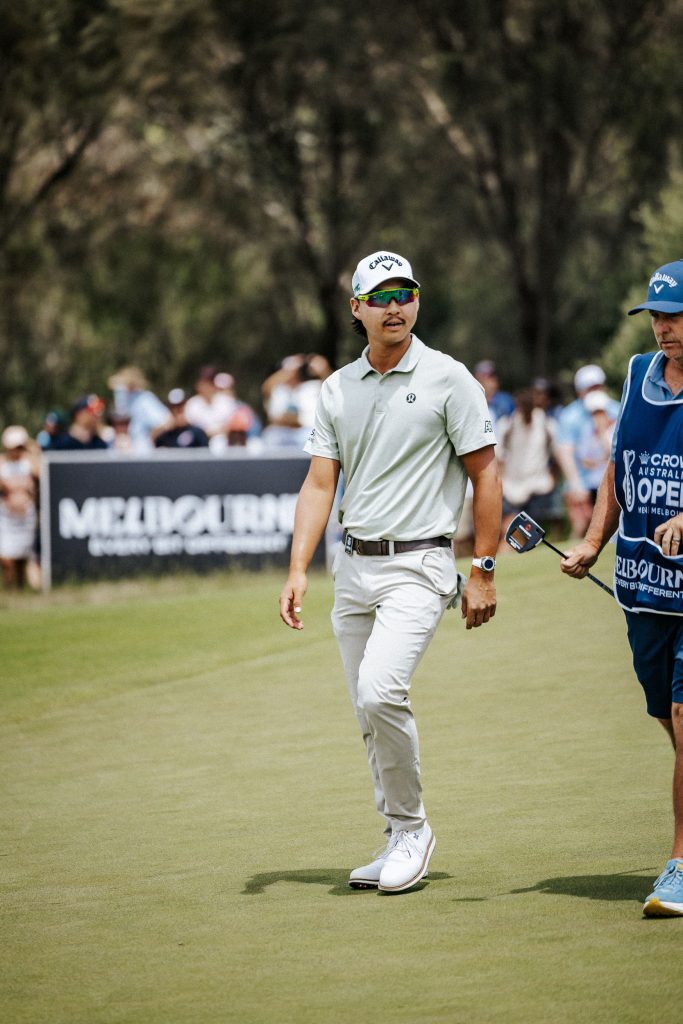
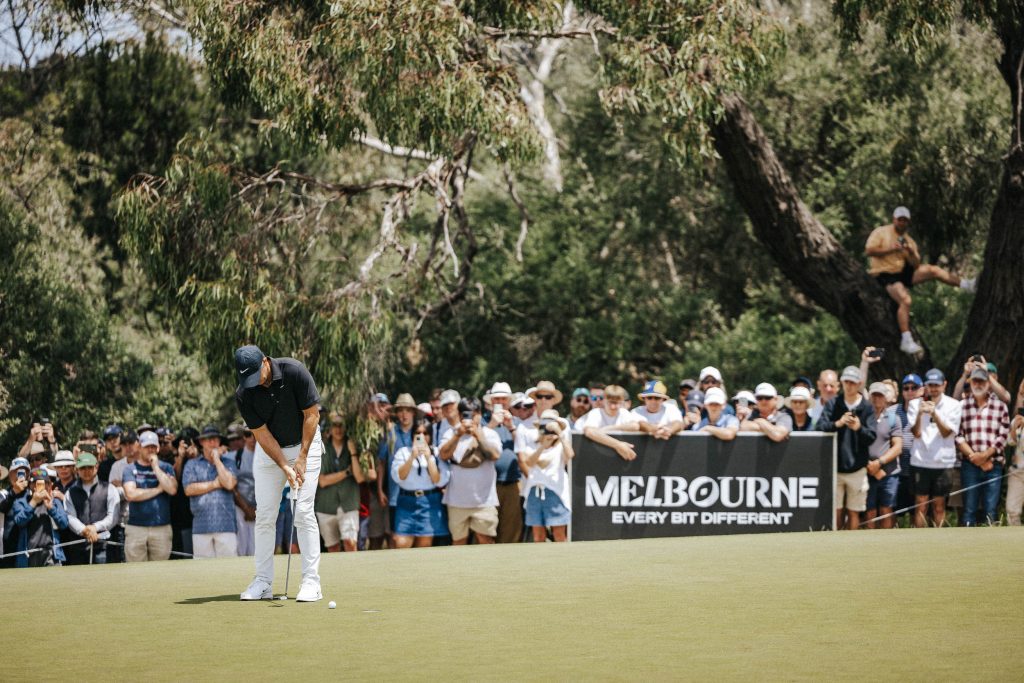
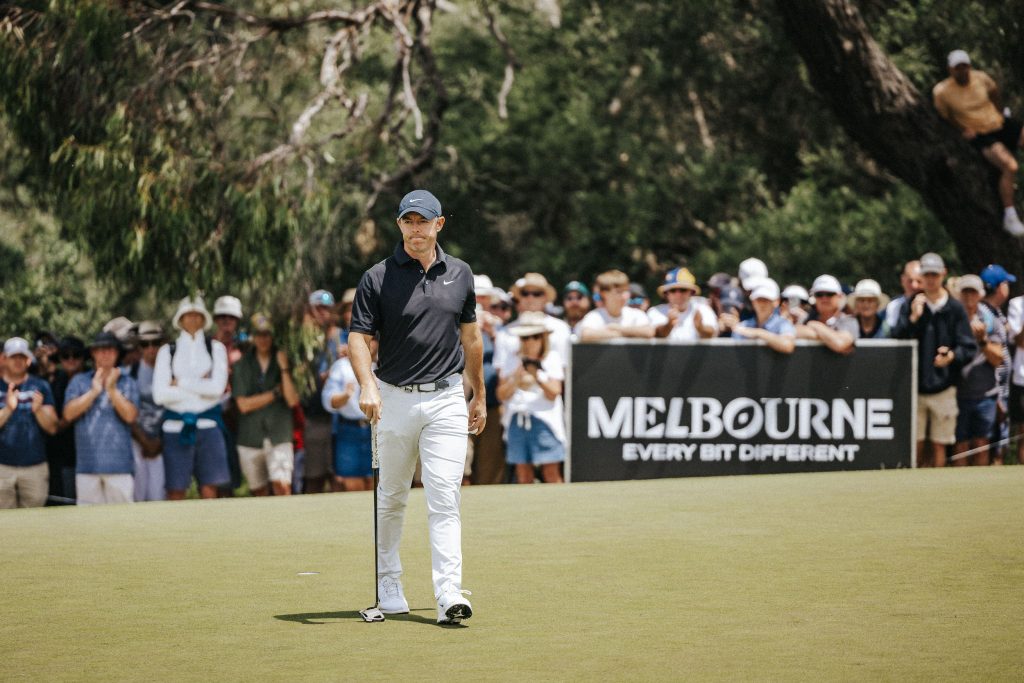
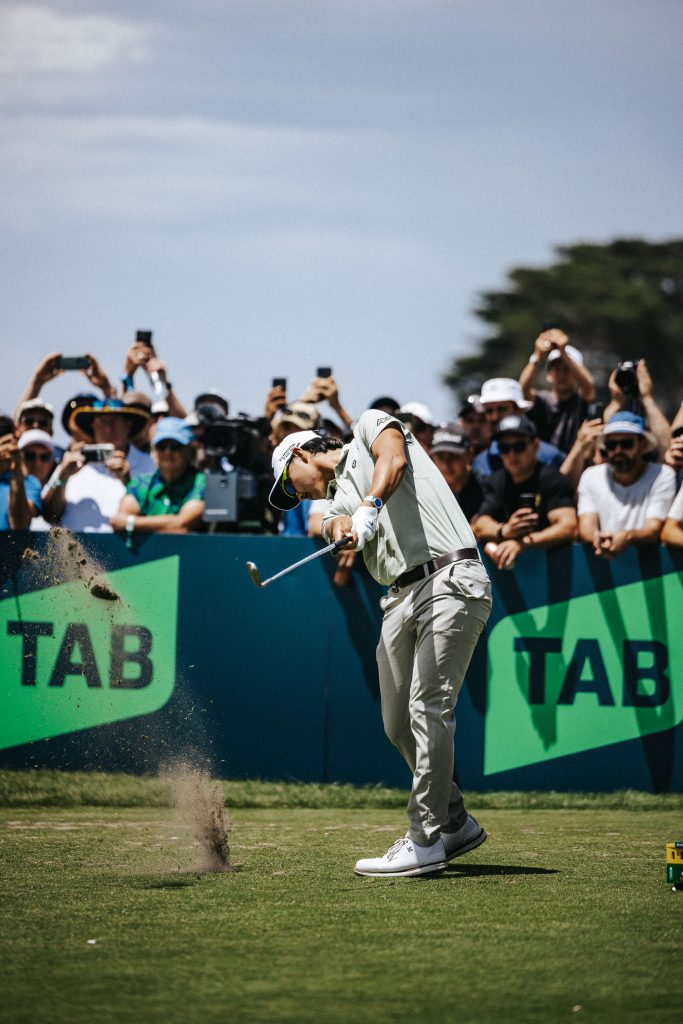
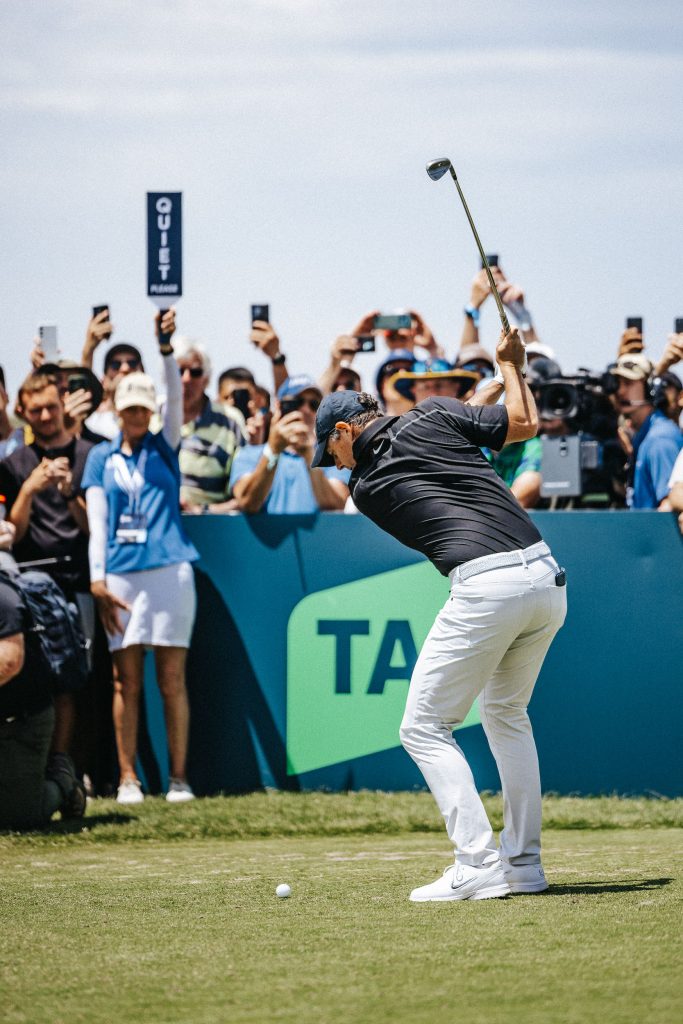
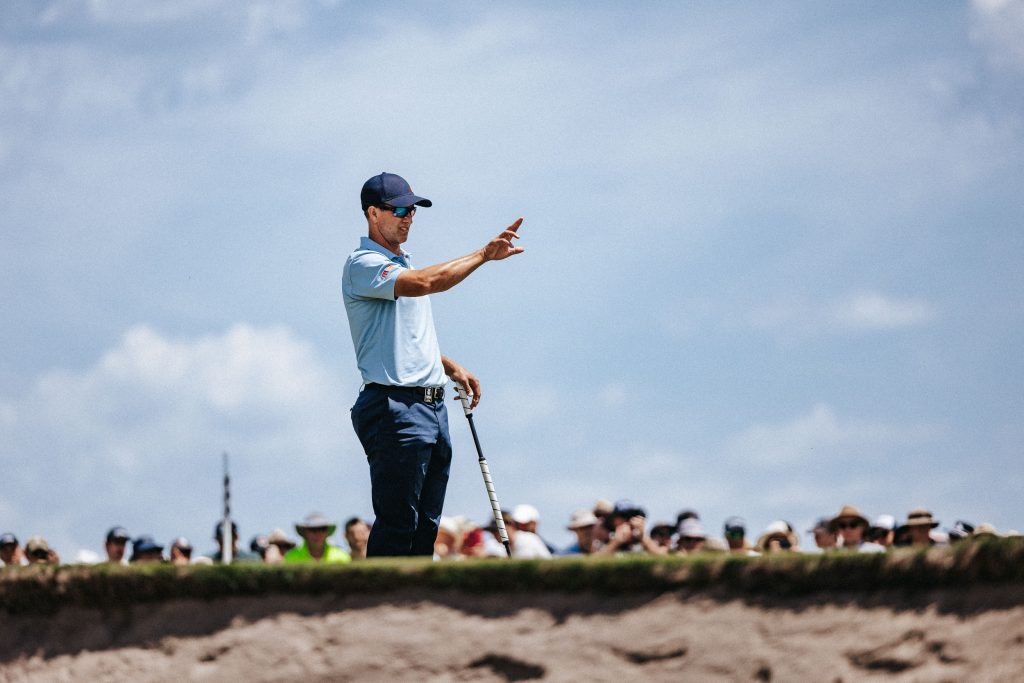
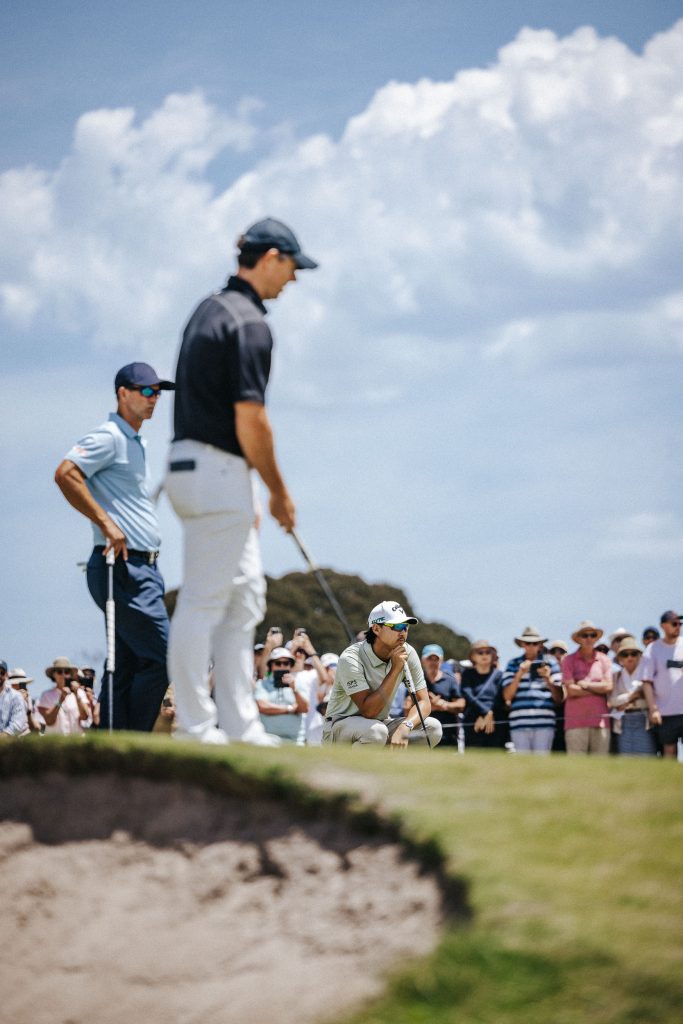
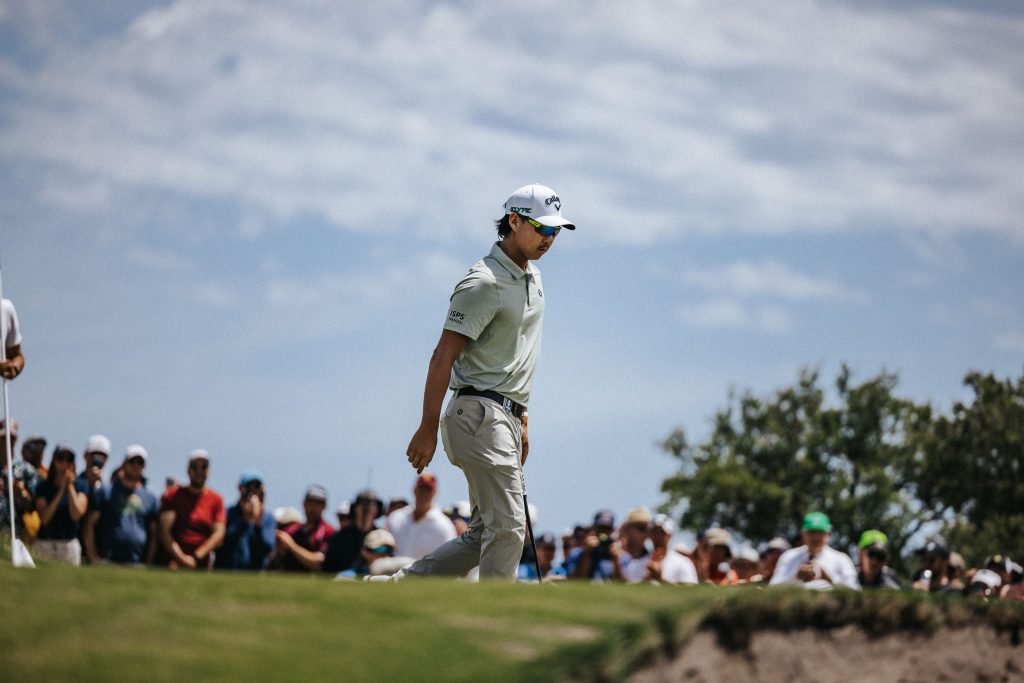
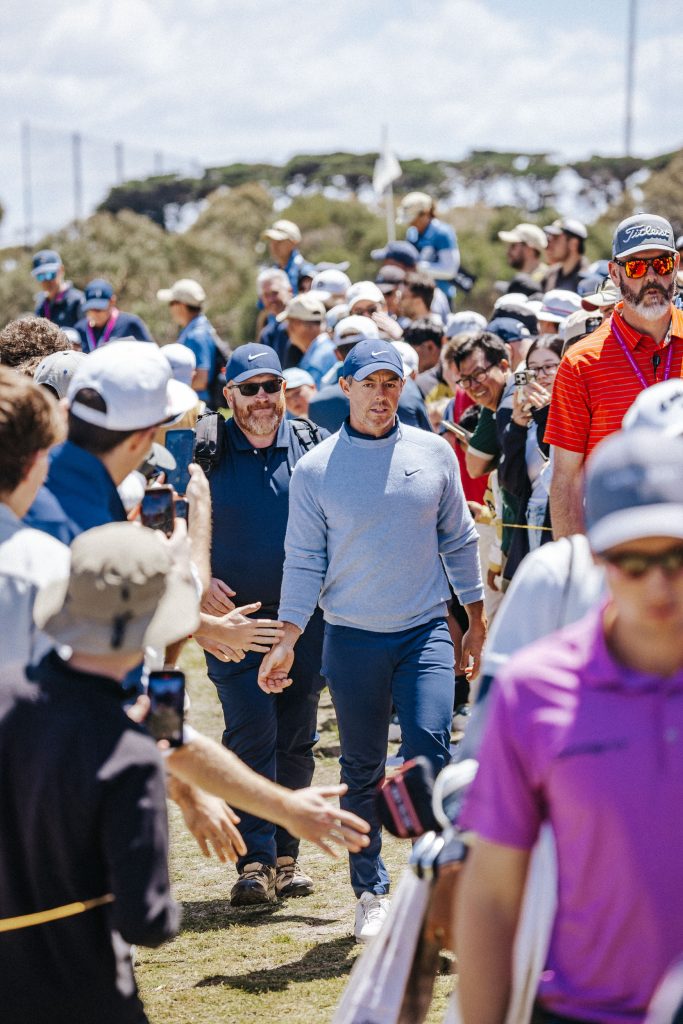
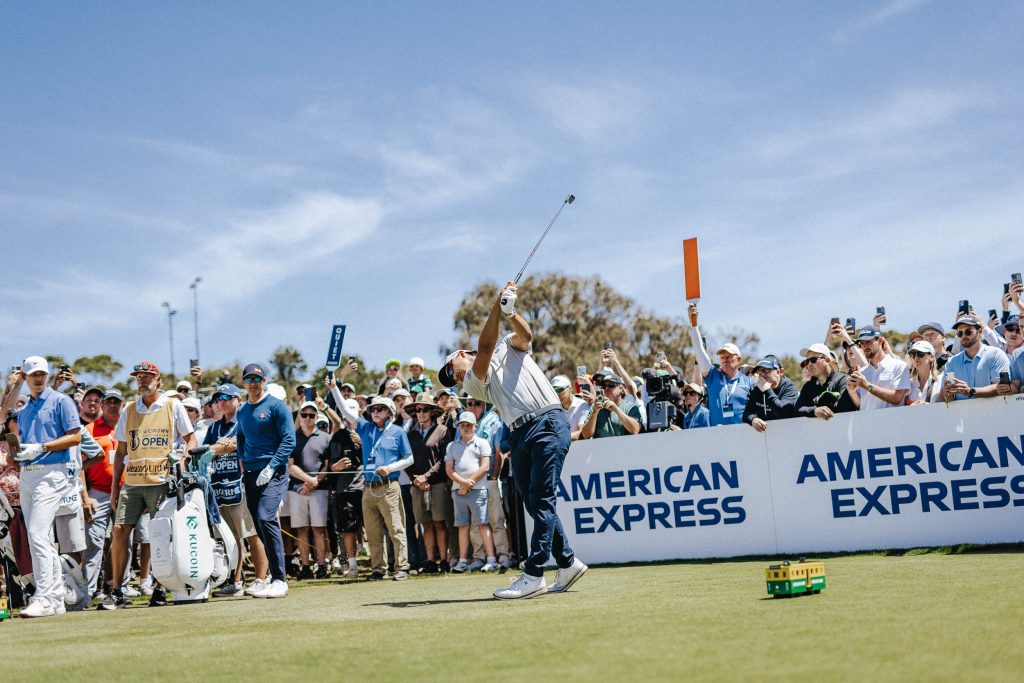
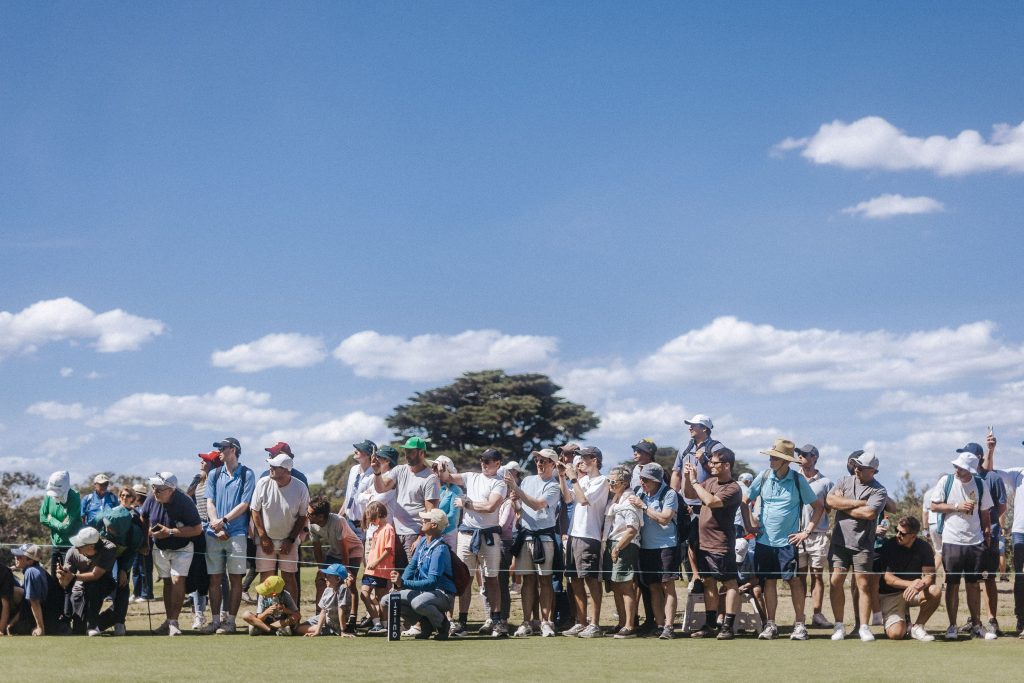
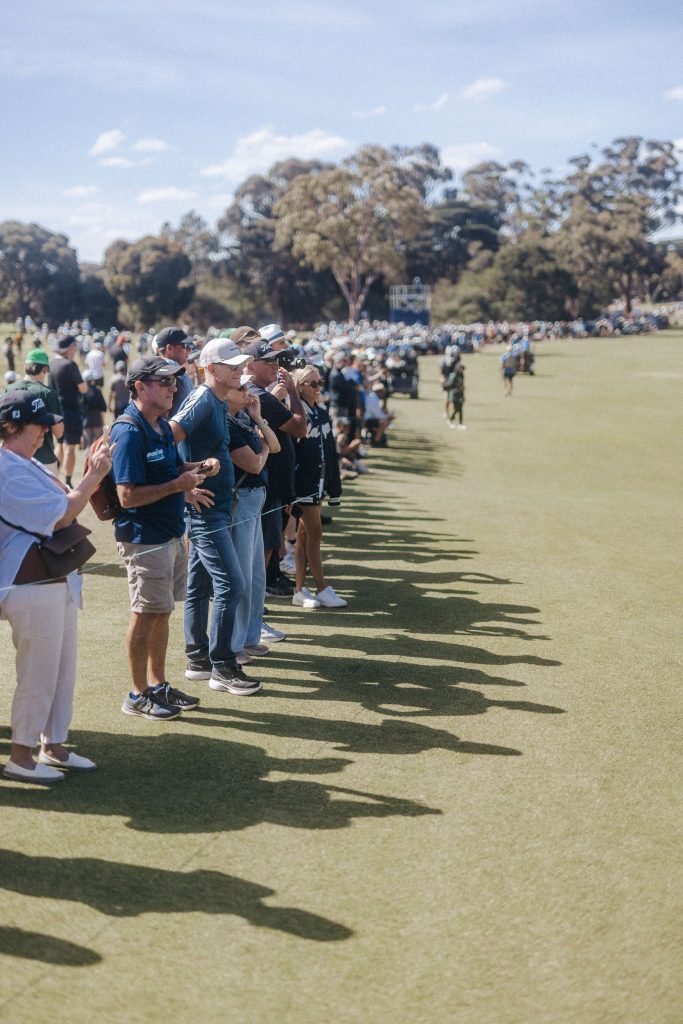
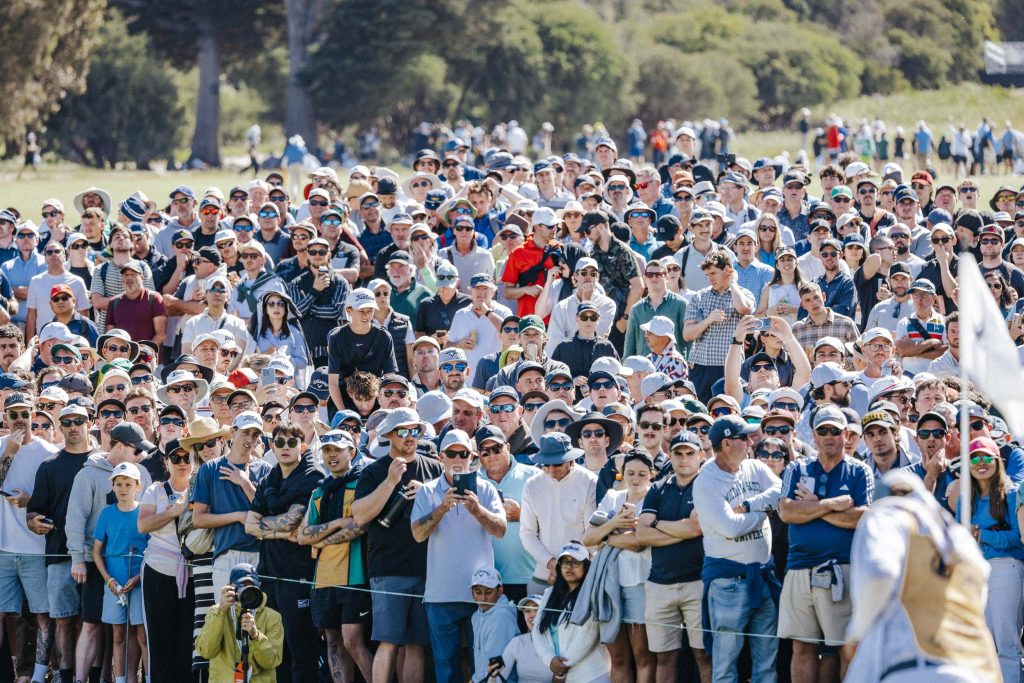
The Rory effect was palpable before a ball had been struck. Paired with Adam Scott and Min Woo Lee, the feature group had generated a buzz that translated into record ticket sales and a sense that this week might matter. Not just for the trophy, but for tournament golf in Australia.

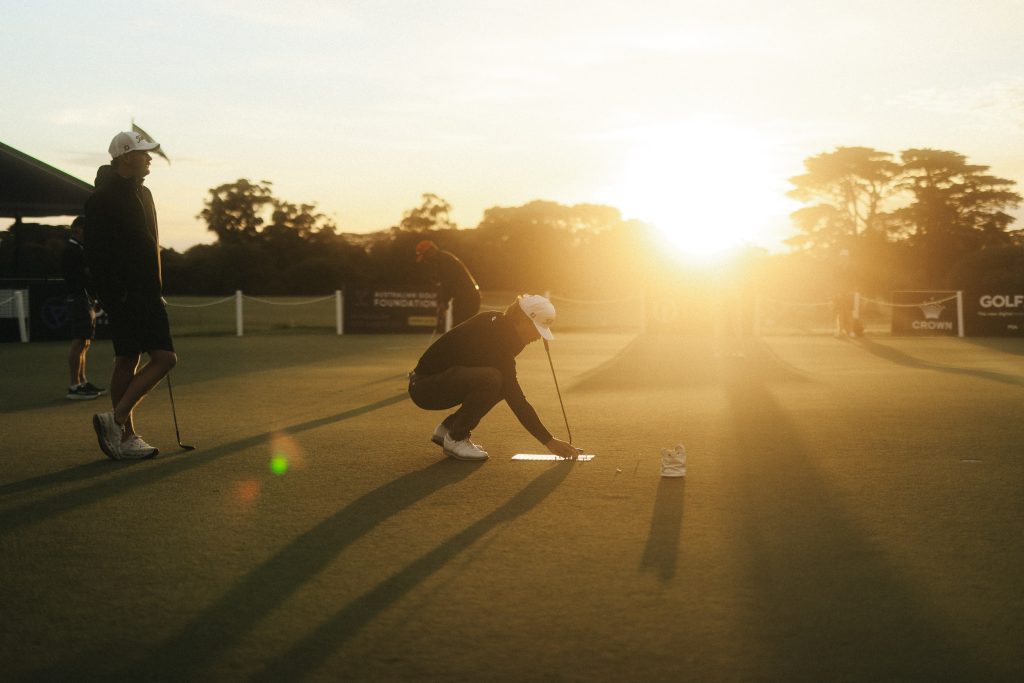
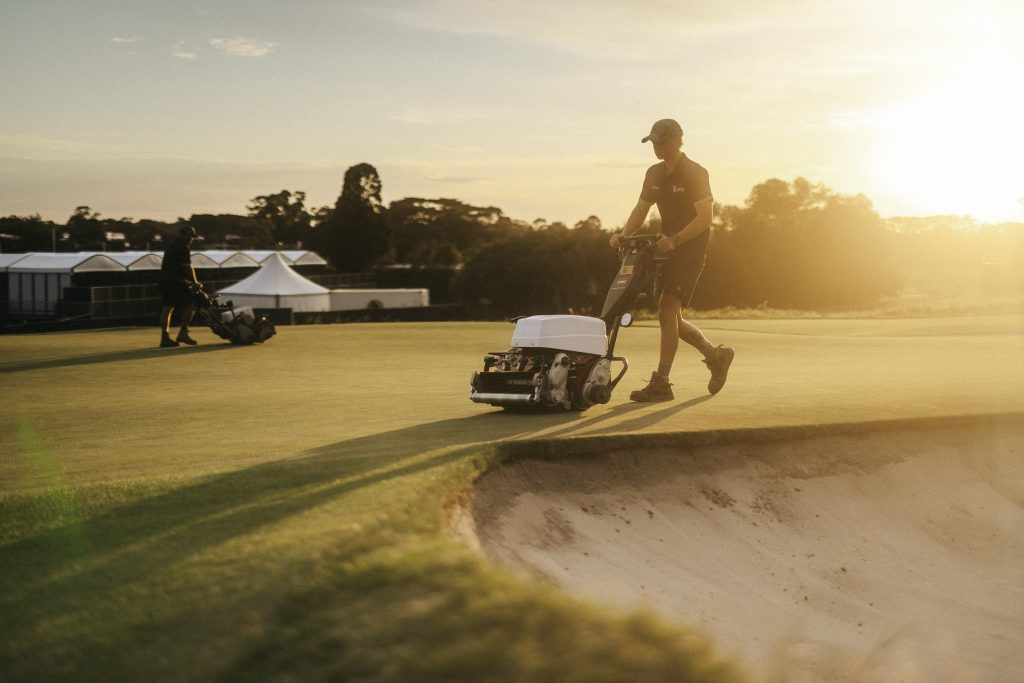
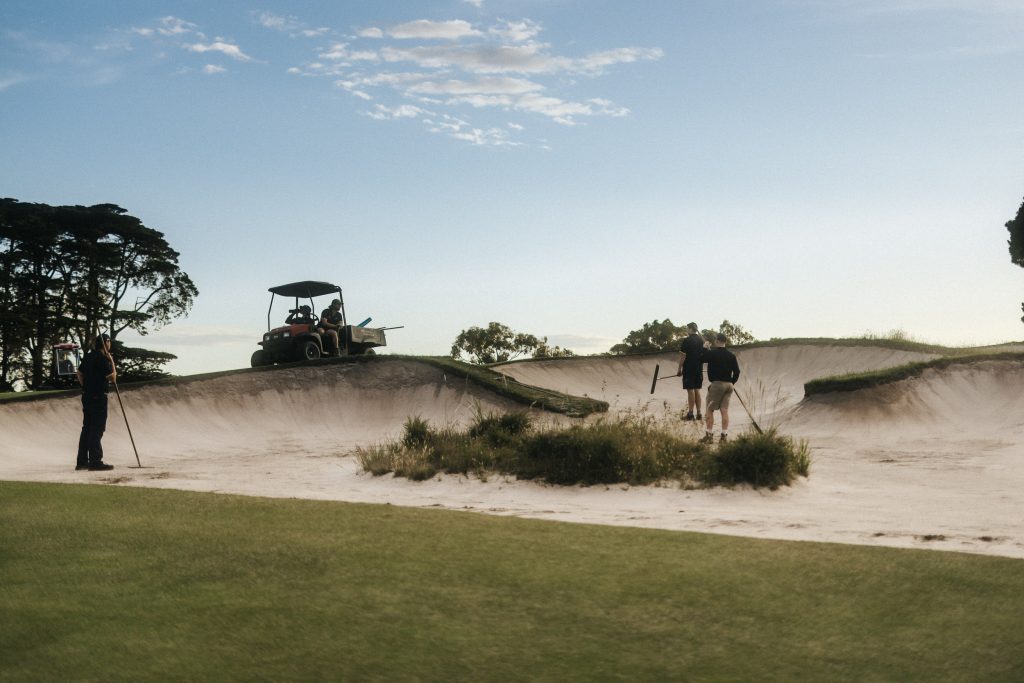
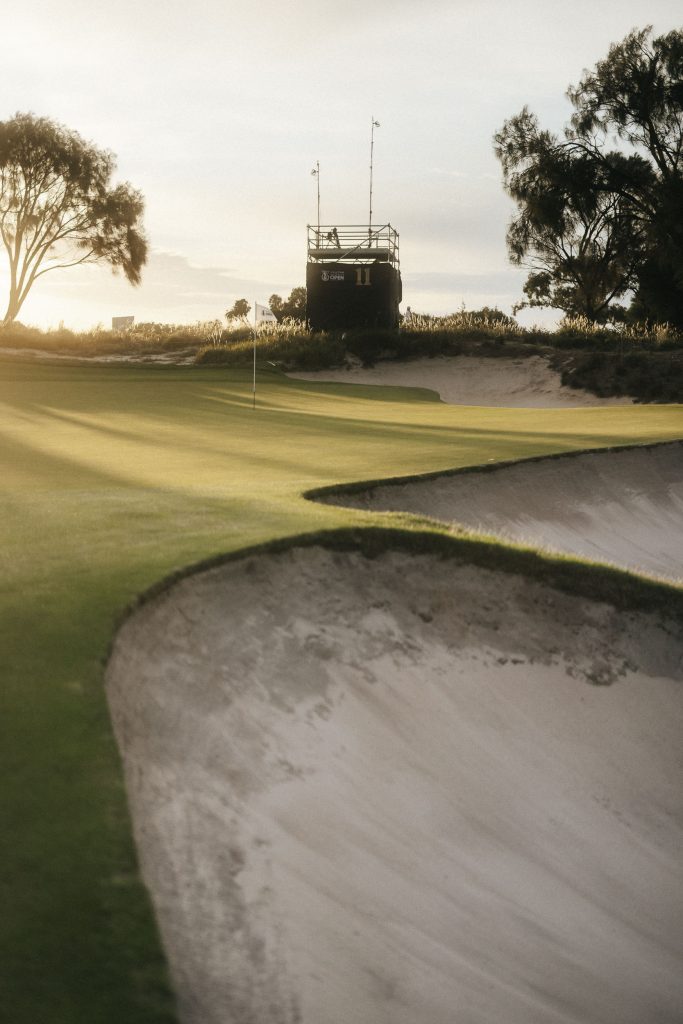
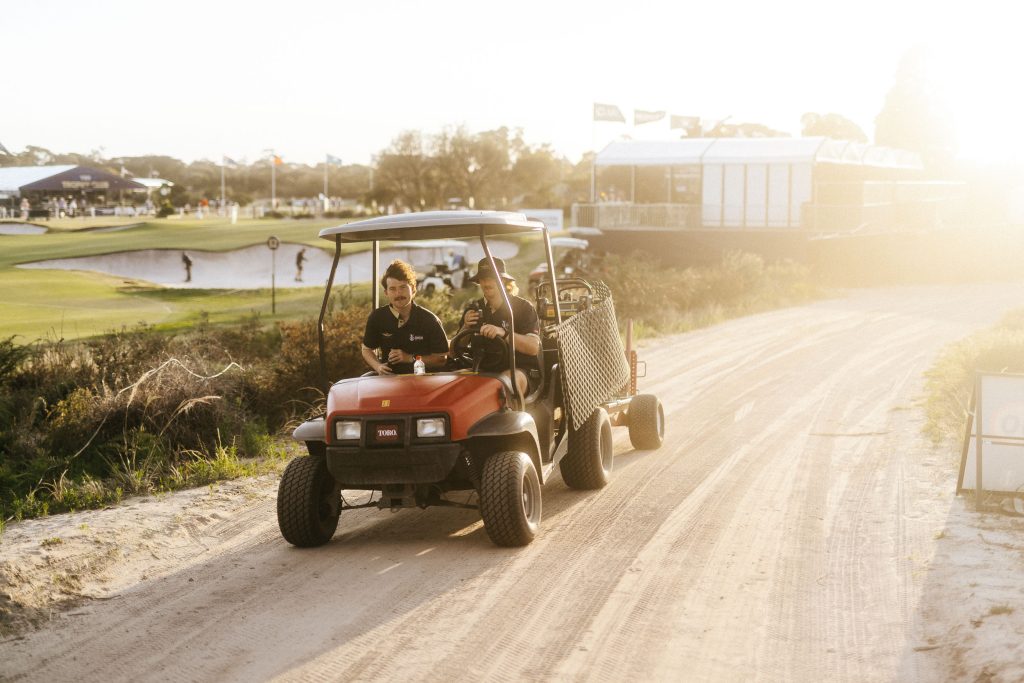
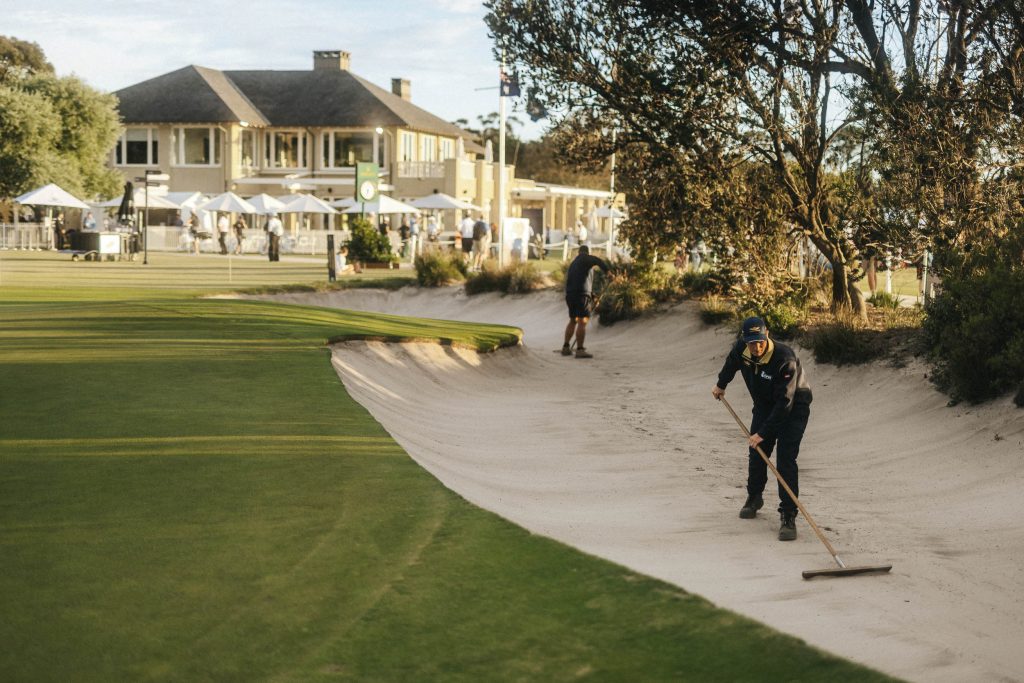
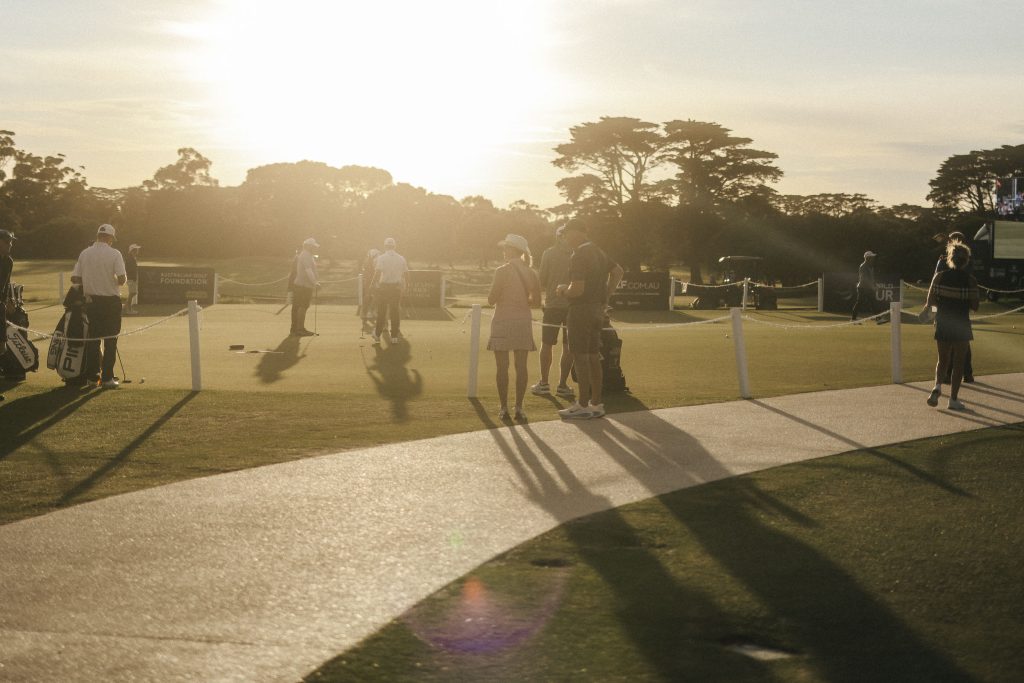
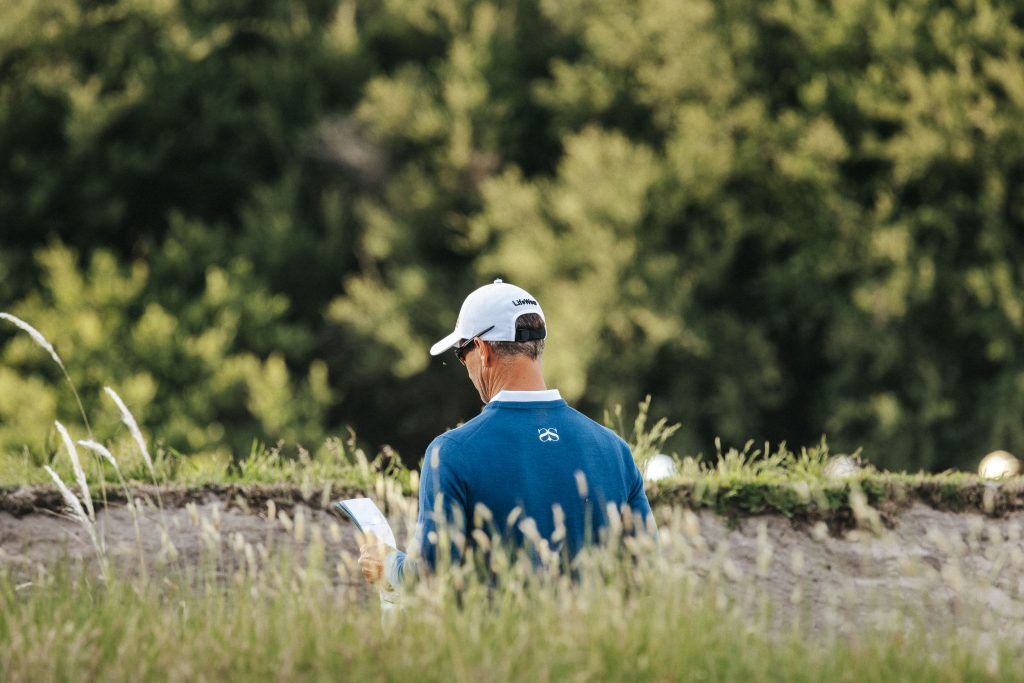
Thursday began in darkness. I left Brunswick East at 5am chasing first light and that 7:05 tee time on the 10th. By sunrise I was wandering the practice green, watching the quiet theatre of course preparation — bunker rakes carving fresh lines, greenkeepers rolling surfaces they weren’t permitted to mow. Richard Forsyth, per the word on the ground, wasn’t thrilled about that restriction.

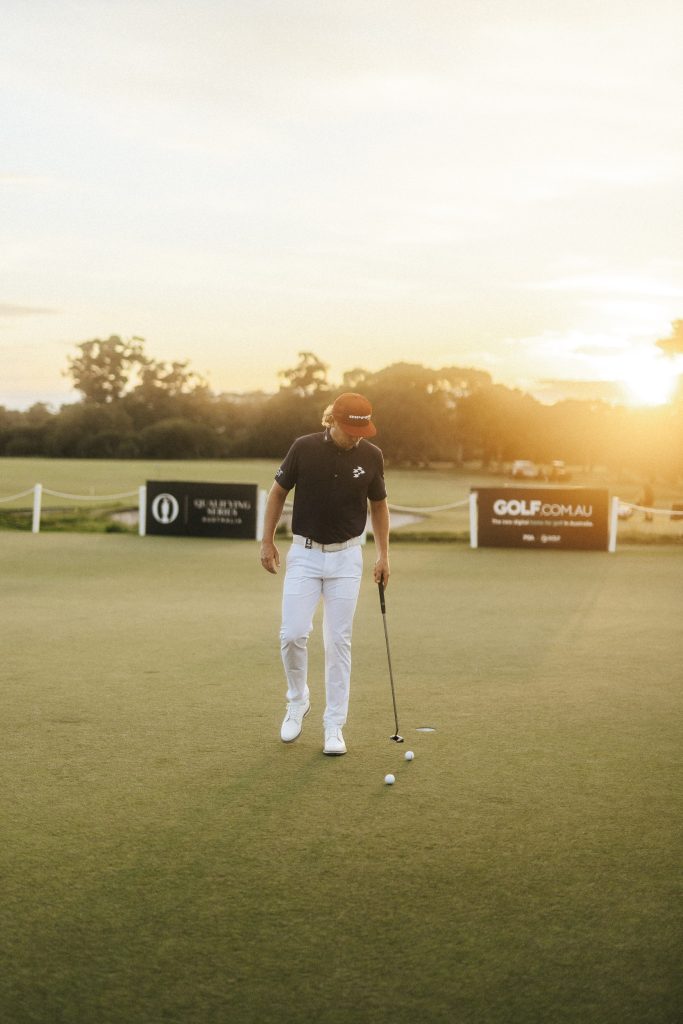
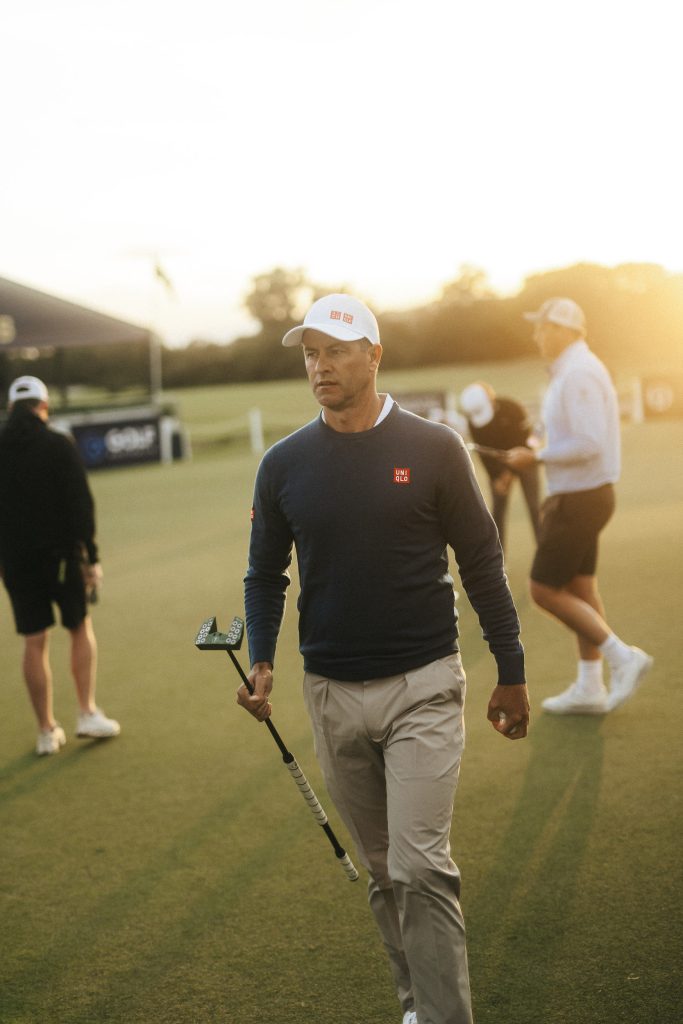
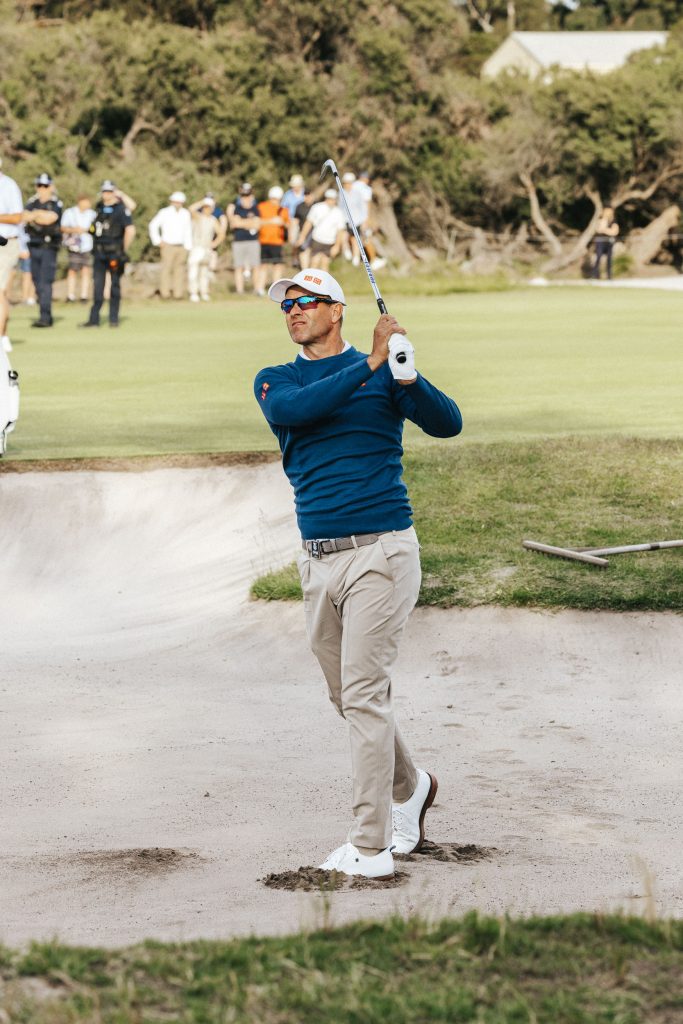
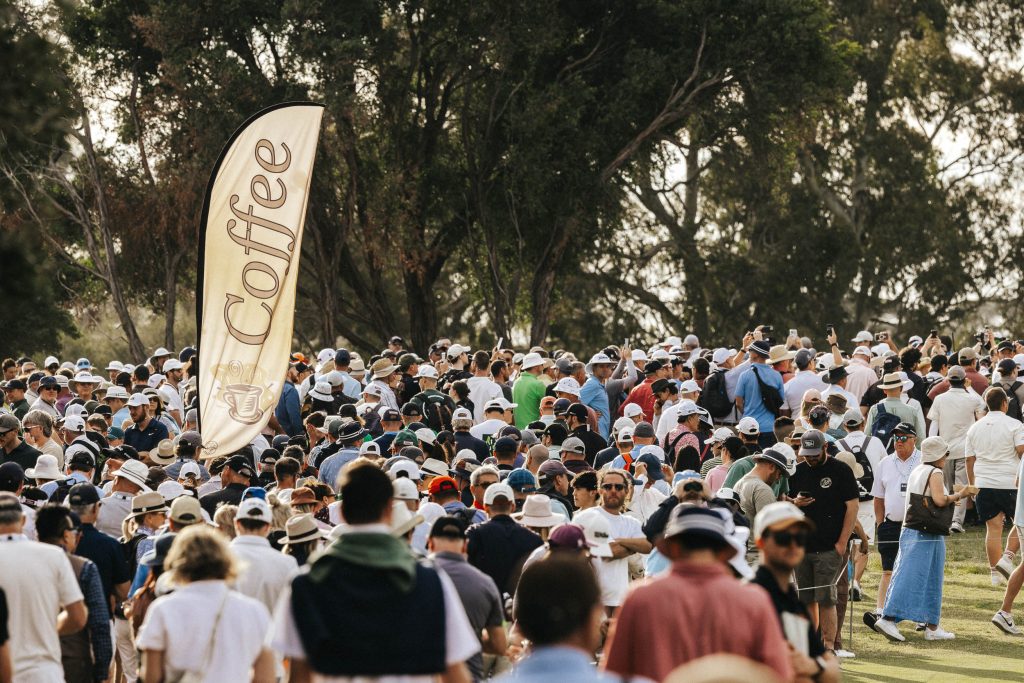
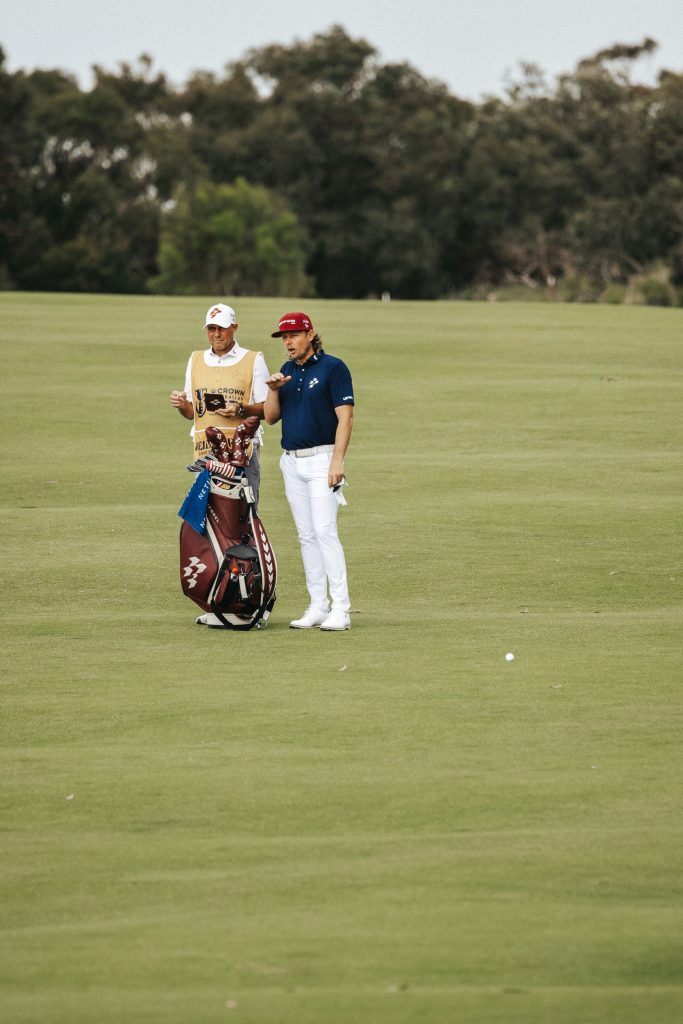
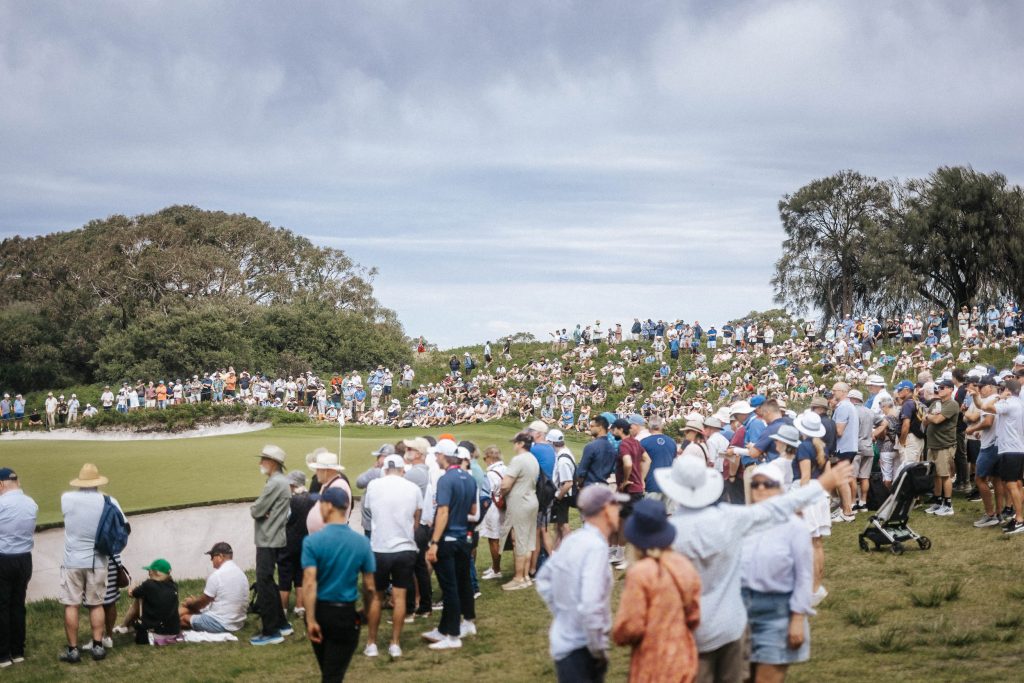
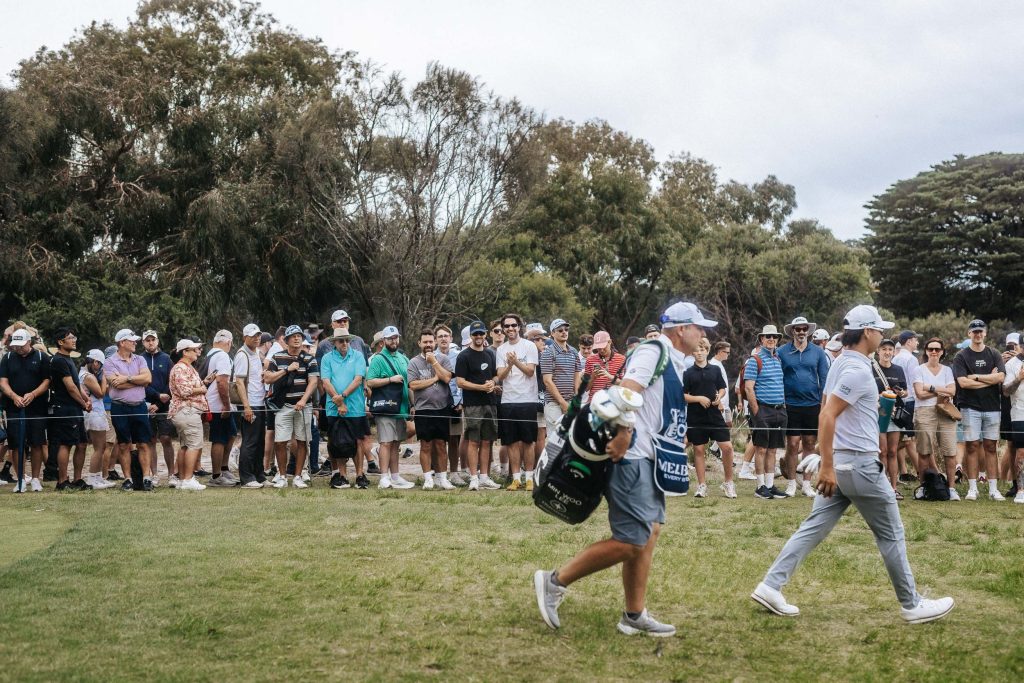
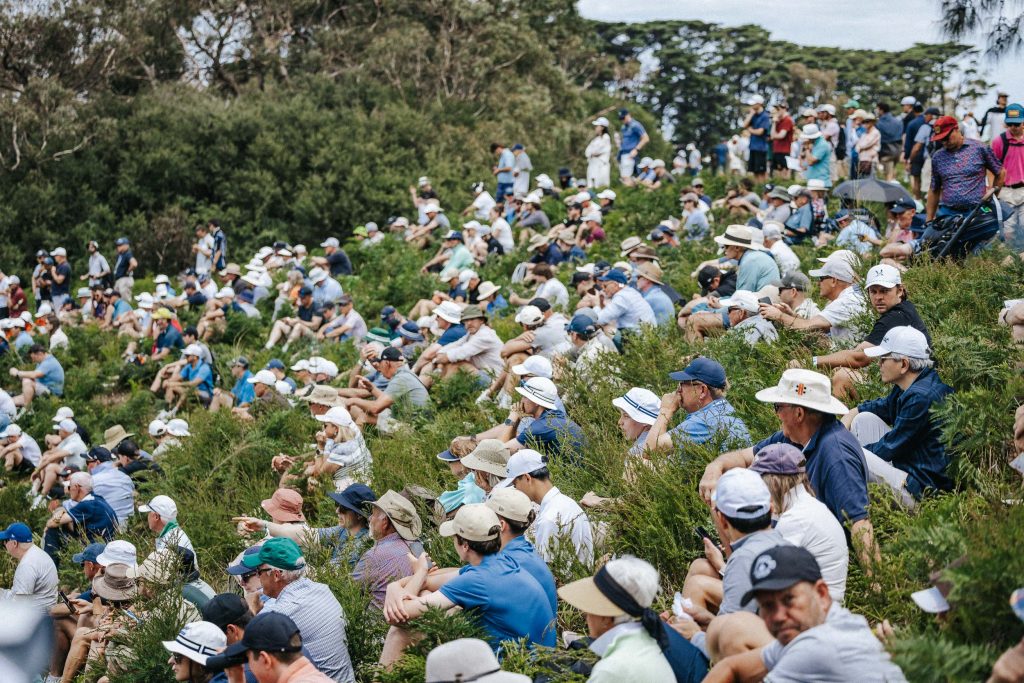
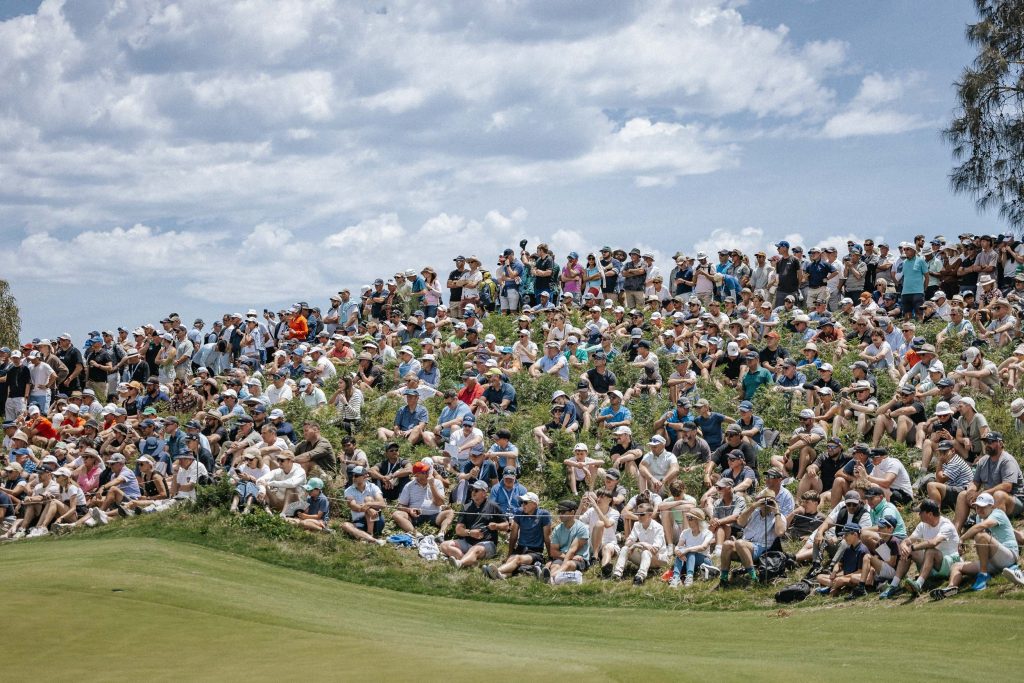
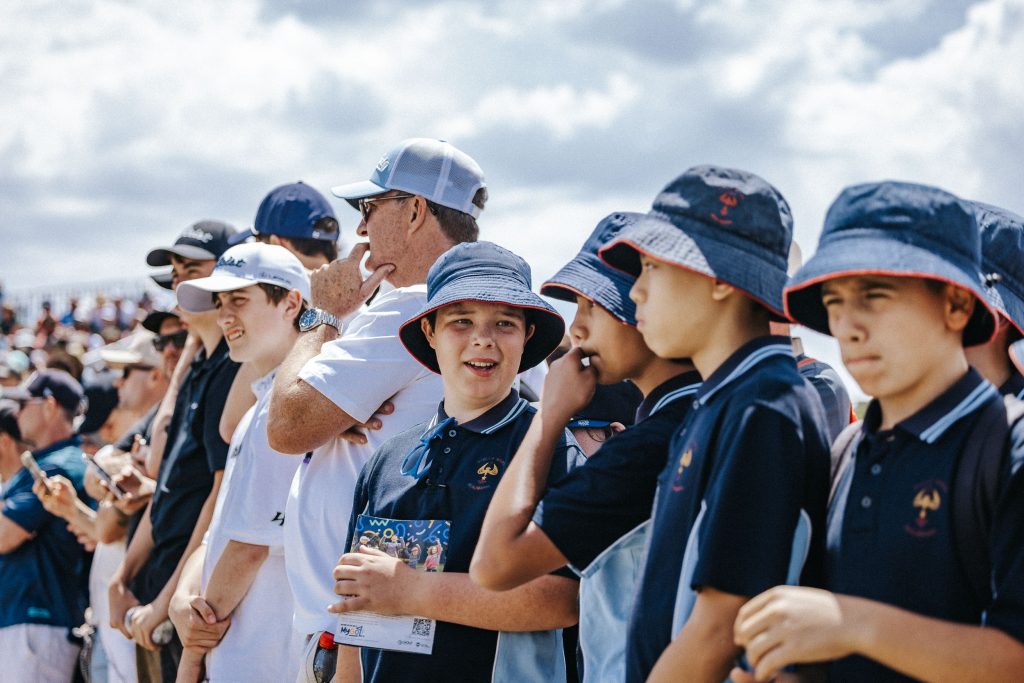
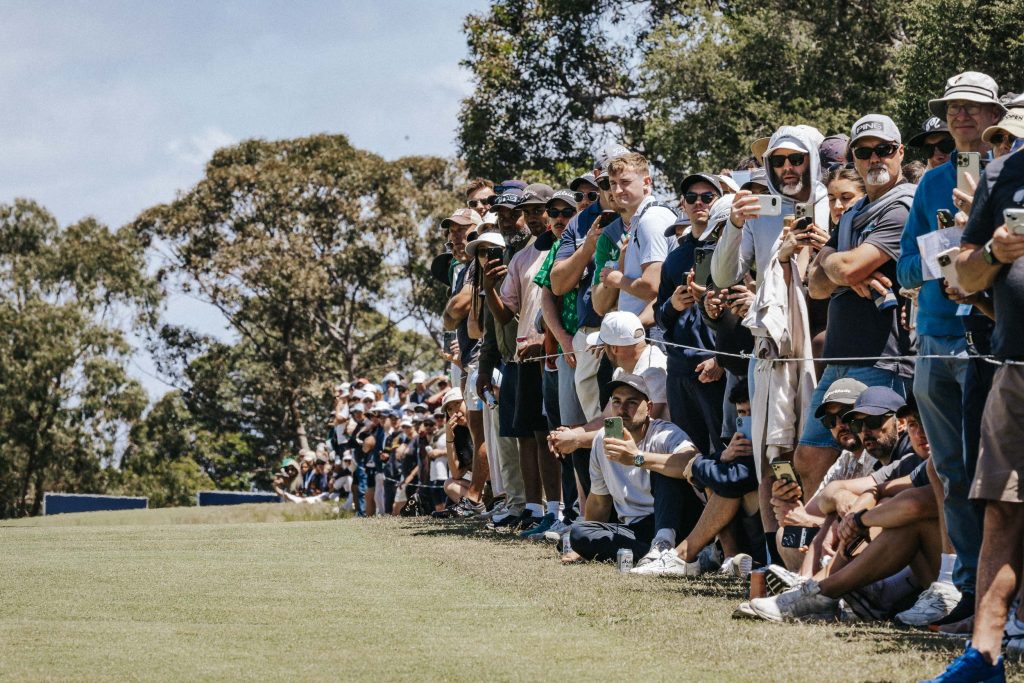
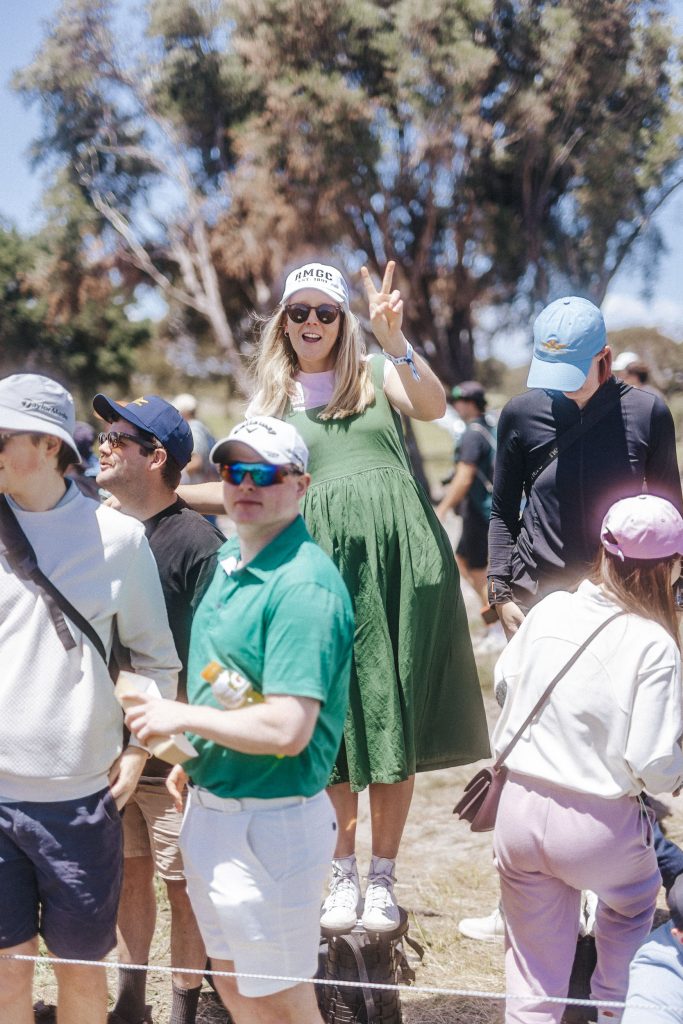
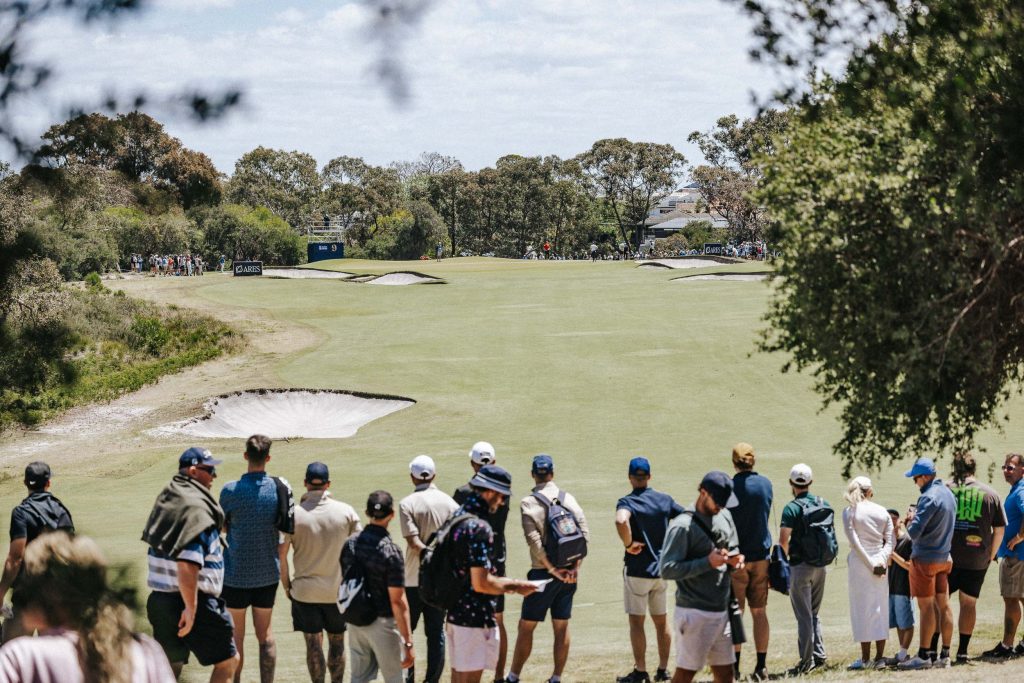
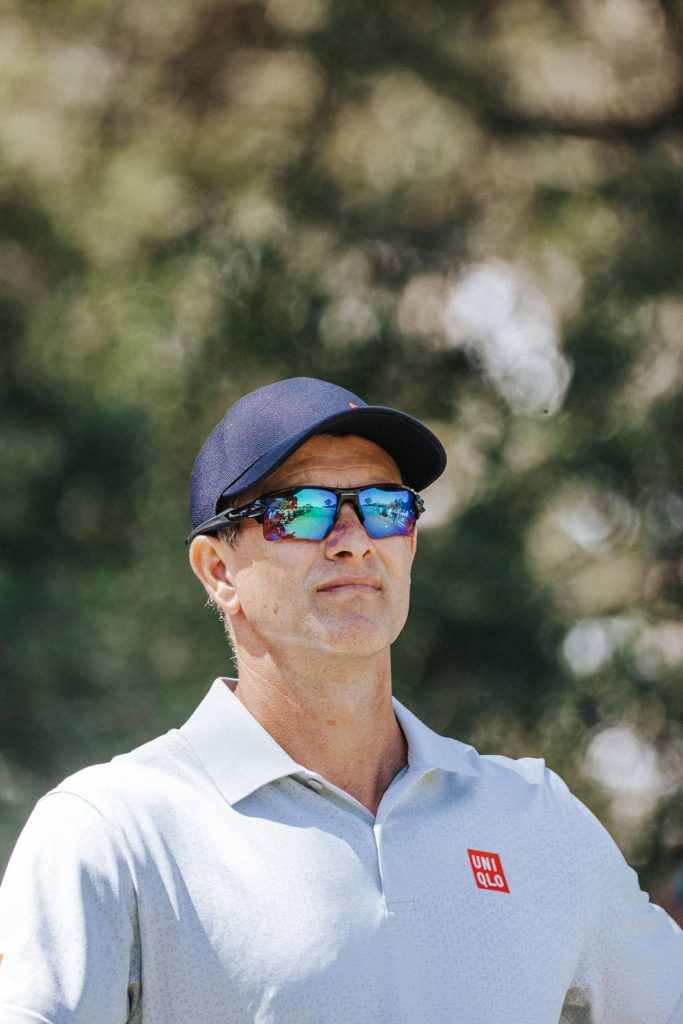
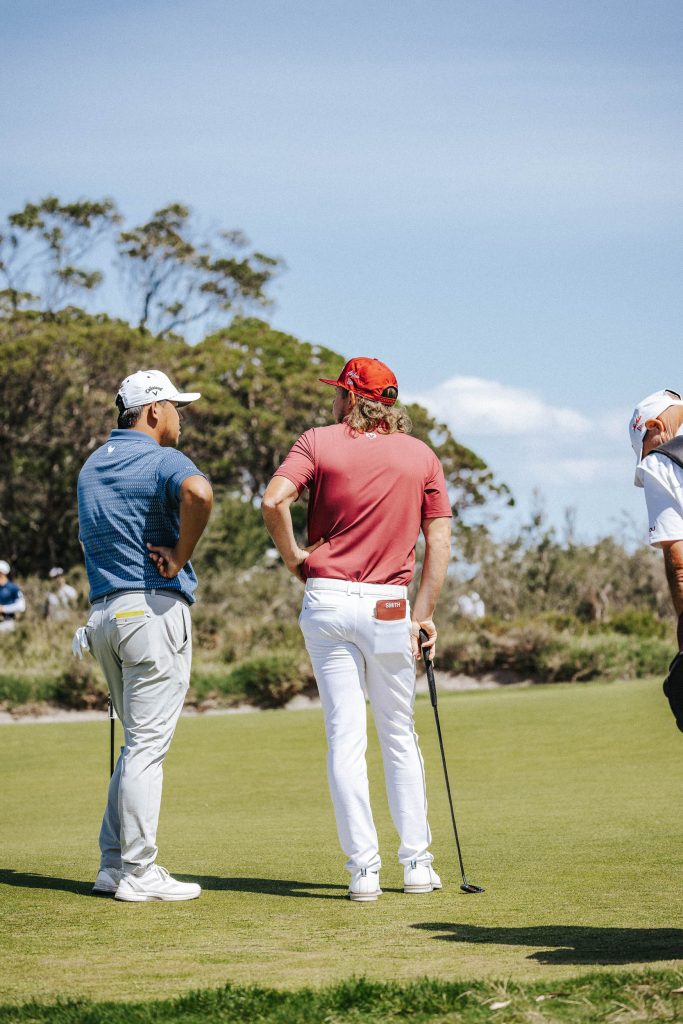
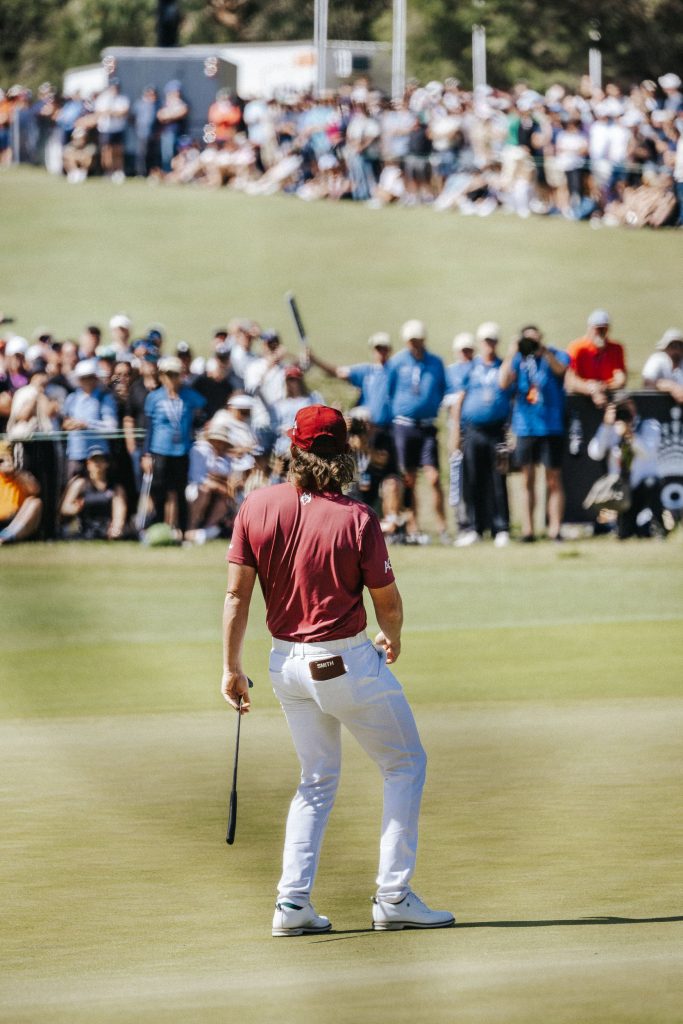
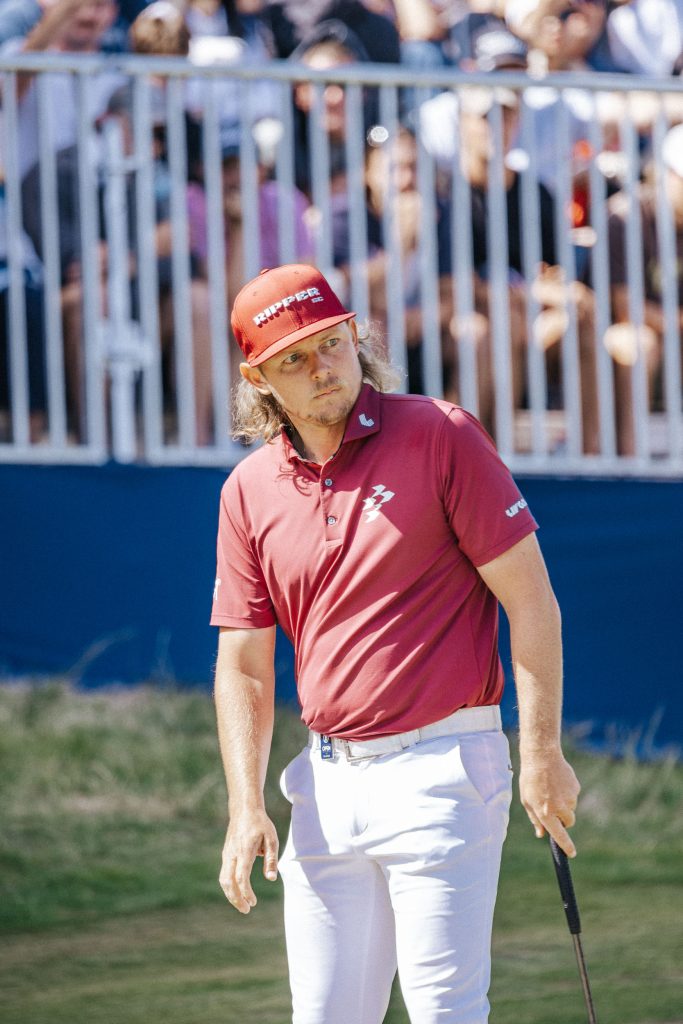
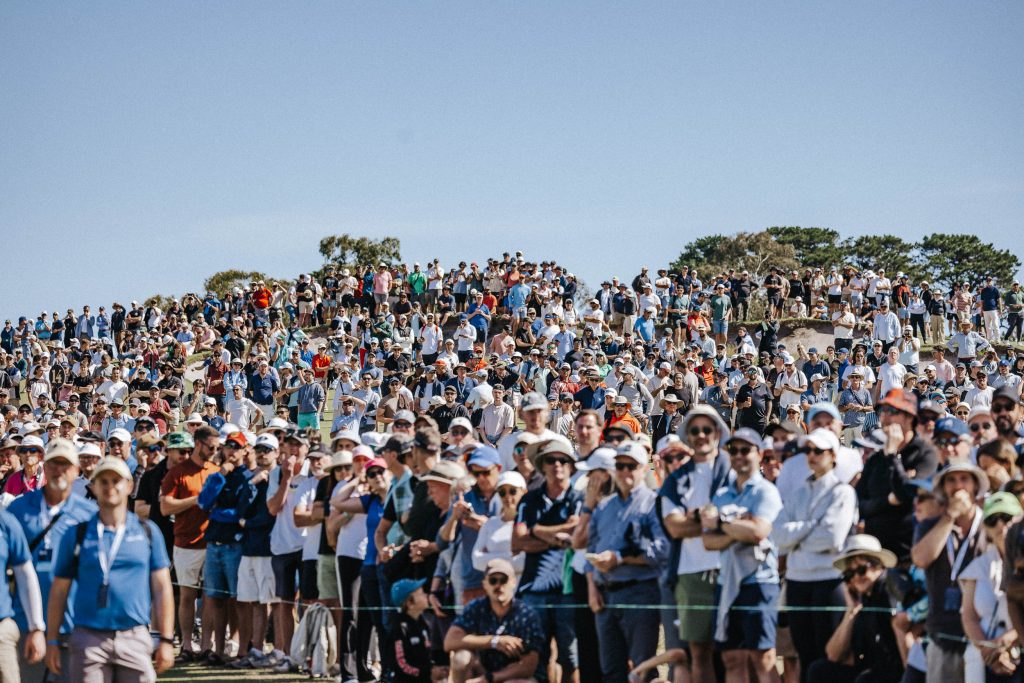
I caught Adam Scott and Cameron Smith on the putting green as the light came up, then followed the gathering crowd out to the 10th. Five thousand people at seven in the morning. For golf. In Melbourne. That alone told you something had shifted.

It was around this point I realised I’d forgotten to collect my inside-the-ropes armband. A small oversight that could have defined my week very differently. I retreated to the media centre, secured the band, and returned to the course with considerably better access to the action.
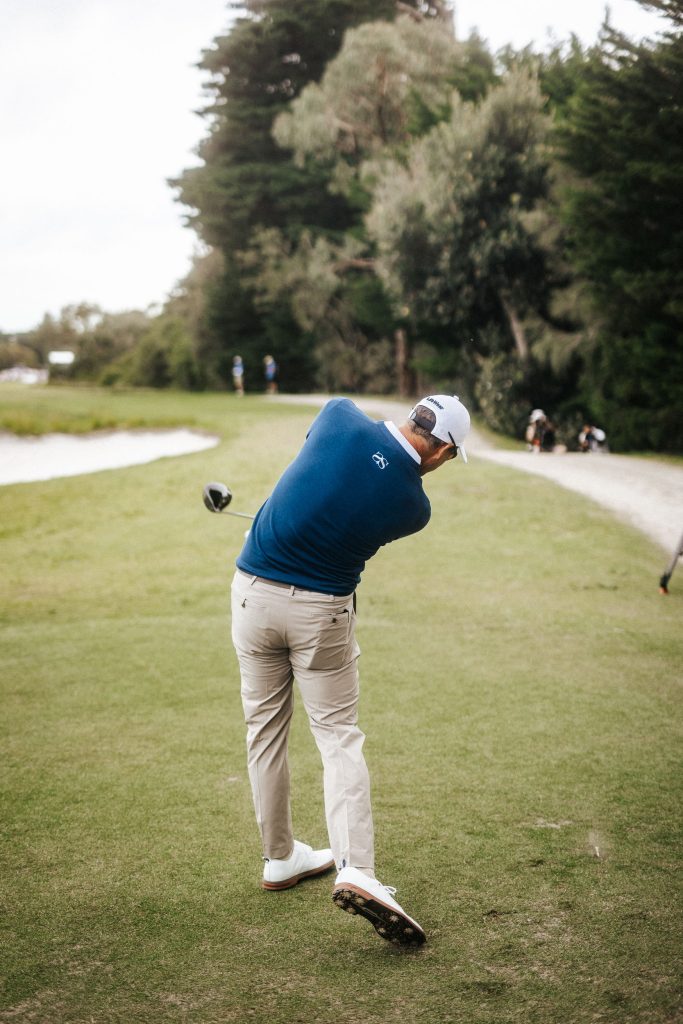
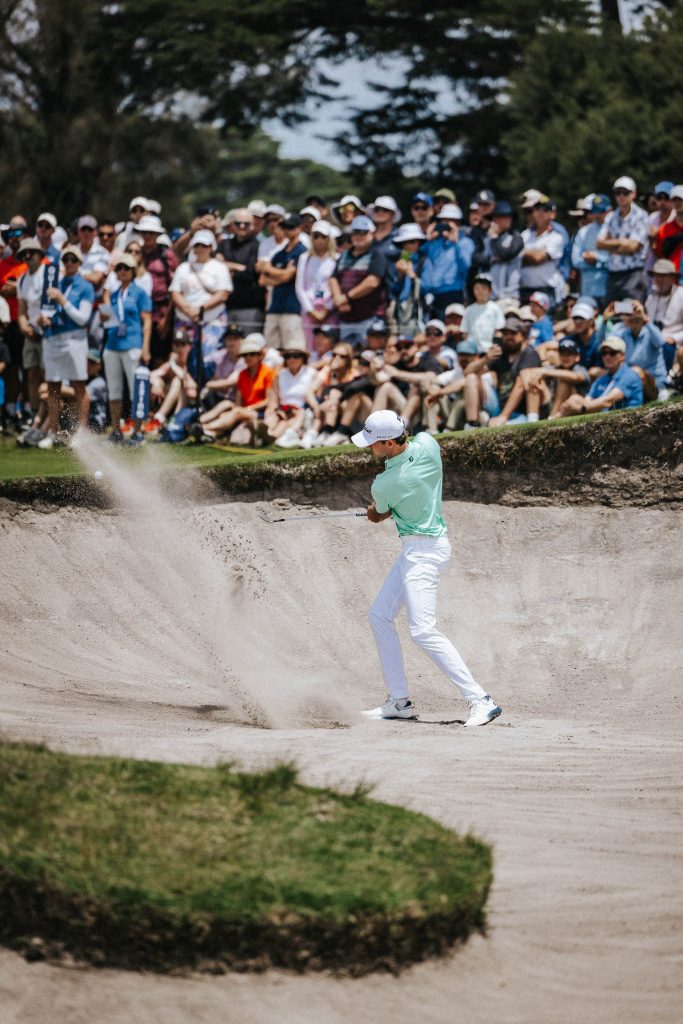
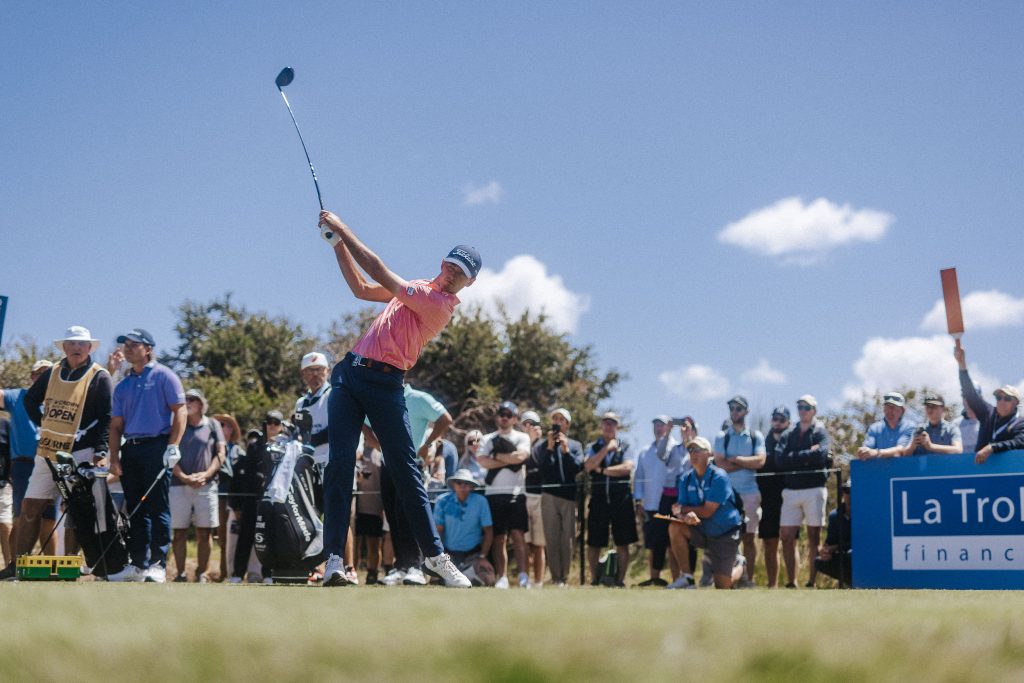
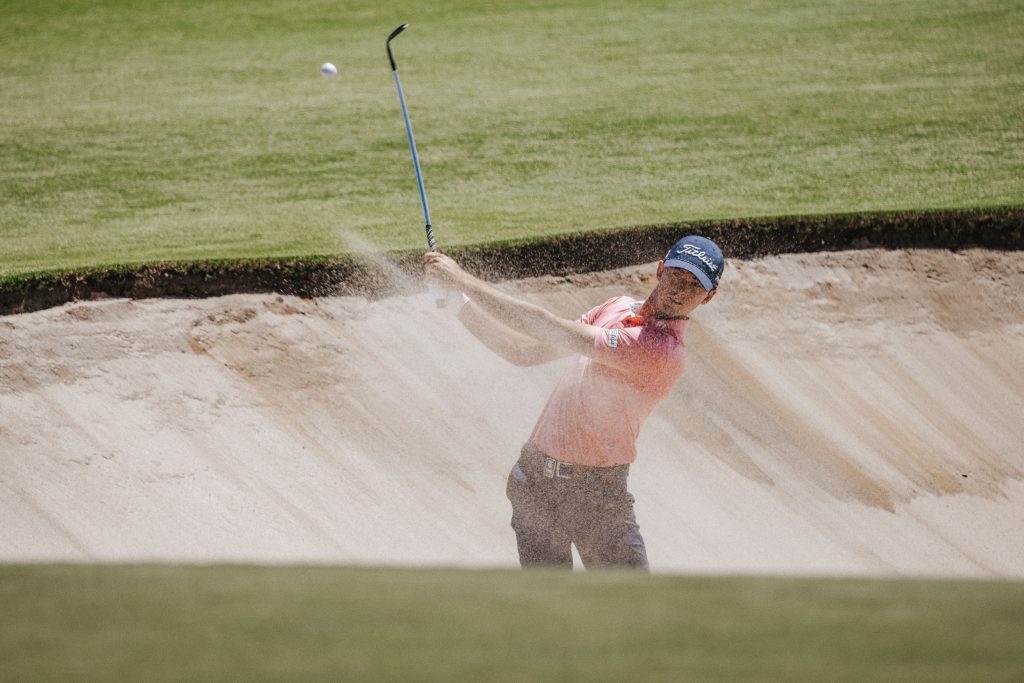
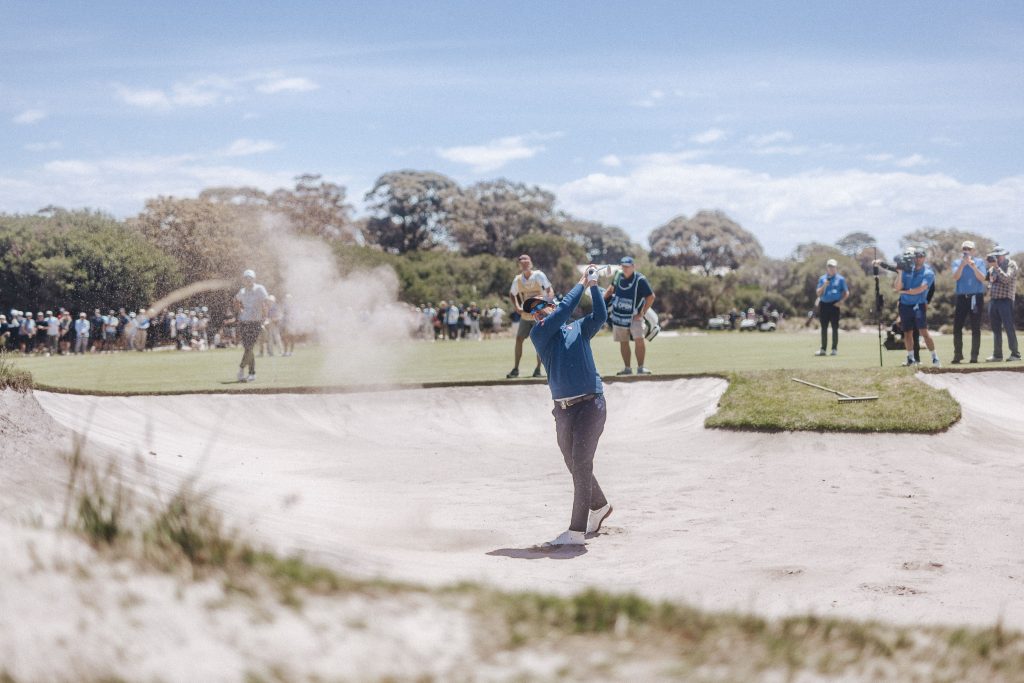
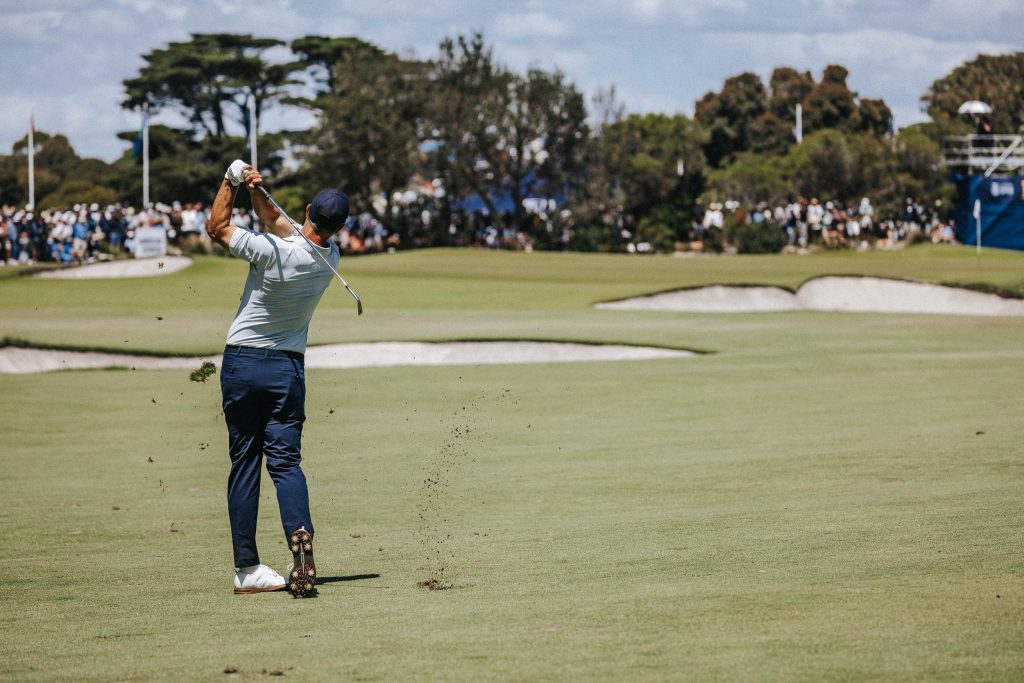
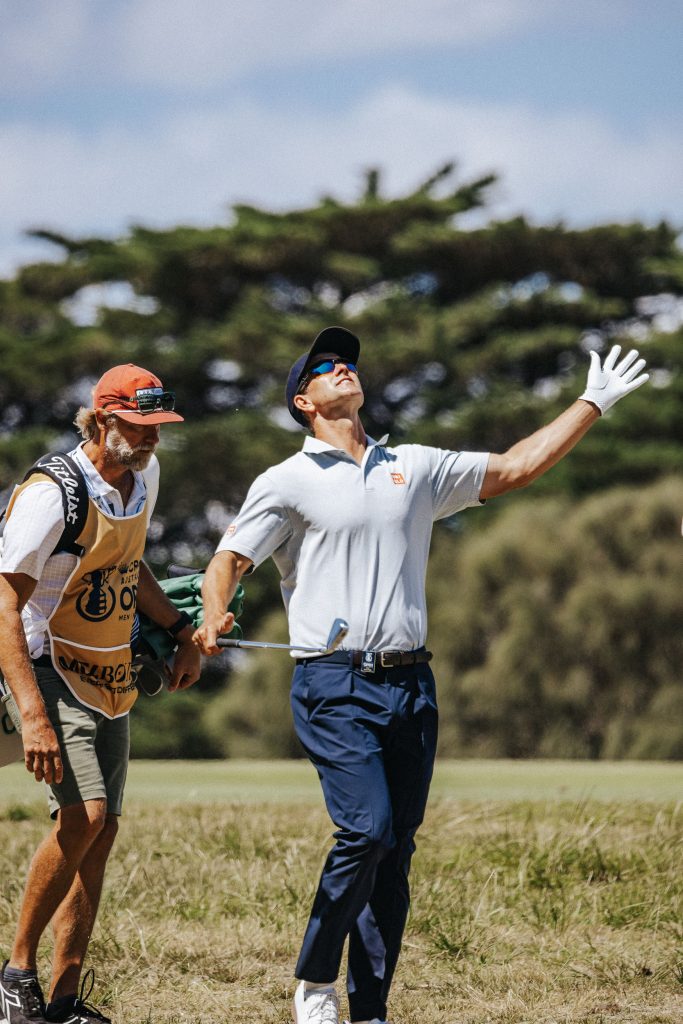
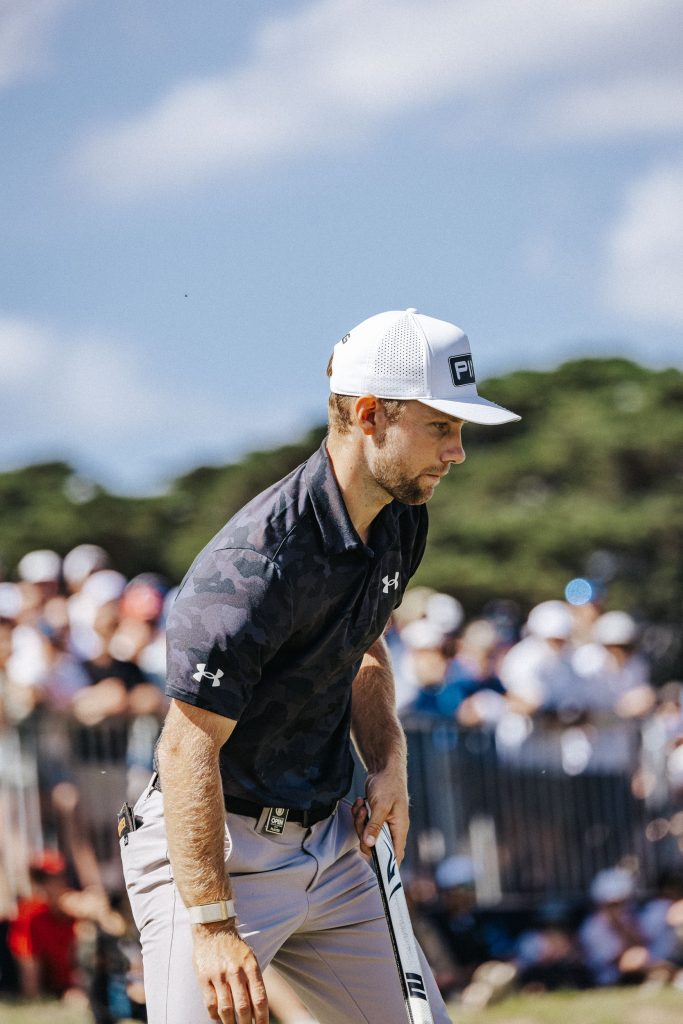
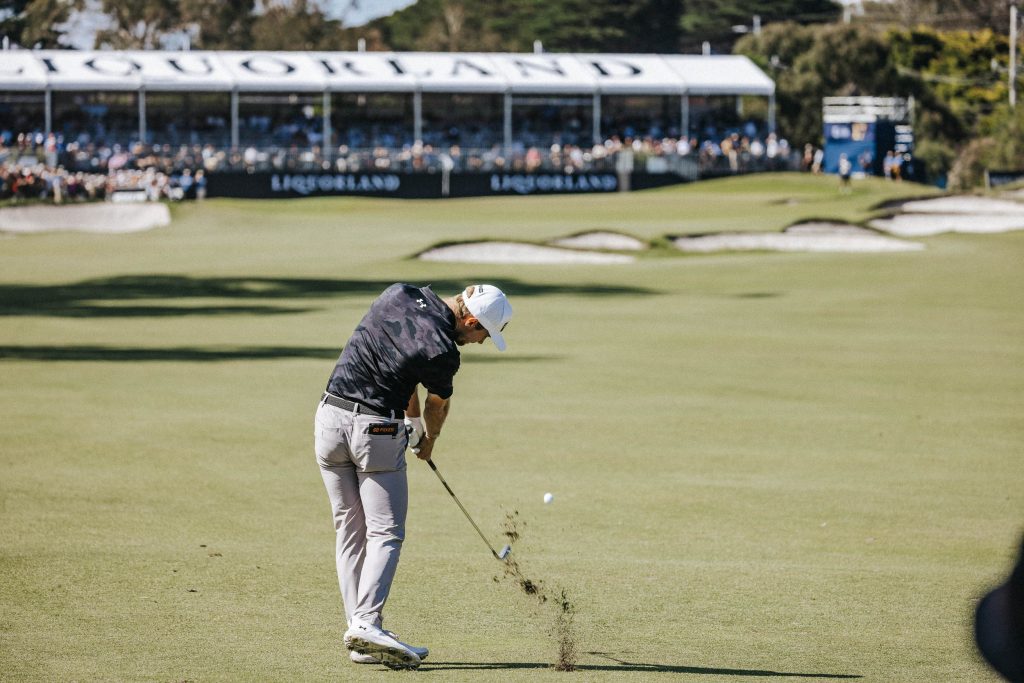
Tournament photography is not my usual mode. I’m more accustomed to waiting for light, composing shots of architecture and landscape, letting moments unfold slowly. This was different — rapid-fire settings, electronic shutters, hunting for split seconds. The last tournament I’d shot properly was the Presidents Cup in 2019, and camera technology had moved on considerably. Once I dialed in the settings, I found a rhythm to it, and a different kind of satisfaction in chasing decisive moments, rapid fire exposures and interesting angles.
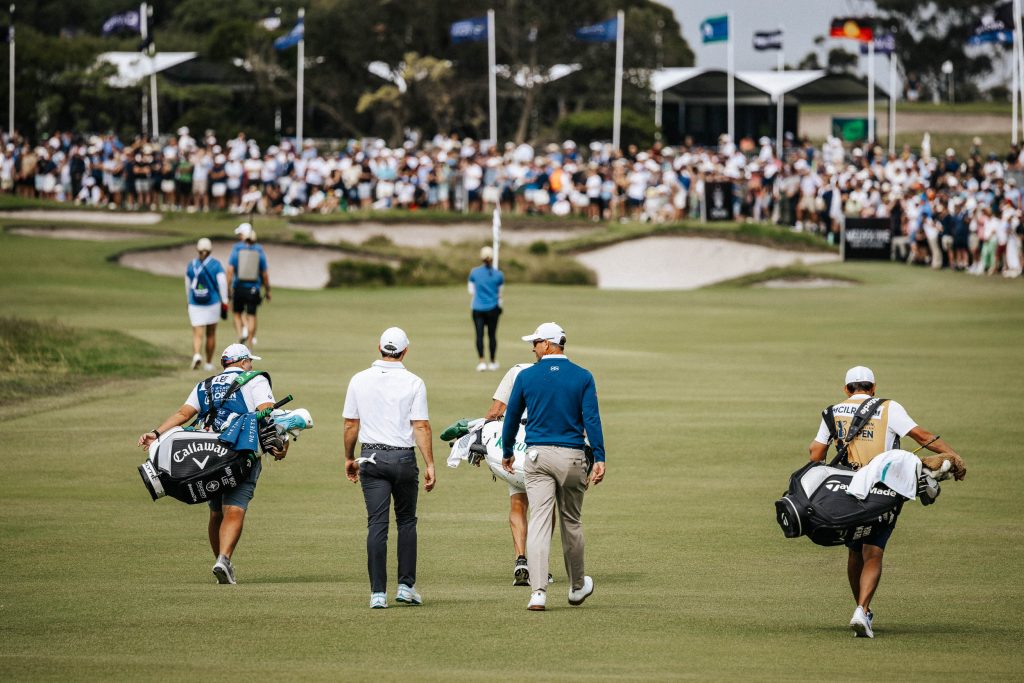
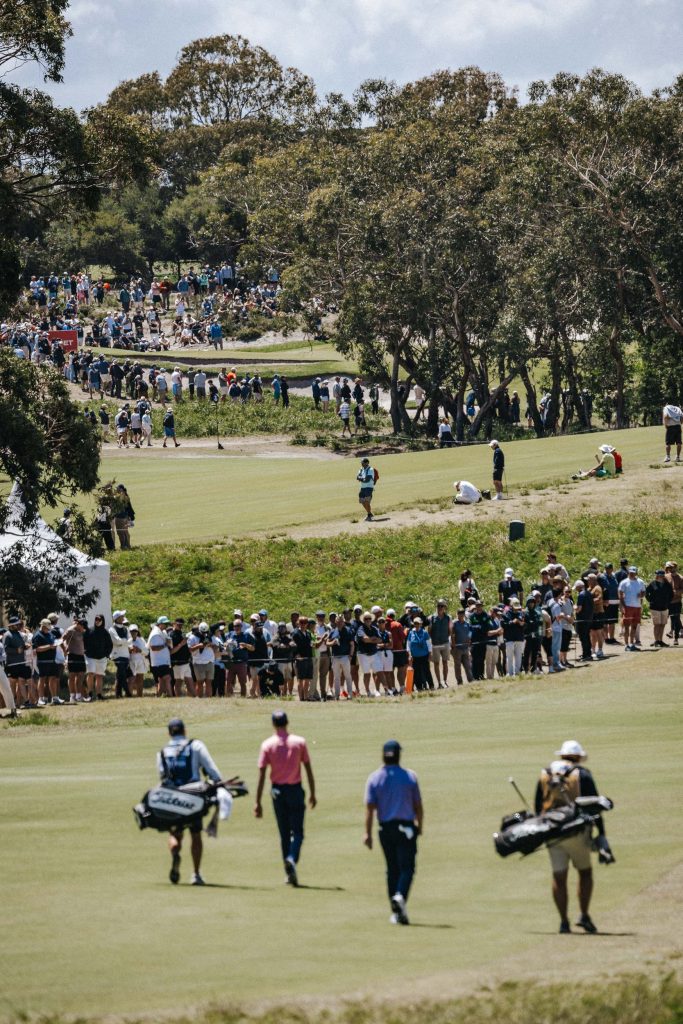
Final Australian Open Preparations at Royal Melbourne on Thursday Morning

I quickly re-learned the tournament photography approach by watching the experienced photographers work. Stuart Kerr was generous with quiet guidance, helping me stay out of everyone’s way while the pack moved around the course. There’s an etiquette to it, an unwritten choreography, and I was grateful to draft off those who knew the steps.

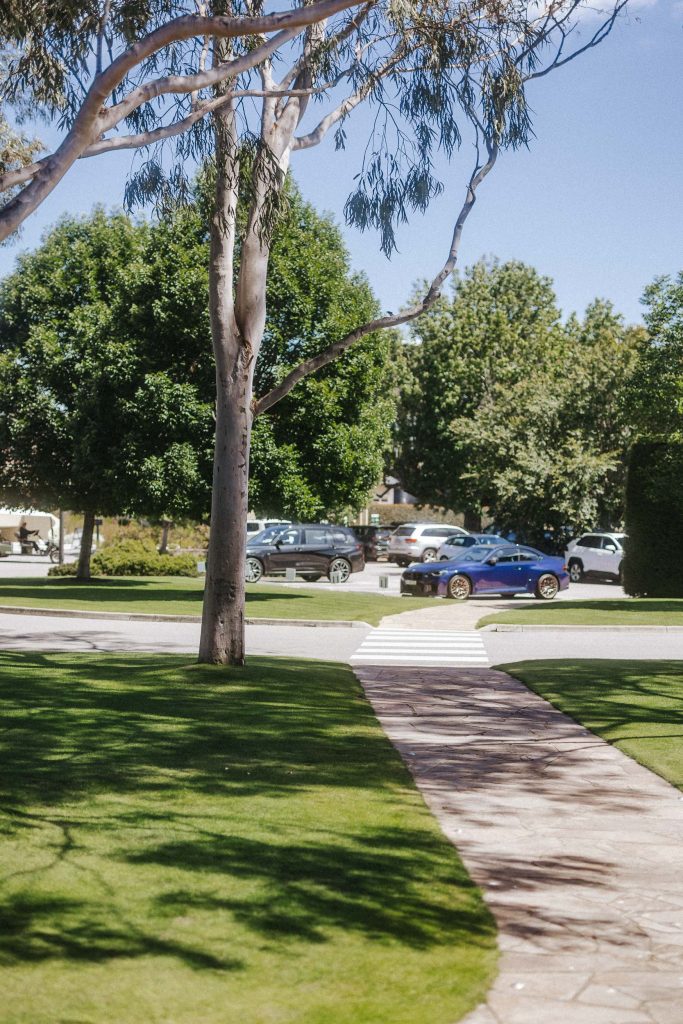
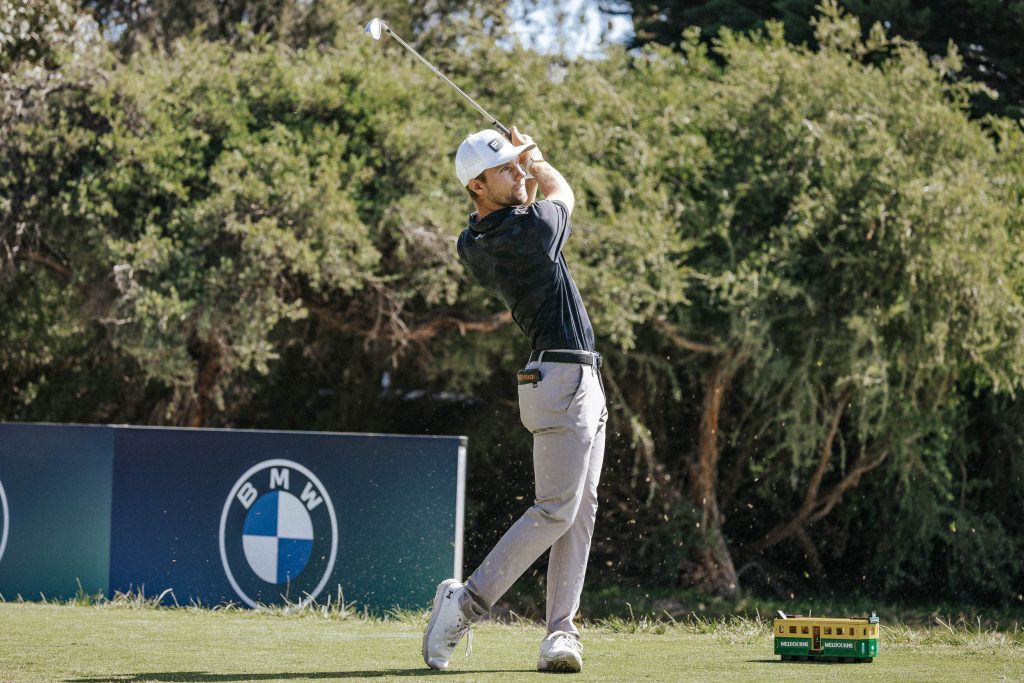
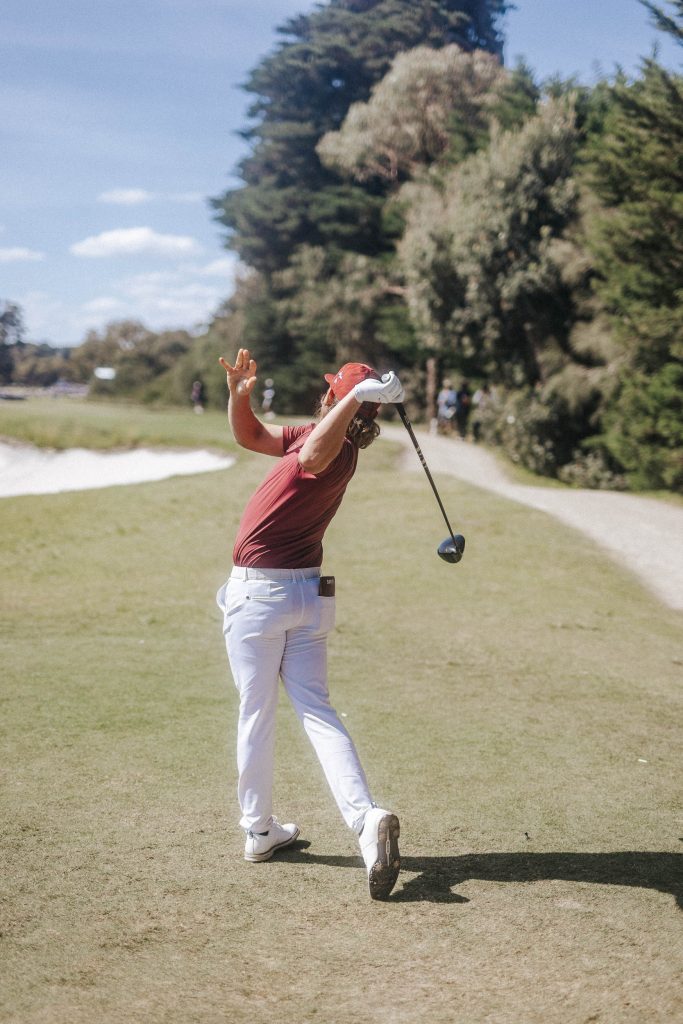
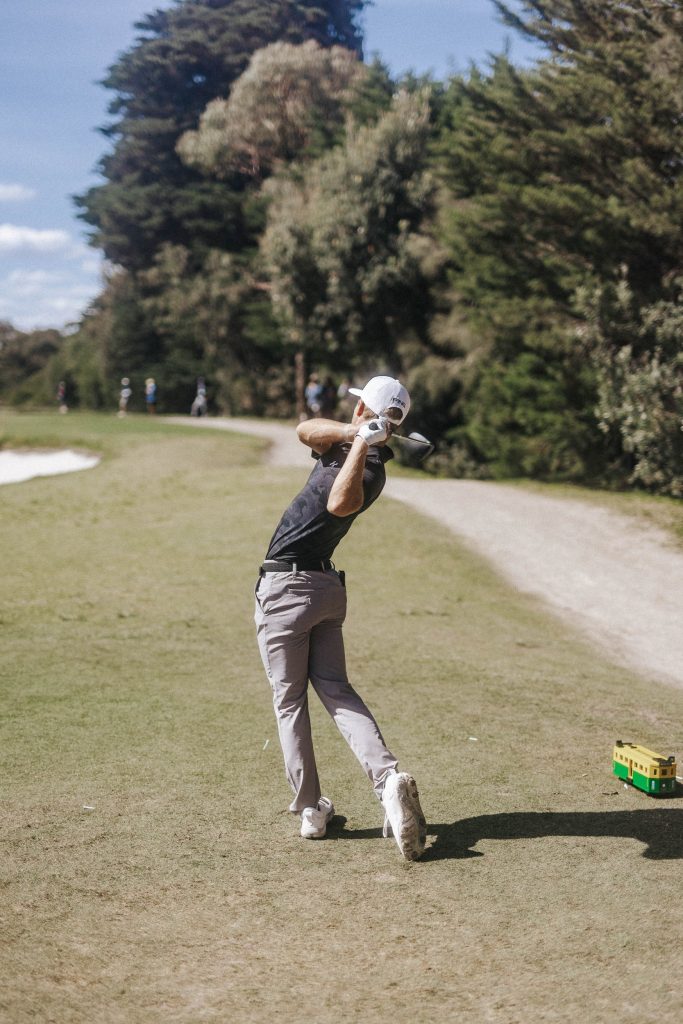
Thursday and Friday were about finding my feet, following groups, experimenting with angles and timing. I had deliverables for BMW — Shift Magazine work that required specific shots at the 16th where their hole-in-one car sat gleaming — and kept an eye on Elvis Smylie, one of their ambassadors and a compelling subject regardless of commercial obligations.

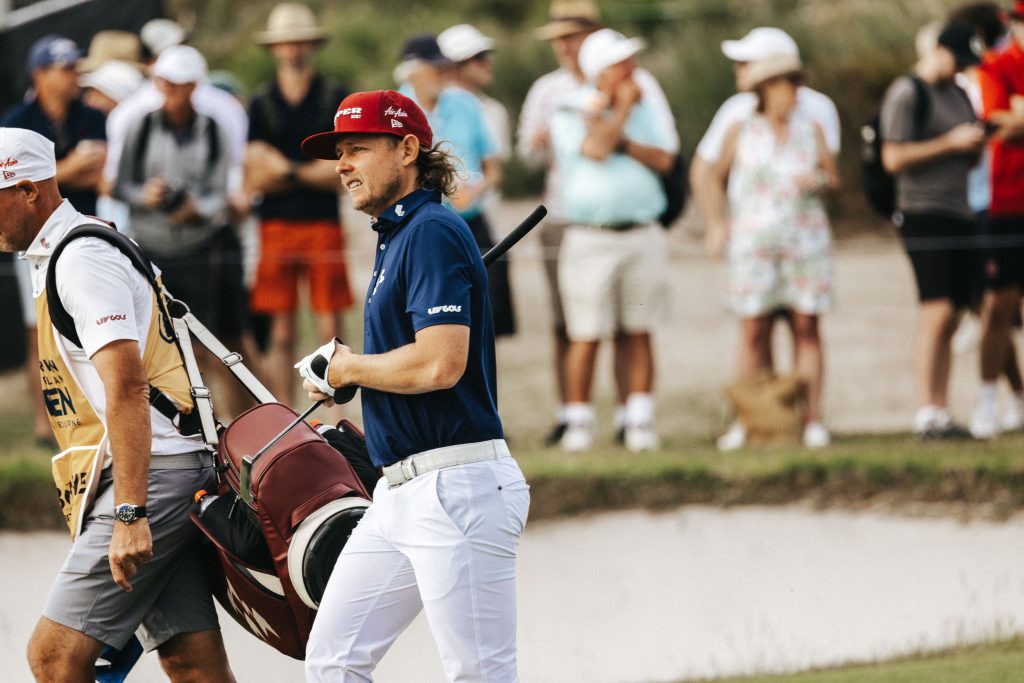
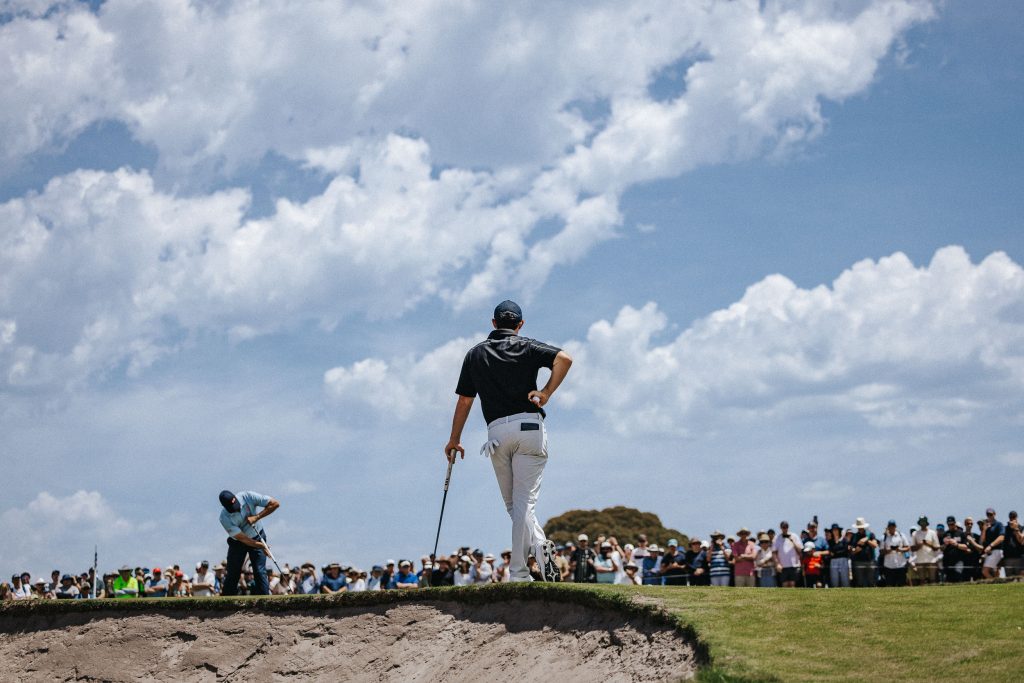
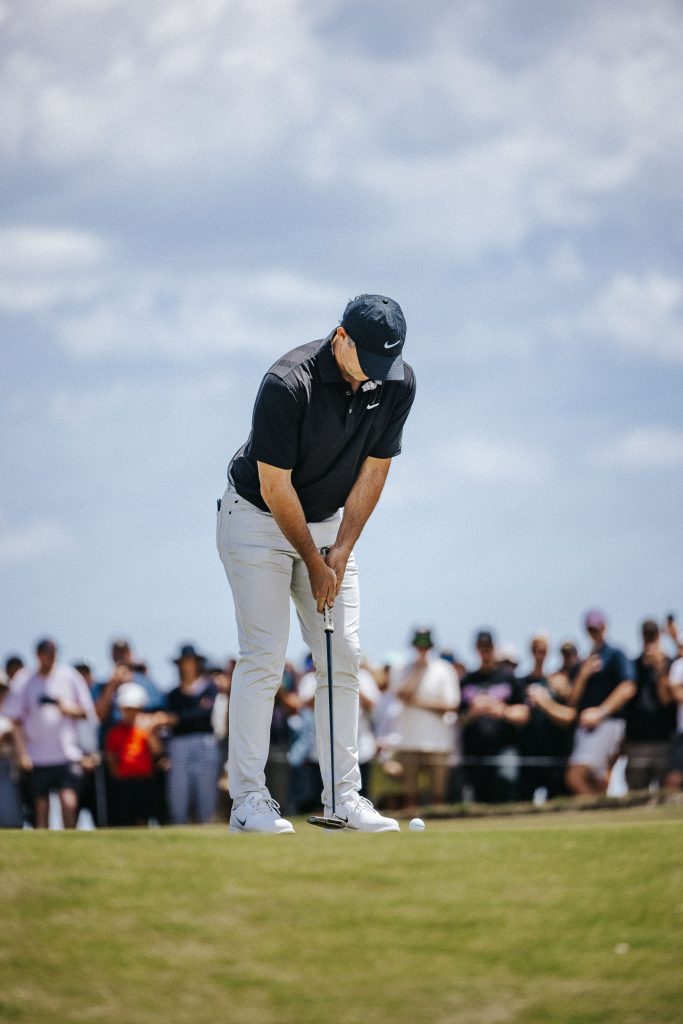
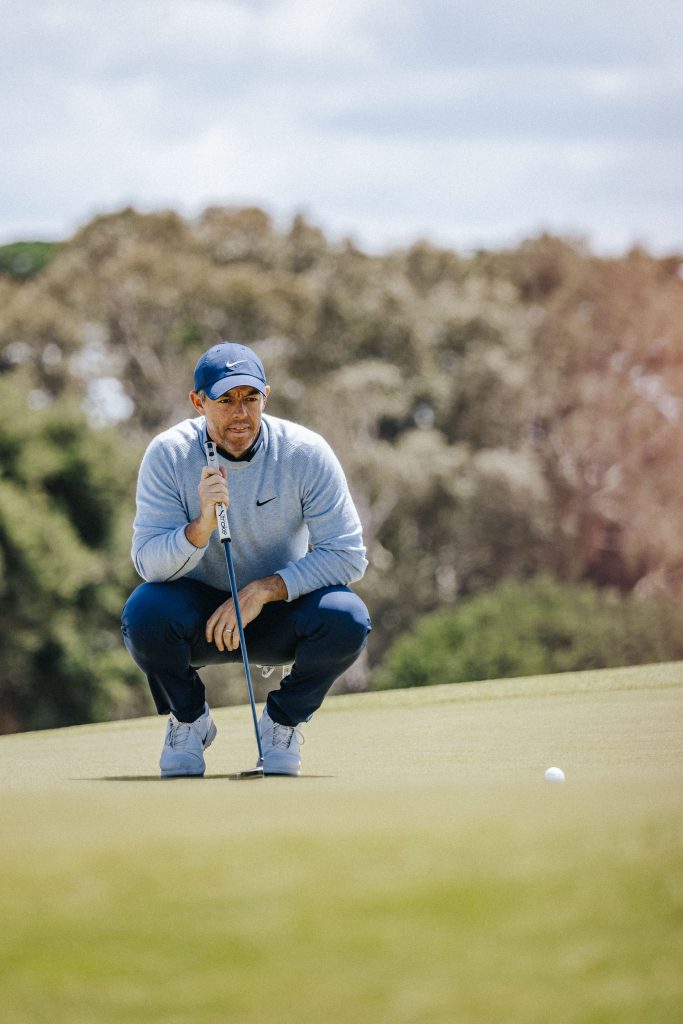
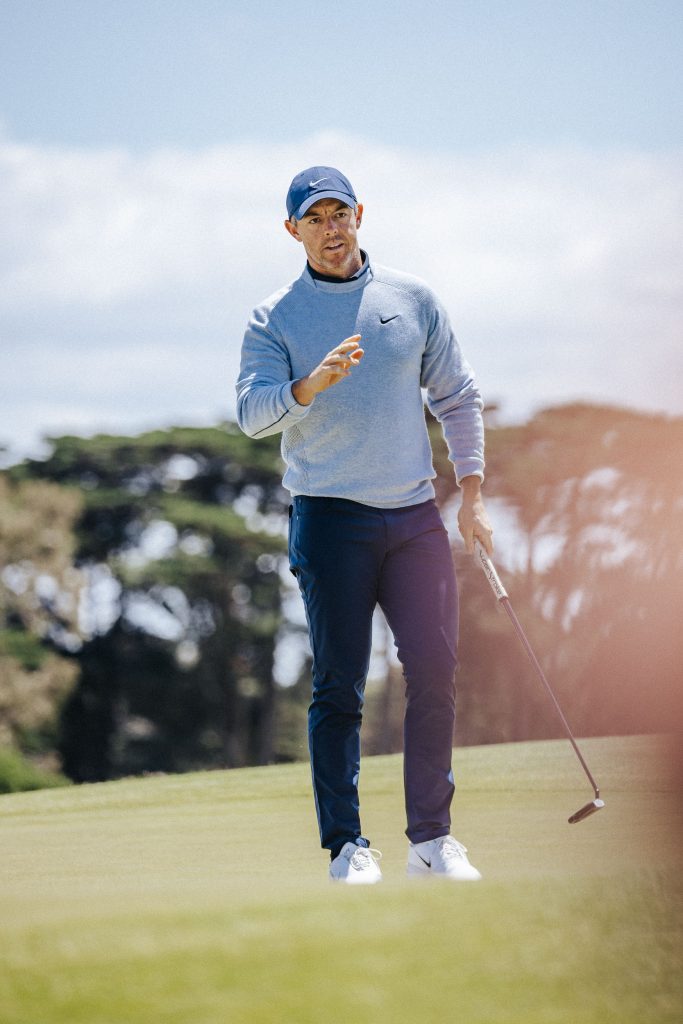
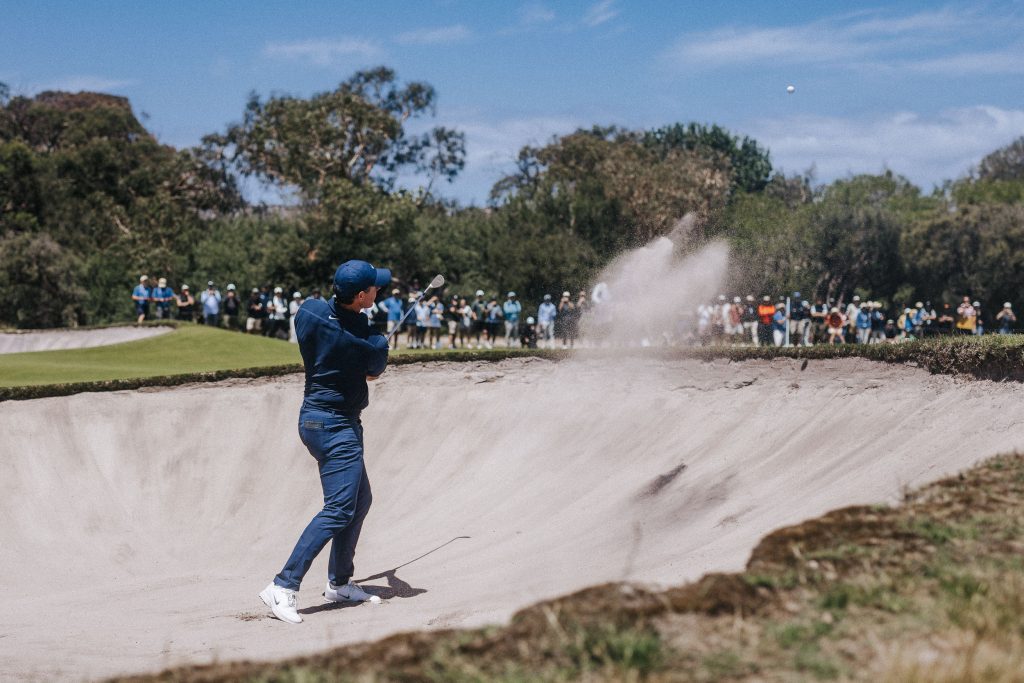
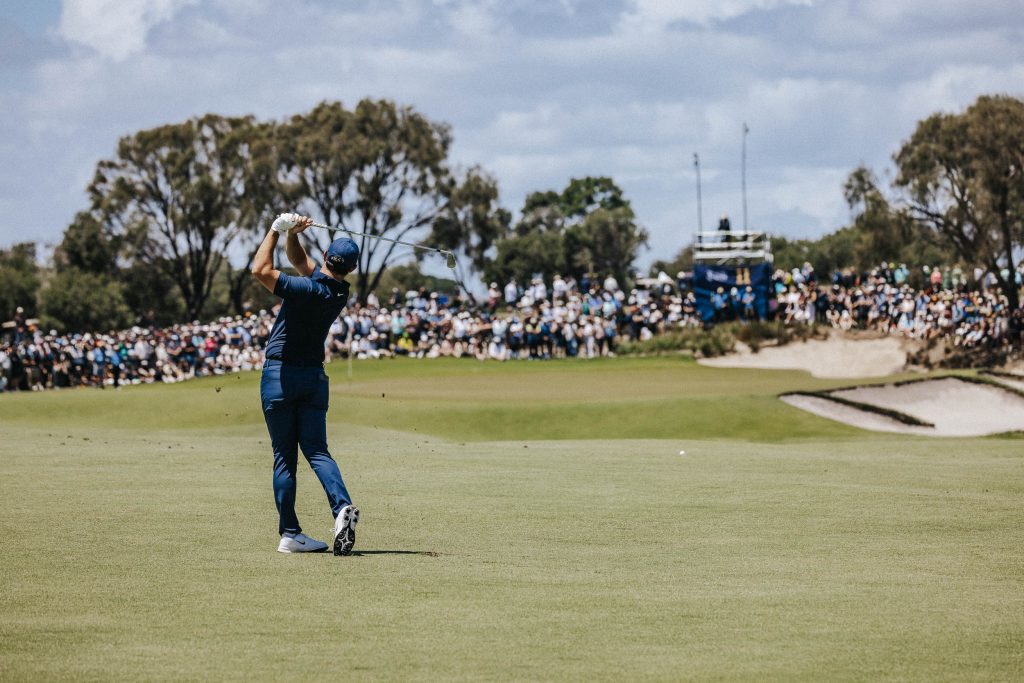
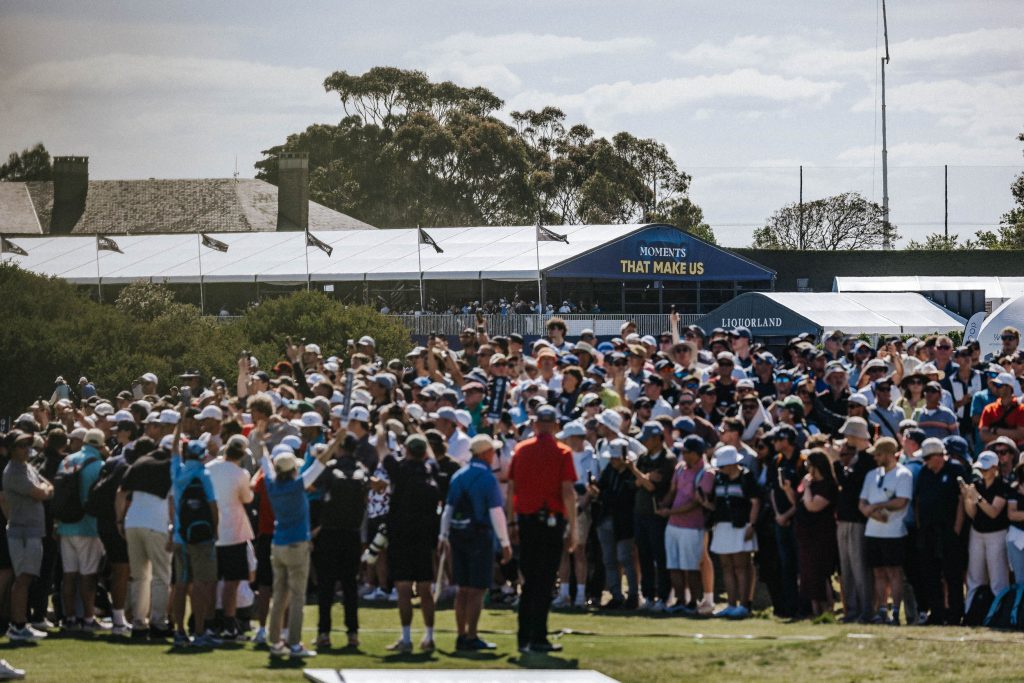
By Sunday, the focus changed. Early rounds reward patience and wandering; finals day demands you pick your story. I followed Rory for a few holes — he may never play another Open at Royal Melbourne, and I wanted the images — but eventually the leaderboard dictated movement. You watch where the photographer pack drifts, listen for the cheers rippling across the course, and try to position yourself for the moments that will define the tournament. Hearing a roar from a neighboring hole is a sinking feeling, one that got away, but you can’t be everywhere at once.

Hearing a roar from a neighboring hole is a sinking feeling, one that got away, but you can't be everywhere at once.

Tournament Play

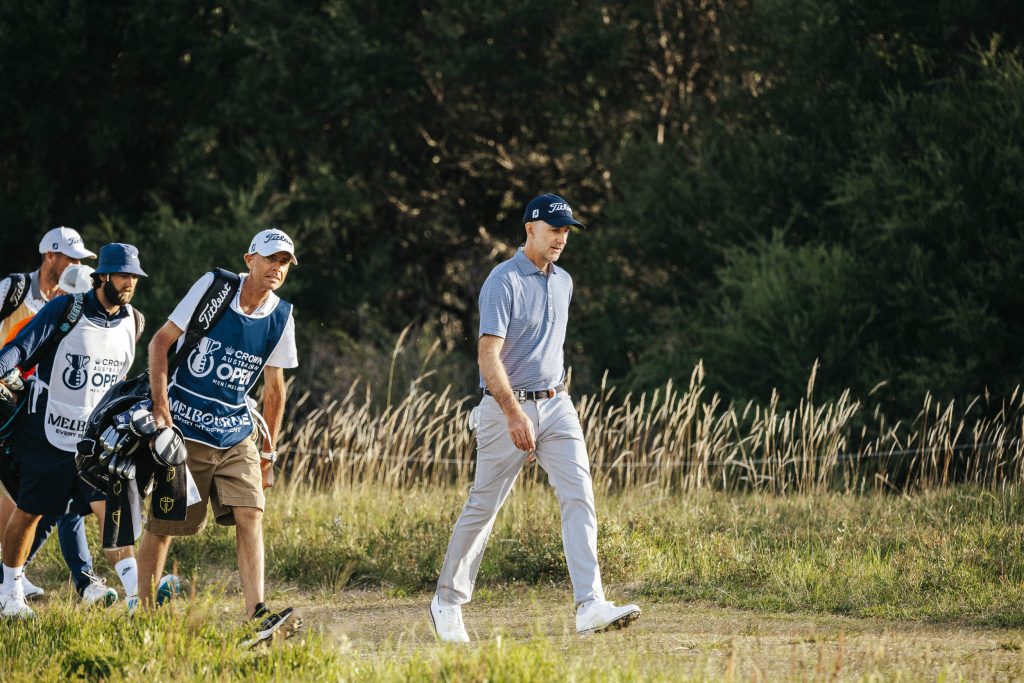
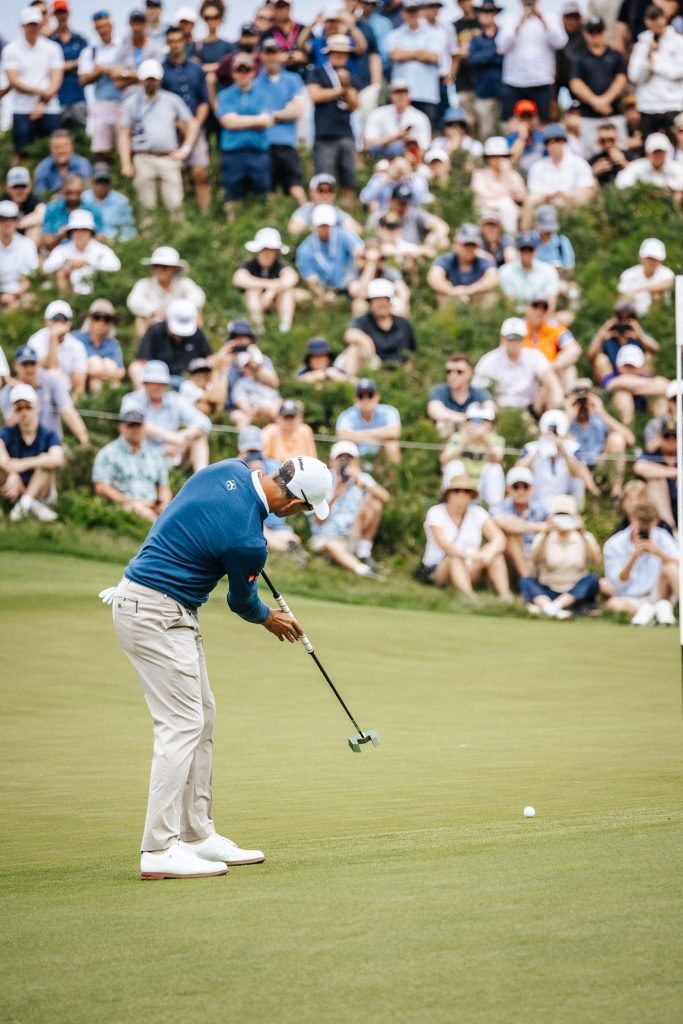
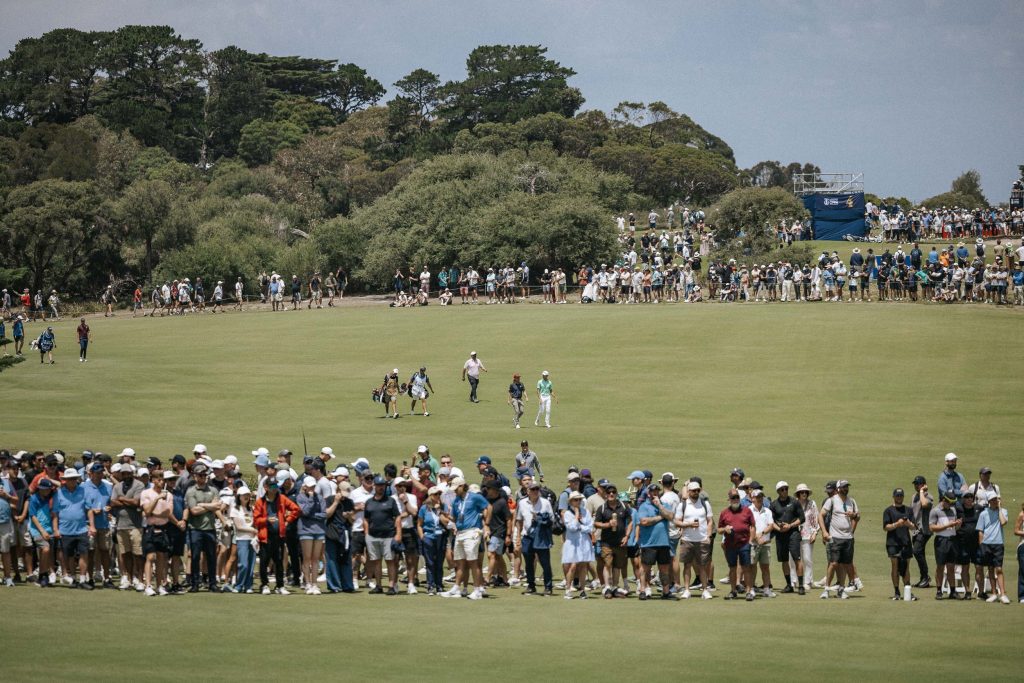
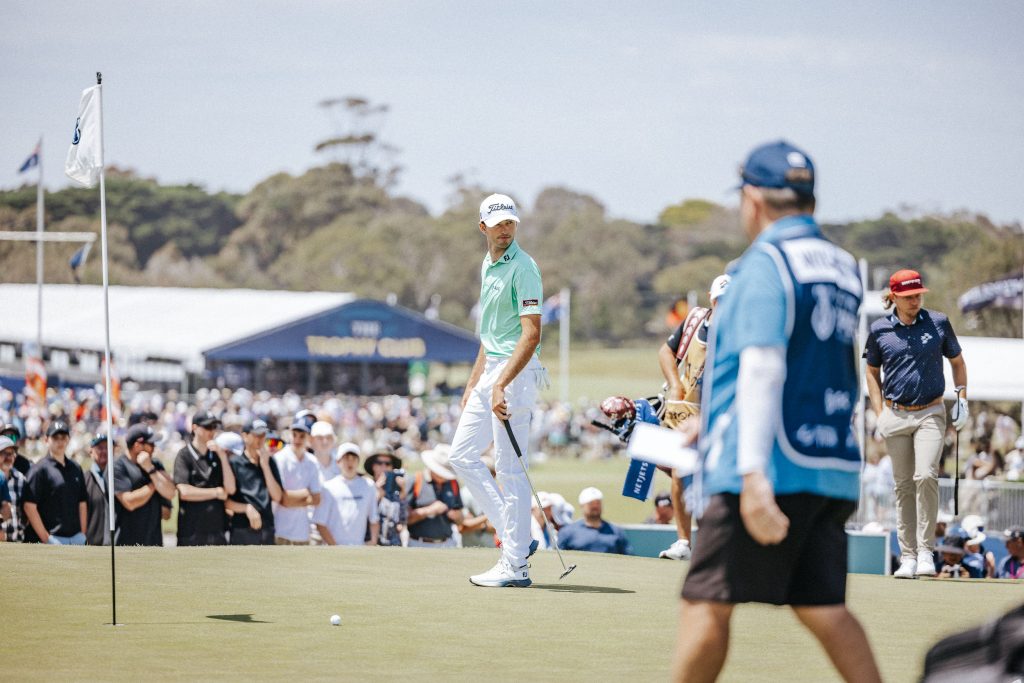
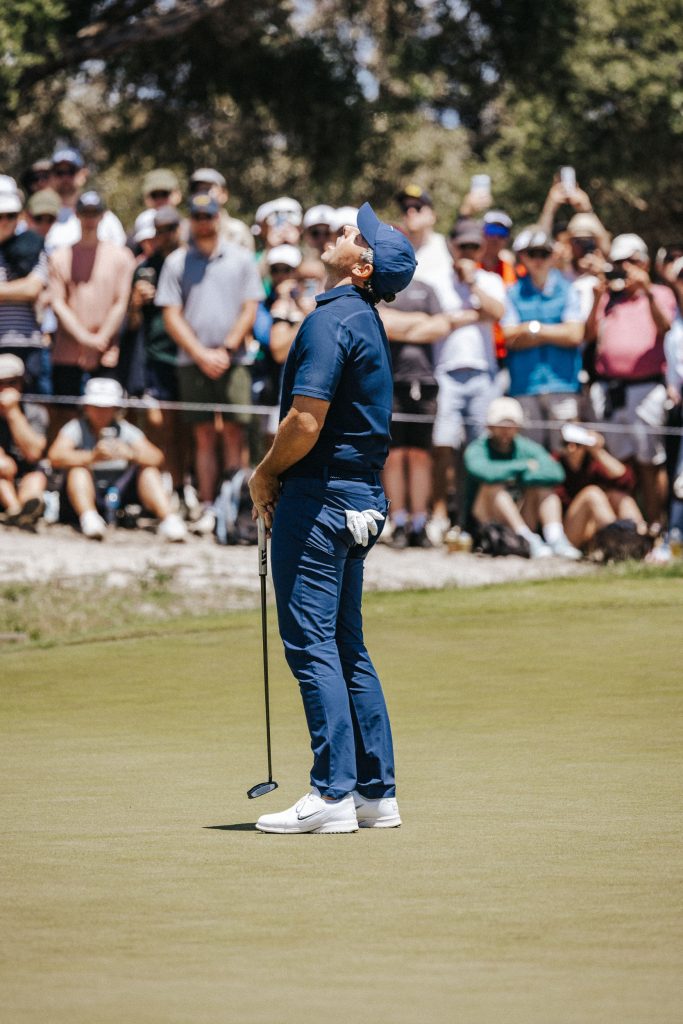
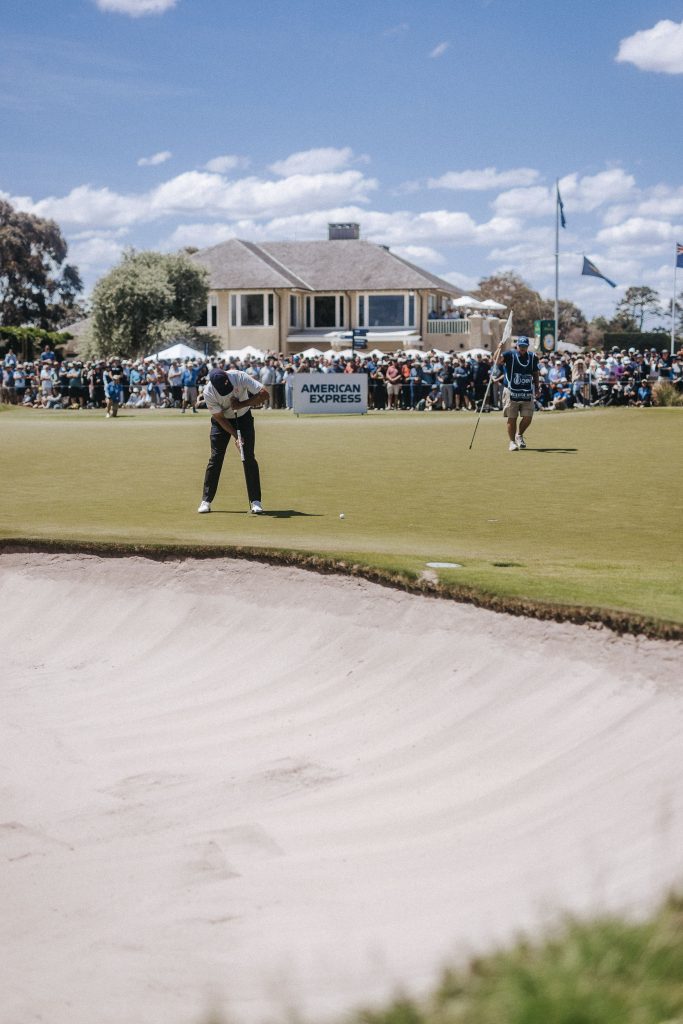
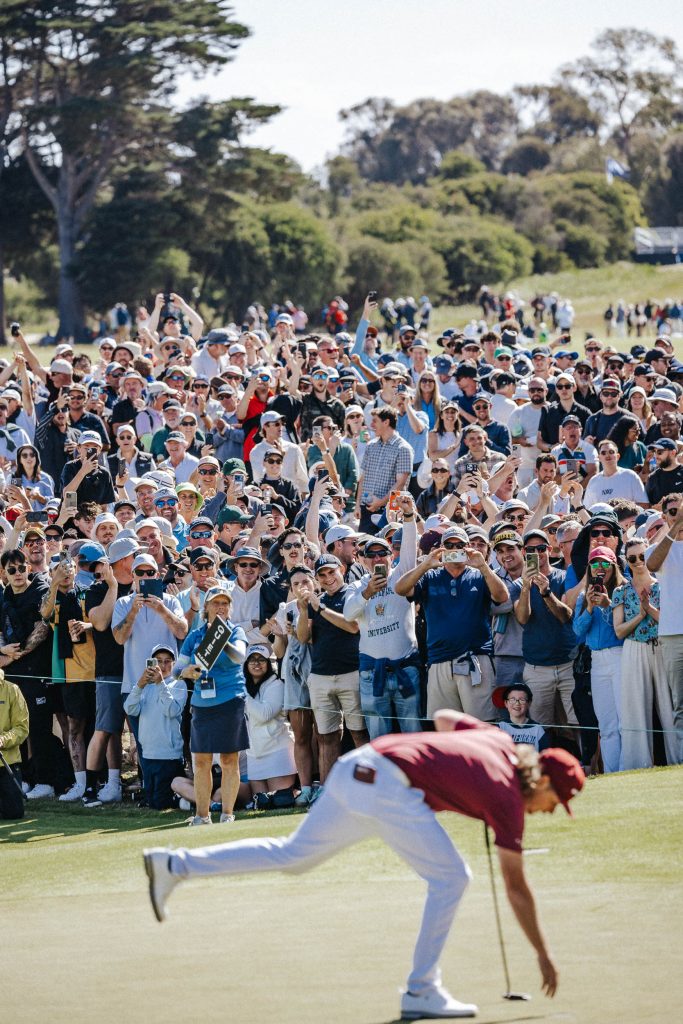
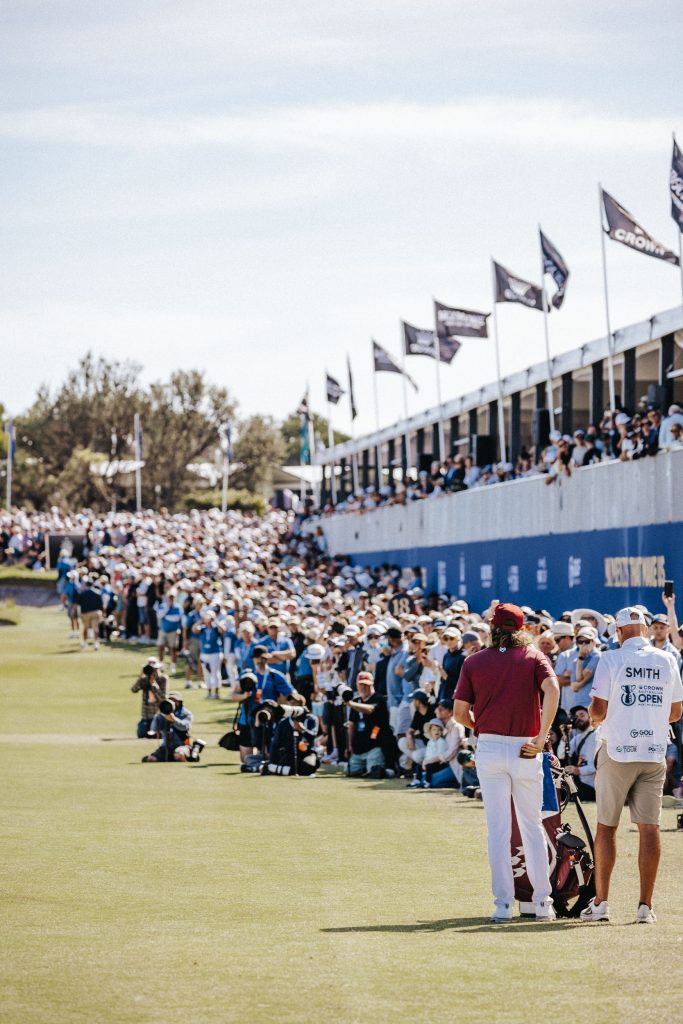
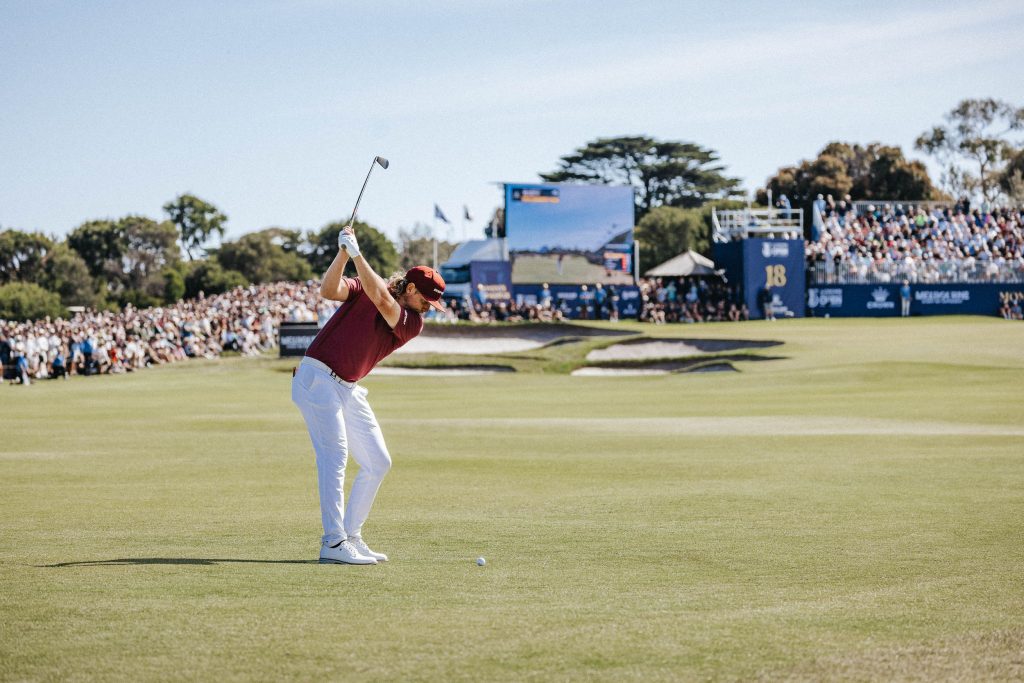
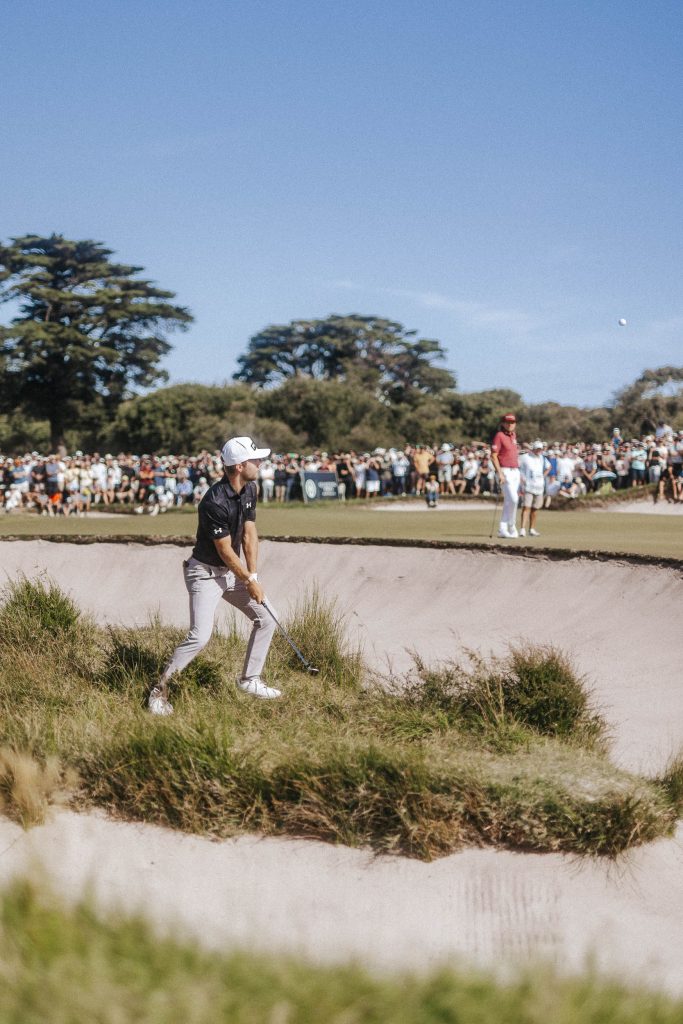
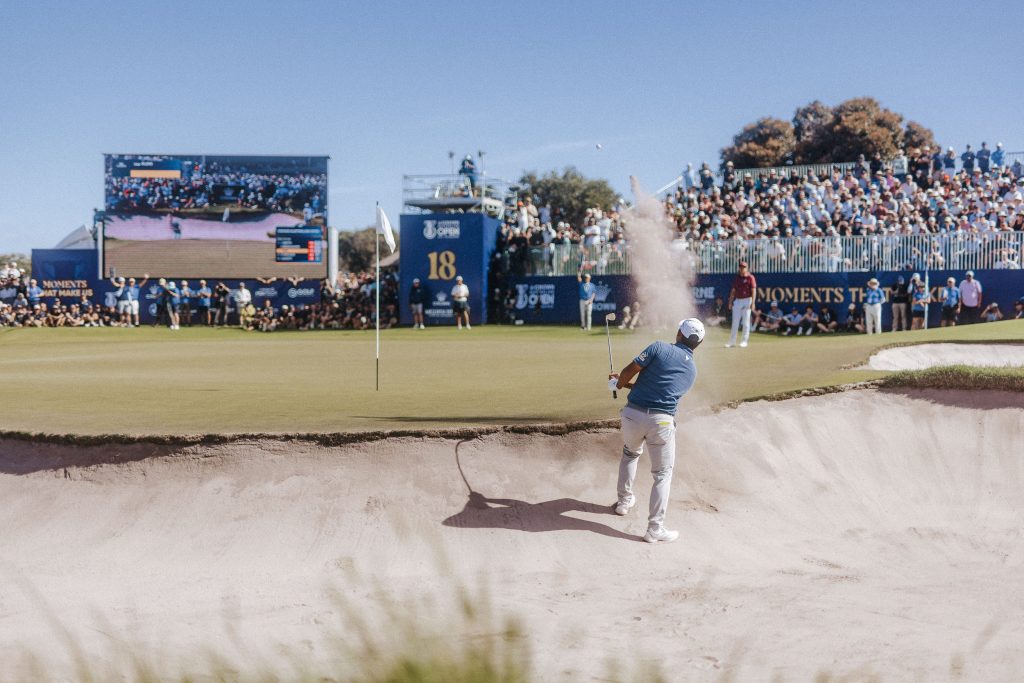
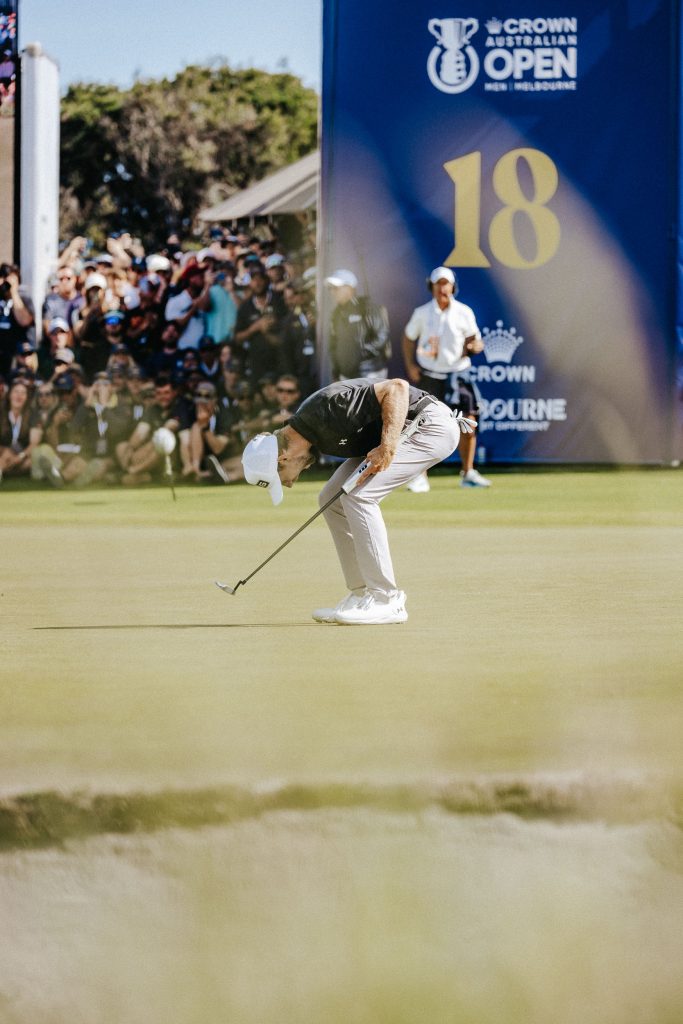
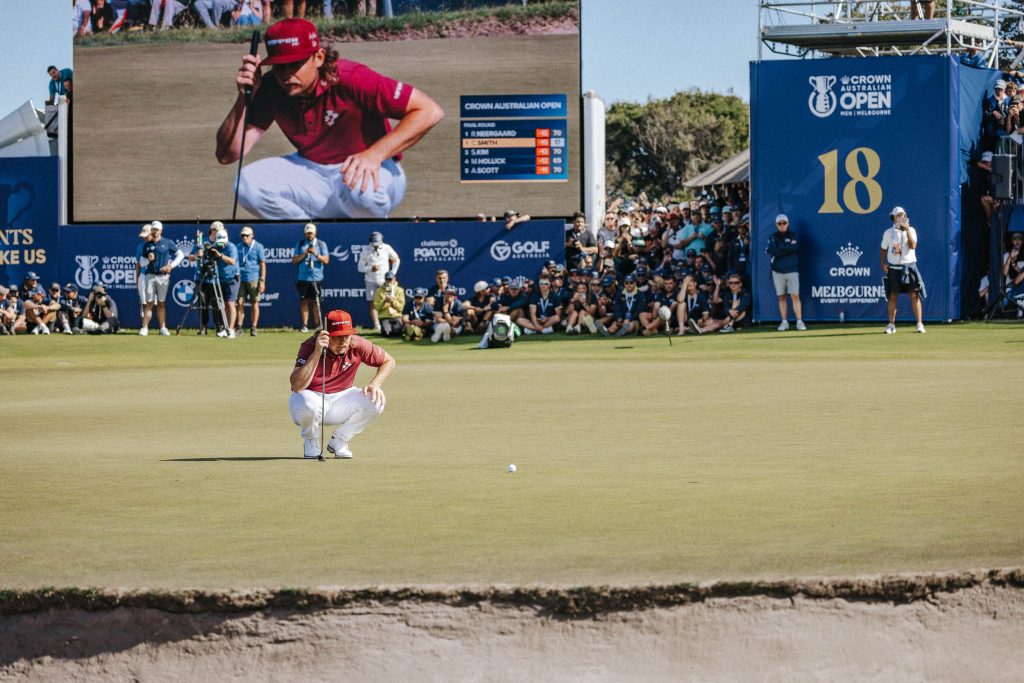
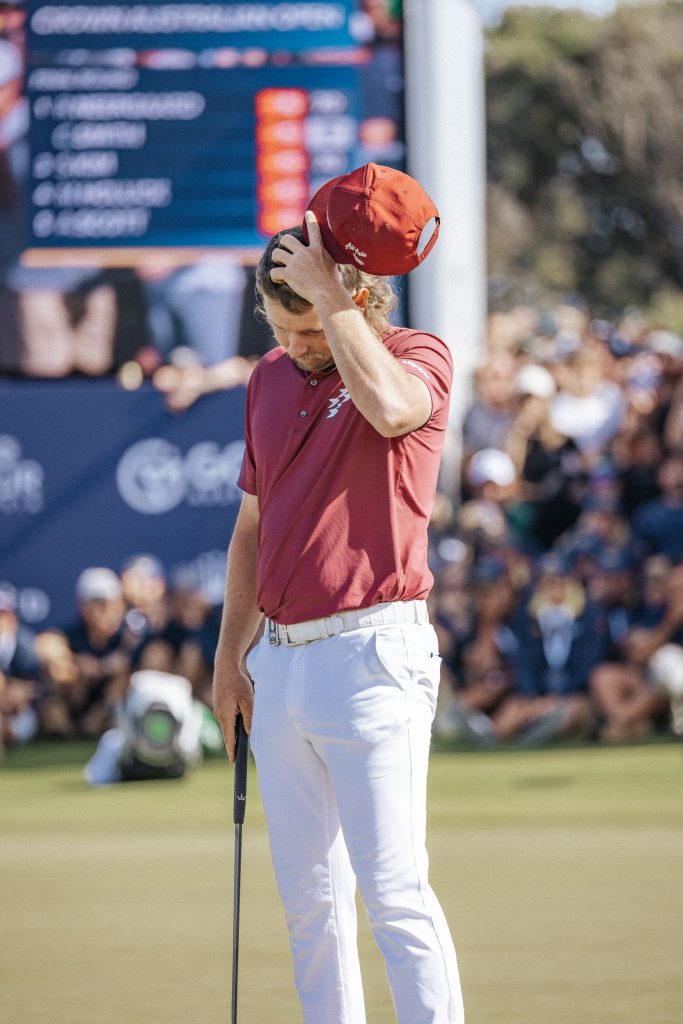
The back nine was extraordinary – enormous crowds and the tension thick. I found my way to the closing holes as Cam Smith and Rasmus Neergaard-Petersen traded blows. The drama on 17 and then 18 was immense — Neergaard-Petersen’s escape from the rough on what the members call Dunk Island — and Smith’s missed putt on 18 that would have forced a playoff. The deflation was instant and collective. Everyone had been riding the wave toward a Cam Smith win, and it simply dissolved.

Rasmus Neergaard-Petersen handled the respectful but definitely pro-Smith vibe of the crowd with grace, and deserved his victory. But walking off the 18th, you could feel the air had gone out of the week.

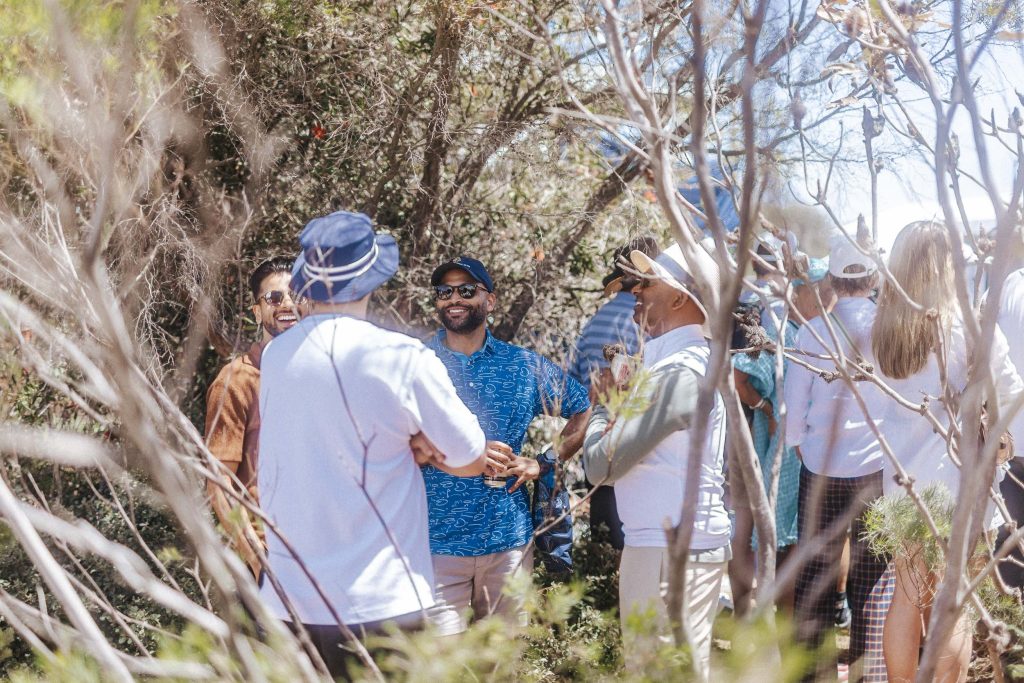
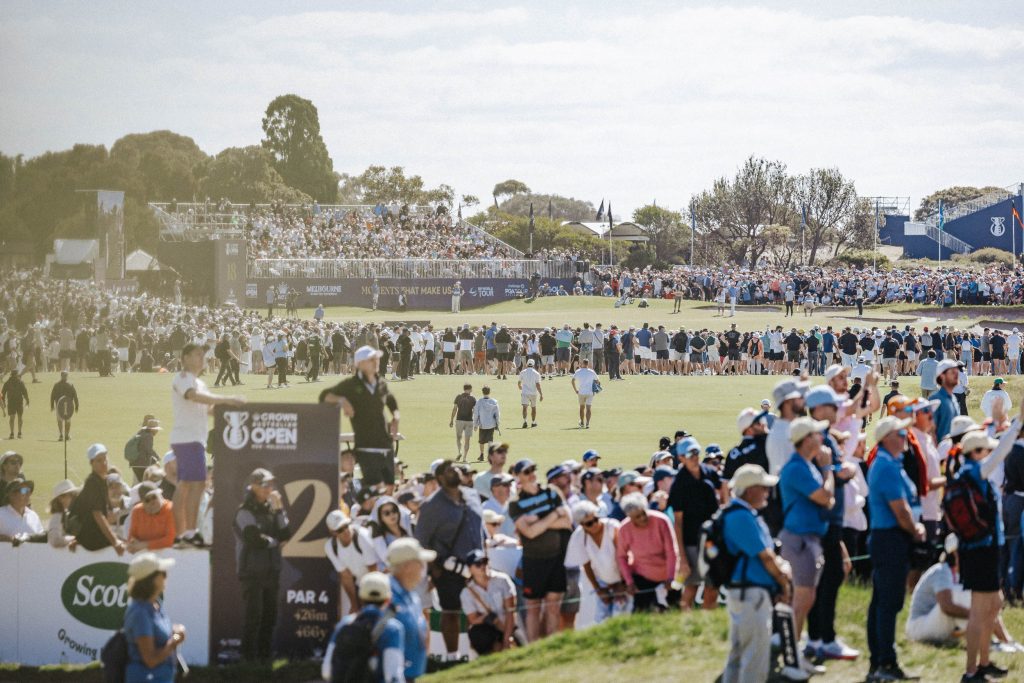
Still, what a week. The most attended golf event in Australian history. A demonstration that if you stage tournament golf at a venue of Royal Melbourne’s calibre, people will come. Especially in Melbourne, a city that understands what it has in its Sandbelt.

I bumped into dozens of people from the golf and creative world across the week, and left with a camera full of images that I hope capture something of what it felt like to be there — inside the ropes, chasing light and moments, and watching history unfold on familiar ground.

The Back Nine on Sunday

Leave a Reply